
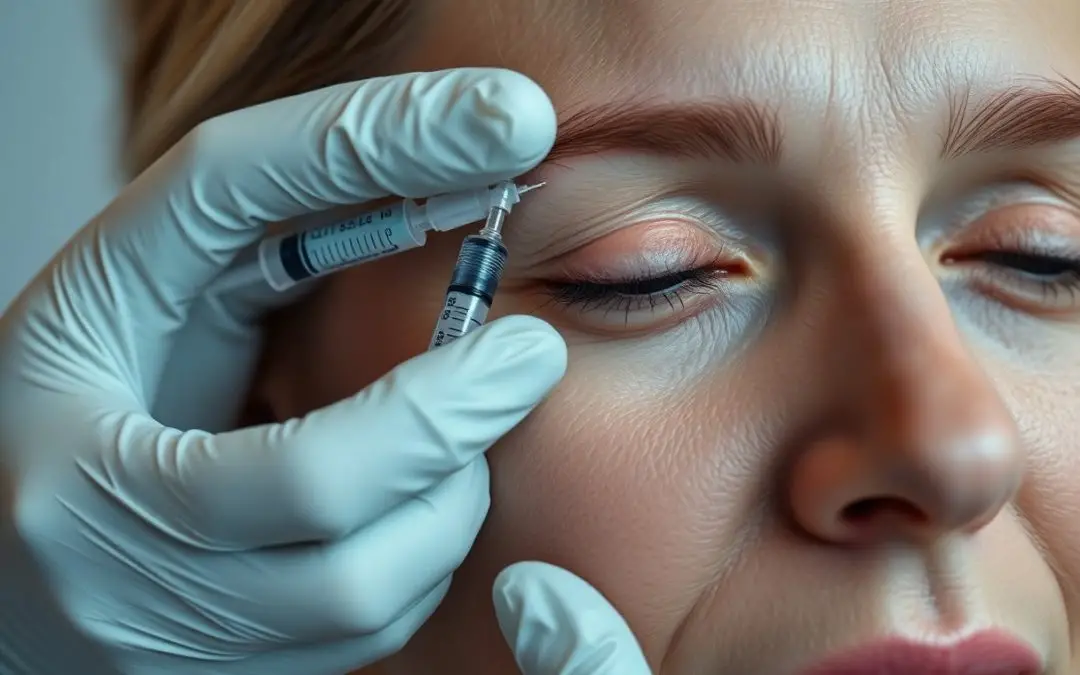
Natural facial harmony guides your use of advanced Botox techniques to soften lines while preserving expression; you apply precise dosing, strategic placement, and anatomy-based assessment to achieve subtle, natural-looking results.
Facial Anatomy and Dynamic Mapping
Mapping your facial muscles lets you target injections precisely to preserve natural movement; you assess muscle depth, orientation and antagonist pairs while watching expression to tailor dose and placement for harmonious results.
Understanding Muscular Interplay and Synergists
Observe how synergists compensate for weakened muscles so you adjust injection points to maintain balanced expressions; mapping movement during animation guides micro-dosing to reduce unwanted spread and preserve natural dynamics.
Identifying Individual Anatomical Variations for Precision
Assess your patient’s muscle thickness, tendon insertions and bone contours so you customize injection depth and units; this reduces asymmetry and achieves subtle, patient-specific outcomes while respecting functional expression.
When you assess anatomical variations, combine static palpation, dynamic animation and ultrasound to map muscle depth, fascial planes and neurovascular paths; note prior surgeries, asymmetries, skin thickness and fat pad distribution so you can adjust unit allocation, needle angle and spacing to minimize diffusion and maintain natural, expressive movement.
Micro-Botox and Intradermal Delivery
Micro-Botox disperses tiny botulinum toxin doses intradermally so you achieve reduced pore size, fine-line softening and less oil without a frozen expression. You should expect multiple microinjections across treated zones with tailored dilution to match skin thickness for natural texture improvement.
Techniques for Improving Skin Texture and Pore Size
Injecting diluted toxin intradermally targets sebaceous activity and smooths irregular epidermal contours; you combine this with superficial placement, multiple tiny boluses, and gentle post-care to refine texture and visibly reduce pore prominence while preserving dynamic movement.
Achieving Subtle Neuromodulation in the T-Zone
T-zone injections require low-volume, superficial placements so you soften glabellar and procerus hyperactivity without altering brow position; you map muscle activity and use microdroplet spacing to maintain natural expression and reduce oil-related shine.
Careful assessment of frontalis-splitting patterns helps you avoid unwanted brow droop; you adjust dose laterally and medially and stagger sessions to observe functional response before expanding treatment.
Precision Upper Face Refinement
You refine forehead, glabella, and lateral brow with precise microinjections that preserve natural movement while smoothing lines, tailoring depth and units to dynamic assessment and patient-specific muscle activity.
The Chemical Brow Lift: Strategic Levator Activation
Targeting levator and depressor interactions lets you achieve a subtle chemical brow lift by reducing depressor pull, allowing the frontalis to raise the lateral brow without creating an overarched appearance.
Softening the Glabellar Complex While Preserving Expression
Balancing injections across corrugators and procerus allows you to soften the glabellar complex while maintaining natural forehead and brow animation with conservative dosing and precise placement.
Technique variations such as microbolus placement, staggered dosing, and lateral sparing enable you to reduce frown rhytids without freezing spontaneous expression, assess frontalis tone before treatment, use smaller units for thin muscle or high expressers, and schedule two-week touch-ups to refine symmetry and dosage.
Lower Face and Jawline Contouring
Contouring the lower face and jawline uses targeted Botox placements to soften angles, reduce masseter bulk, and create a refined profile while preserving natural movement when you speak or chew.
Masseter Hypertrophy Treatment for Facial Slimming
Treating masseter hypertrophy with carefully dosed botulinum toxin reduces jaw width, improves facial proportions, and can relieve bruxism, with injections tailored to your muscle size and functional needs.
The Nefertiti Lift: Platysmal Band Relaxation
Relaxation of platysmal bands via the Nefertiti lift places strategic injections along the mandibular border to lift the lower face, soften neck lines, and enhance jaw definition without invasive procedures.
Technique involves multiple superficial injections along the lower mandibular border and into the upper platysma to soften vertical bands; you’ll see results in 7-14 days, lasting 3-4 months, and proper dosing minimizes dysphagia risk-consult your injector about combined treatments for comprehensive jawline refinement.
Perioral and Mid-Face Enhancements
Targeting the perioral and mid-face, you refine smiles and soften marionette lines with precise microdoses that preserve natural movement while improving symmetry and tone.
Correcting the Gummy Smile and Depressor Anguli Oris
Addressing gummy smiles and Depressor Anguli Oris, you use targeted botulinum injections to lower upper lip elevation and relax the downward pull, creating a balanced, approachable expression.
The Lip Flip: Subtle Eversion Without Dermal Fillers
Opting for a lip flip, you place small, superficial units into the orbicularis oris to gently evert the vermilion border, achieving subtle fullness without fillers.
When performing a lip flip, you place low units (commonly 2-6 total, product-dependent) superficially along the upper vermilion border and adjacent orbicularis oris fibers to relax the muscle and allow gentle eversion of the lip. Expect onset in days, peak at two weeks, and effects lasting 6-12 weeks; monitor for asymmetry or transient weakness and adjust technique at follow-up.
Advanced Safety and Longevity Protocols
You prioritize precise dosing, anatomy-based placement, and staggered treatment intervals to reduce complications and extend effect duration, while using standardized consent, documentation, and emergency plans to protect patients and outcomes.
- Standardize dilution and unit calculations per area
- Map anatomy and mark fixed landmarks before injection
- Use conservative initial dosing with planned touch-ups
- Document outcomes and adverse signs for each visit
Safety vs Longevity Measures
| Safety | Longevity |
|---|---|
| Low-volume boluses, proper depth, emergency protocols | Dose titration, maintenance scheduling, adjunctive topical care |
| Patient screening, anticoagulant review, consent | Microdosing, alternating injection planes, peptide support |
| Upright post-treatment instructions, documentation | Metabolic and lifestyle adjustments, outcome tracking |
Minimizing Diffusion and Preventing Ptosis
Target injections superficially with small volumes per bolus to limit lateral spread; avoid high-volume supraciliary placements and advise patients to remain upright for several hours posttreatment to reduce ptosis risk.
Strategies for Extending Clinical Results
Scheduling maintenance at evidence-based intervals, using microdosing and tailored injection patterns, and advising skin-care and sleep hygiene helps you prolong outcomes while preserving natural motion.
Combining strategic dose titration, alternating injection depths, and adjunctive measures such as low-dose microbotox, topical peptide regimens, and targeted muscle-conditioning sessions helps you extend effect duration; monitor response, adjust intervals for metabolic and activity differences, and document results to refine individualized long-term plans.
Conclusion
Upon reflecting, you should prioritize precise assessment, conservative dosing, and tailored injection patterns to achieve natural-looking Botox results while minimizing complications and preserving expression.