
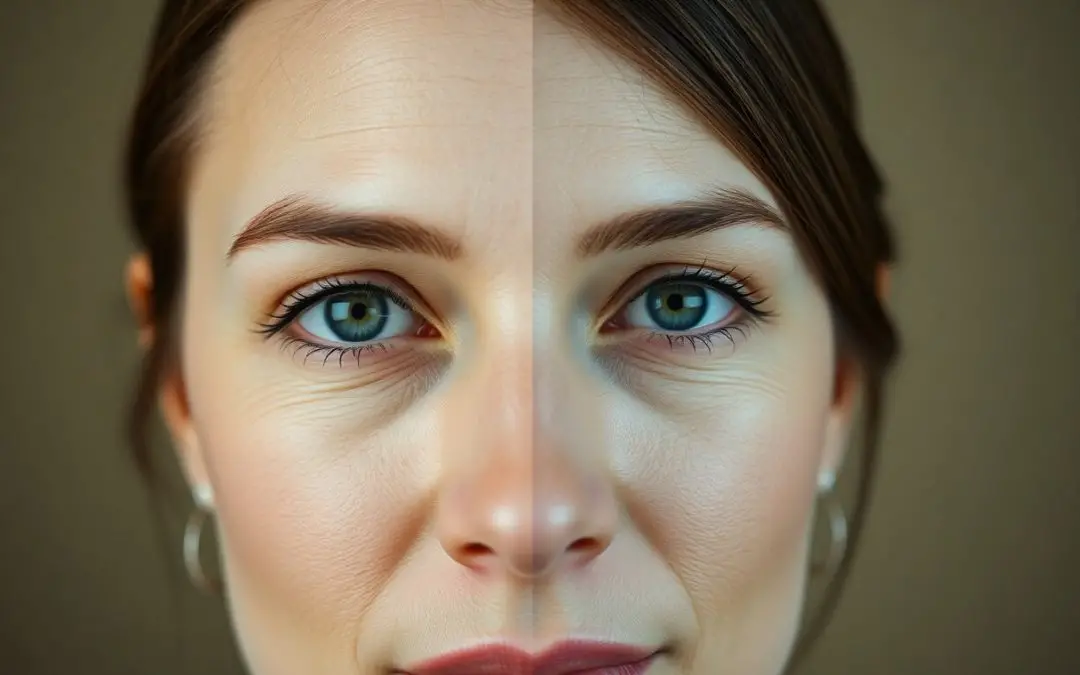
There’s much to consider when contemplating Botox treatments, and understanding what results you can realistically expect is imperative. As you explore this popular cosmetic option, you may wonder how it can enhance your appearance and boost your confidence. In this blog post, we’ll guide you through the typical outcomes of Botox, the factors that influence results, and what you can anticipate both immediately after the procedure and in the long term. By setting realistic expectations, you can make informed decisions tailored to your aesthetic needs.
The Mechanics of Botox: How It Works
Botox, or botulinum toxin, functions by temporarily blocking nerve signals to the muscles, leading to a reduction in muscle contractions. This action helps smooth out wrinkles and fine lines, providing you with a more youthful appearance. The results typically start to appear within a few days and last for three to six months, after which the treatment can be repeated for continued effects. The precision of the injection makes it possible to target specific areas without affecting the surrounding muscles, allowing for a more natural look.
Understanding Muscle Dynamics and Facial Expression
Your facial muscles are constantly at work, creating expressions and conveying emotions. Over time, repetitive movements—like frowning or smiling—can cause wrinkles to form. Botox targets the specific muscles responsible for these contractions, effectively reducing their activity. By relaxing these muscles, you not only soften existing wrinkles but also prevent new ones from developing, allowing your skin to maintain a smoother appearance.
The Role of Neurotransmitters in the Aging Process
Neurotransmitters play a key role in how your facial muscles respond to various stimuli. As you age, the production of neurotransmitters diminishes, affecting muscle control and skin elasticity. This decreased communication between nerves and muscles results in deeper wrinkles and sagging skin. Botox intervenes by blocking the release of acetylcholine, a neurotransmitter that signals muscles to contract, thereby reducing the visible signs of aging.
With each passing year, your body produces fewer neurotransmitters like acetylcholine, leading to less efficient communication between nerves and muscles. As a result, facial expressions may become exaggerated, contributing to the formation of dynamic wrinkles. Botox helps by directly inhibiting this process, interrupting the signal that tells your muscles to contract, thus allowing for a smoother skin surface. This targeted approach not only helps in diminishing existing lines but also plays a preventative role against the further development of aging signs, leading to a more youthful appearance over time. Understanding this biological basis empowers you to make informed decisions regarding your Botox treatments, maximizing the benefits while managing your expectations effectively.

Setting Realistic Goals: What to Expect Post-Treatment
Understanding the outcome of your Botox treatment can greatly affect your satisfaction. Results typically reveal themselves gradually, allowing you to appreciate the transformation over time. You might see some initial smoothing of lines, but optimal effects usually appear within a week or two, providing a fresher, more youthful look. Aiming for subtle changes rather than a complete overhaul can set the right mindset for your journey.
Timeline for Results: Immediate vs. Long-term Changes
Post-treatment effects can vary significantly in how quickly they manifest. Immediately after Botox, you may notice slight redness or swelling at the injection sites, but these usually subside within hours. The true results generally develop over several days, peaking around the two-week mark. Long-term maintenance requires ongoing treatments, typically every three to six months, to sustain desired effects.
Factors Influencing Individual Outcomes: Age, Skin Type, and Treatment Area
Your age, skin type, and the area being treated can all influence how Botox performs. Generally, younger skin, which is more elastic, may respond differently compared to mature skin, which might have deeper wrinkles that require more frequent treatments. Additionally, facial areas such as the forehead and crow’s feet may react with varying levels of success due to their unique muscle dynamics and skin thickness.
- Age can affect skin elasticity and wrinkle depth.
- Your skin type determines how well Botox integrates.
- The treatment area affects the extent and duration of results.
- Perceiving these factors can lead to tailored expectations.
To illustrate further, a 30-year-old with smooth skin may require fewer Botox sessions and achieve quicker results than a 50-year-old with significantly more pronounced lines. Similarly, someone with sensitive skin might experience different reactions compared to someone with thicker, resilient skin. In areas like the lips or brow, you could notice variations in the duration of effects, as these regions tend to show change more dramatically.
- Young, resilient skin often shows quicker, more pronounced results.
- Older skin may demand more regular maintenance treatments.
- Diverse treatment areas complicate uniformity in expected outcomes.
- Perceiving these differences can help you tailor your expectations accordingly.
The Art of Communication: Discussing Expectations with Your Practitioner
Open dialogue with your practitioner is foundational to achieving the results you desire. A successful consultation involves discussing your goals, fears, and preferences candidly. Make sure to articulate what you want to achieve and be receptive to their expertise and insights. Good practitioners will encourage questions and provide clear explanations about the treatment process, potential outcomes, and any concerns. This two-way communication helps to align your expectations with realistic outcomes, minimizing the gap between your desires and what can realistically be achieved.
Crafting Your Desired Look: The Importance of a Tailored Approach
Your aesthetic goals are unique, and a one-size-fits-all approach doesn’t apply to Botox. A tailored strategy is important to enhance your natural features while addressing specific concerns. Collaborate with your practitioner to design a treatment plan that considers your facial structure, muscle movement, and individual preferences. A skilled injector will customize the dosage and placement of Botox to achieve subtle yet effective results that align with your vision.
Red Flags: Recognizing Inadequate Communication
Additionally, any signs of inadequate communication should not be overlooked. Pay attention if your practitioner seems dismissive or fails to invite discussion about your expectations. Red flags also include vague explanations, pressure to proceed without thorough consultation, or avoidance of your questions. Such behaviors may indicate a lack of experience or an unwillingness to ensure you’re fully informed, which can affect your satisfaction with the results.
When you feel rushed or your concerns are brushed off, it’s a cause for caution. Notice if your practitioner struggles to explain the treatment process or avoids addressing potential side effects. An effective exchange involves your practitioner asking clarifying questions to fully understand your goals, as well as offering detailed information on how they plan to achieve them. If you find that the discussion lacks depth or confidence, consider seeking a second opinion to ensure a positive and informed Botox experience.
Navigating Potential Pitfalls: Common Misunderstandings and Mistakes
Understanding the nuances of Botox is key to achieving your desired outcomes and avoiding common misconceptions. Many people mistake Botox for a one-size-fits-all solution, which can lead to disappointment if not approached with care. Some may think that Botox will eliminate all wrinkles or that any procedural discomfort will be unbearable. In reality, results vary between individuals, influenced by factors such as skin type and muscle movement, and the process itself is typically quick and well-tolerated.
Myths vs. Reality: Dissecting Common Misconceptions
Several myths surround Botox, one being that it leads to a permanently frozen appearance. In contrast, when administered properly, Botox creates a naturally refreshed look. Additionally, some believe Botox is only for older adults; however, many individuals in their 20s and 30s use it for preventive measures or to address early signs of aging.
Managing Expectations: The Fine Line Between Enhancement and Overuse
Understanding the difference between looking enhanced versus overdone is imperative. Many beginners may be tempted to opt for higher doses, hoping for dramatically fast results. Yet, subtlety is critical. A well-executed Botox treatment will enhance your features without masking them, providing a youthful yet natural appearance. Overusing Botox can lead to puffiness or an artificial look, which often does more harm than good. Consulting with an experienced practitioner is the best way to determine what level of treatment is appropriate for you.
Real-Life Transformations: What Customers Say Before and After
Personal experiences with Botox can vary widely, showcasing remarkable transformations alongside some disappointments. While some clients express satisfaction with smoother skin and a more youthful appearance, others may share mixed emotions about subtle changes or unexpected side effects. Real-world accounts are invaluable, as they provide insights into what you might realistically expect after your treatment.
Testimonials: Success Stories and Disappointments
Clients often highlight their satisfaction with Botox, emphasizing how it has enhanced their confidence. One individual reported a significant reduction in crow’s feet, making them look more awake in photos. However, others voiced concerns about inconsistent results, with some feeling their expectations were not fully met due to varying degrees of muscle relaxation. These contrasting experiences illustrate the importance of being well-informed before your injections.
Analyzing Visual Progress: Before and After Comparisons
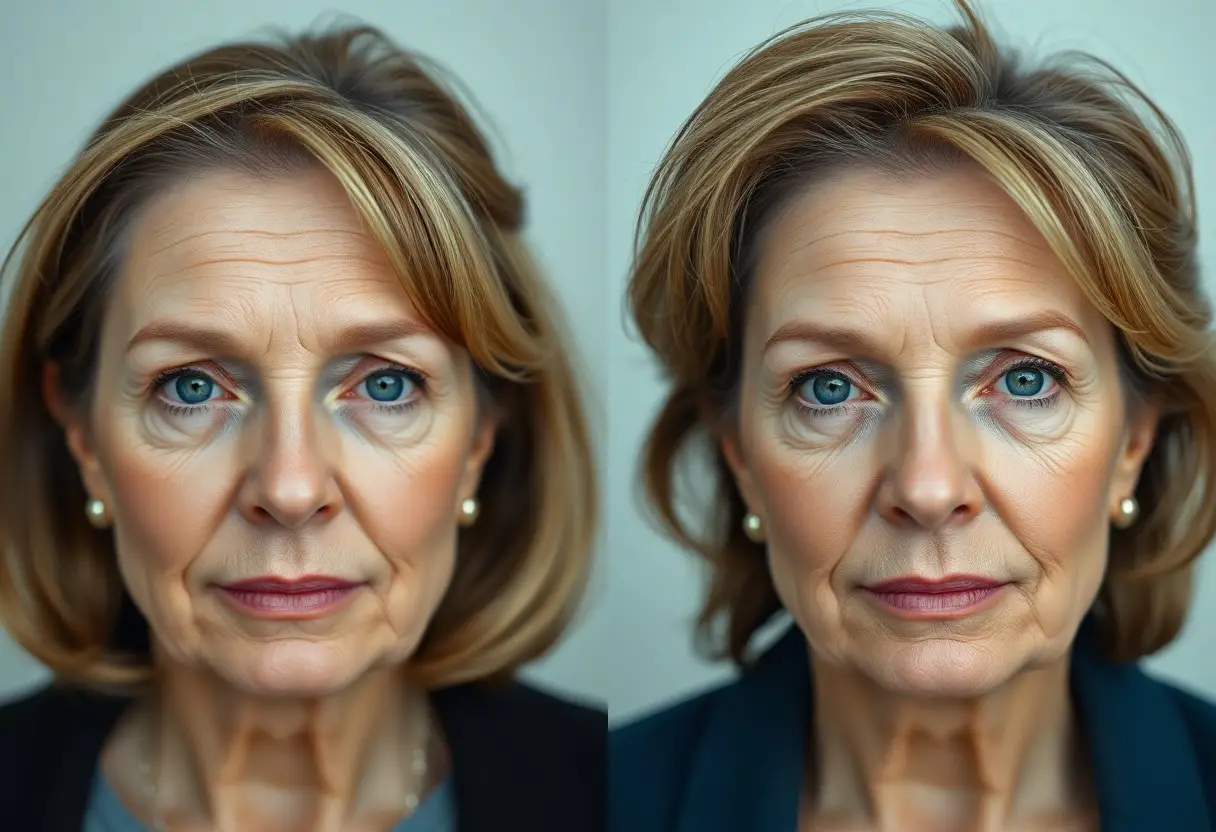
Examining before and after photos can be a powerful tool to gauge the effectiveness of Botox treatments. Many clinics encourage you to look at these visual records to set expectations accurately. Often, transformations captured in images reveal the subtlety of Botox’s results, showcasing smoother skin while highlighting that full effects may take up to two weeks to manifest. This kind of analysis helps clarify what’s achievable for you.
Before and After Comparison Insights
| Aspect | Notes |
|---|---|
| Smoothness | Visible reduction of forehead lines and crow’s feet. |
| Duration | Results usually peak between 1-2 weeks post-treatment. |
| Subtlety | Transformations may seem mild in photos, balancing natural appearance with enhancement. |
| Individual Variation | Results can vary by person depending on muscle strength and treatment area. |
Such comparisons allow you to objectively evaluate expected changes. Most clients notice a fresher look in the before and after images, yet the extent of transformation can differ based on individual factors. Factors like skin type, age, and the specific areas treated can influence your results, emphasizing the need for personalized consultations before making decisions.
Summing up
Presently, understanding what to expect before and after Botox is imperative for achieving your desired results. You should enter the process with realistic expectations, knowing that individual outcomes can vary based on your skin type, age, and treatment area. It’s important to consult with a qualified professional to discuss your goals and concerns, ensuring you have a clear understanding of the potential effects. By doing so, you can feel more confident and satisfied with your decision, enhancing your overall experience.