
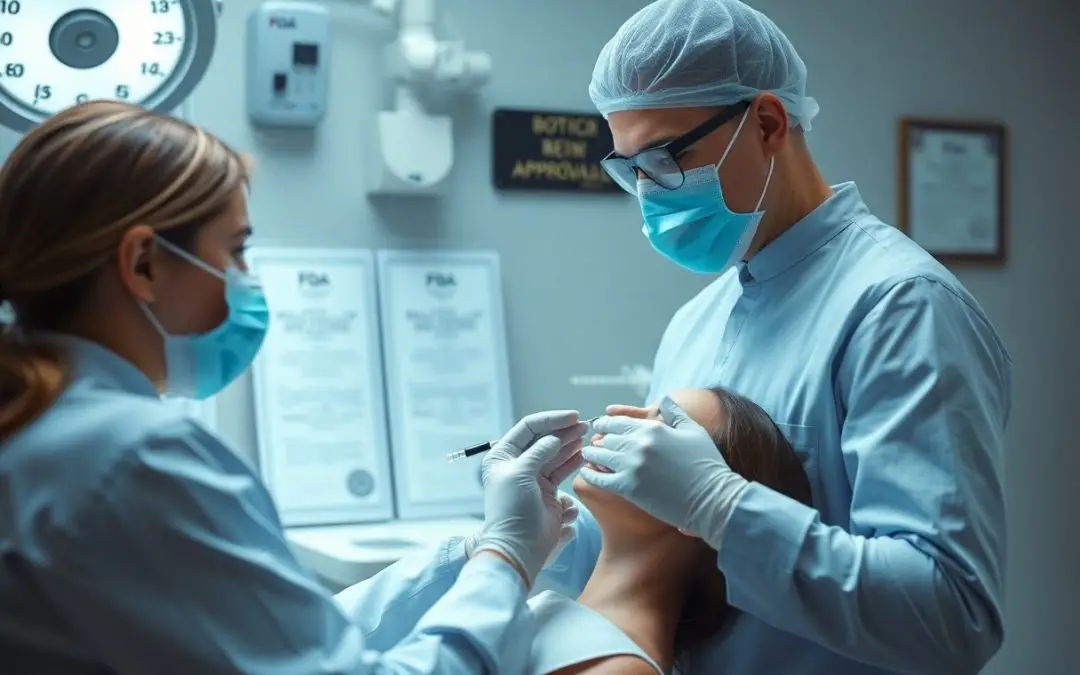
Most people associate Botox with cosmetic enhancements, but it has a range of FDA-approved medical applications that you might not be aware of. In this comprehensive guide, you’ll explore the various ways Botox can improve your health and well-being beyond aesthetic purposes. From chronic migraines to excessive sweating, understanding these uses can help you make informed decisions about your treatment options. Dive in to learn how Botox might benefit you in ways you never expected.
Types of FDA-Approved Medical Applications
For anyone considering the benefits of Botox, it’s important to understand the variety of FDA-approved medical applications. These can be categorized into cosmetic and therapeutic uses:
| Category | Application |
| Cosmetic | Reduce facial wrinkles |
| Cosmetic | Forehead lines |
| Cosmetic | Crow’s feet |
| Therapeutic | Migraine treatment |
| Therapeutic | Excessive sweating |
Recognizing these applications can help you make informed decisions about Botox treatments tailored to your needs.
Cosmetic Uses
Uses of Botox in cosmetic applications primarily focus on reducing the appearance of fine lines and wrinkles. By temporarily paralyzing specific facial muscles, Botox can smooth the skin and give you a more youthful appearance. Areas commonly treated include frown lines, forehead lines, and crow’s feet. This non-invasive procedure offers subtle yet effective results, making it a popular choice for those looking to enhance their natural beauty.
Therapeutic Uses
An understanding of therapeutic uses of Botox can greatly benefit those suffering from various medical conditions. Botox is approved for several conditions, such as chronic migraines, excessive sweating, and muscle spasms. The medication works by blocking nerve signals, helping to alleviate painful symptoms and improve your quality of life.
Another key aspect of therapeutic applications involves treating conditions like overactive bladder and cervical dystonia. These uses highlight the versatility of Botox beyond cosmetic procedures, offering significant relief to individuals dealing with debilitating symptoms. By working closely with your healthcare provider, you can explore the best options for effectively managing your condition through FDA-approved Botox treatments.
Step-by-Step Guide to Receiving Botox Treatment
If you’re considering Botox treatment, understanding the process will help you feel more comfortable. Below is a simple guide outlining the steps involved in receiving Botox:
| Step | Description |
|---|---|
| 1. Initial Consultation | Discuss your goals and medical history with your provider. |
| 2. Treatment Process | Receive Botox injections at the targeted areas. |
| 3. Aftercare | Follow specific guidelines to ensure optimal results. |
Initial Consultation
You will begin with an initial consultation where your provider will assess your needs and discuss your desired outcomes. This is an opportunity to ask questions and express any concerns, ensuring that you feel informed and comfortable before proceeding with the treatment.
Treatment Process
Consultation will lead to the treatment process, which typically involves the application of a topical anesthetic followed by the strategic injection of Botox into the designated areas. This process is relatively quick, often taking just a few minutes depending on the number of areas being treated.
For instance, during the treatment, your provider may mark the areas to be injected and use a very fine needle to minimize discomfort. In most cases, patients experience little to no downtime, allowing you to resume your daily activities shortly after the procedure.
Aftercare
Initial aftercare involves following specific guidelines from your provider to promote healing and achieve the best results. You may be advised to avoid certain activities or products for the first few days post-treatment.
A thorough aftercare routine is vital for maintaining the effects of Botox. Adhering to your provider’s instructions, such as not massaging the treated area and avoiding strenuous exercise, can significantly impact the longevity and effectiveness of your results. Being mindful of these tips will help ensure you achieve a smooth and satisfying outcome.
Factors to Consider Before Getting Botox
Keep in mind several factors before you decide to get Botox. Consider the following:
- Your medical history
- Your expectations and goals
- Potential side effects
- The qualifications of your provider
- Your budget
Perceiving these elements can significantly enhance your Botox experience and results.
Health Considerations
An important aspect to evaluate is your overall health. If you have certain medical conditions, such as neuromuscular disorders, or are currently pregnant or breastfeeding, Botox may not be suitable for you. Always consult with your healthcare provider to ensure it’s safe based on your specific health profile.
Age and Skin Type
With age and skin type being vital factors, they significantly influence your suitability for Botox. Younger individuals may have firmer skin, while age-related skin changes can alter its responsiveness to treatments.
Botox is most effective on dynamic wrinkles, which are more prominent in adults. Individuals with thinner skin or specific skin conditions may experience different results. Thus, understanding your skin’s characteristics and how they interact with Botox can help tailor a treatment plan that meets your unique needs.
Tips for Optimal Results
Many factors contribute to achieving the best results with Botox. To maximize your experience, consider the following tips:
- Choose a qualified injector with experience.
- Discuss your goals and concerns during the consultation.
- Avoid blood thinners a few days before your appointment.
- Follow aftercare instructions provided by your injector.
This will help ensure that you enjoy the full benefits of your treatment.
Choosing a Professional Injector
While selecting a professional injector, verify their credentials and experience with Botox treatments. Look for board-certified dermatologists or plastic surgeons who specialize in injectables. Reading reviews and asking for recommendations can also help you make an informed choice.
Preparing for Your Appointment
Clearly, preparation is important for a smooth Botox appointment. You should plan to avoid certain factors that might interfere with your results.
For instance, it’s advisable to refrain from alcohol consumption and blood-thinning medications like aspirin for at least 24 hours before your session. Additionally, arriving with clean skin free from makeup can facilitate the process. Inform your injector about any medications you are currently taking, and don’t hesitate to ask any questions or express concerns you may have prior to beginning the treatment. This proactive approach can greatly enhance your satisfaction with the results.
Pros and Cons of Botox
To weigh the effectiveness of Botox, consider both its benefits and drawbacks. Understanding these aspects can help you make informed decisions about your treatment options. Here’s a concise comparison:
| Pros | Cons |
|---|---|
| Reduces the appearance of wrinkles | Temporary effects requiring repeat treatments |
| Quick and minimally invasive procedure | Risk of injection site reactions |
| FDA-approved for various medical conditions | Possible headaches following treatment |
| Can treat excessive sweating | Potential for uneven results |
| Beneficial for migraine relief | Requires skilled practitioner to minimize risks |
Advantages of Botox Treatments
If you are seeking a non-invasive method to improve your appearance or address specific medical concerns, Botox treatments offer a range of advantages. These include immediate results, minimal downtime, and a variety of FDA-approved applications, making it a versatile option for both cosmetic and medical procedures.
Potential Risks and Side Effects
For those considering Botox, it is important to be aware of potential risks and side effects. Although generally safe, you may experience temporary discomfort, bruising, or headaches after the procedure. It is important to discuss these factors with your healthcare provider to ensure the best possible outcome.
A thorough understanding of the potential risks and side effects can help you weigh your decision effectively. Common side effects include temporary muscle weakness near the injection site, headaches, and in rare cases, allergic reactions. Consulting with a qualified practitioner is vital to minimize these risks and ensure that Botox is a suitable choice for you. Always address any concerns with your healthcare provider before undergoing treatment.
Frequently Asked Questions
Now, you may have several questions regarding the FDA-approved uses of Botox. Whether you’re curious about its effectiveness for specific medical conditions, potential side effects, or how it compares to other treatments, this section aims to provide you with clear and concise answers. Understanding these aspects will help you make informed decisions about your treatment options and expectations. Don’t hesitate to explore these common inquiries to gain a deeper insight into Botox and its applications in the medical field.
Conclusion
With this in mind, you can appreciate the diverse FDA-approved uses of Botox beyond its cosmetic applications. Understanding its medical applications enables you to make informed decisions about your health and treatment options. Whether you’re considering Botox for chronic migraines, muscle spasms, or other conditions, being well-informed empowers you to consult effectively with your healthcare provider. Knowledge is key in navigating your healthcare journey and maximizing the benefits of FDA-approved treatments.