
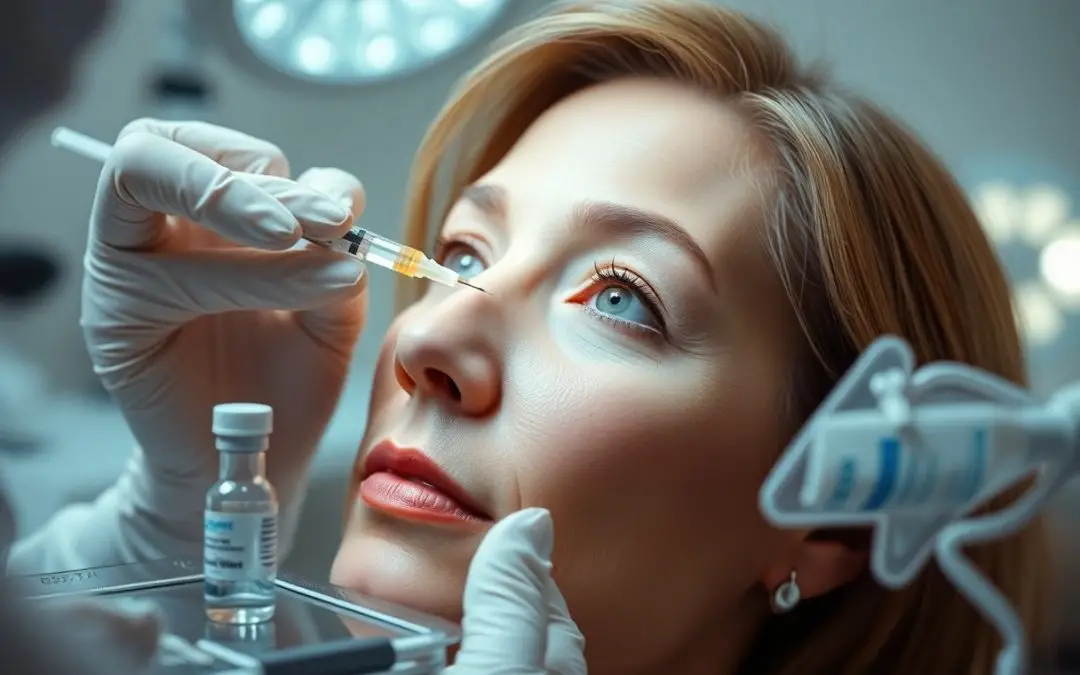
It’s important to choose a licensed clinician and appropriate dosing so you get safe, effective Botox for facial wrinkle reduction; you will see smoother lines with minimal downtime when treatment follows best practices.
The Science of Botulinum Toxin
Understanding the molecular action and clinical use of botulinum toxin helps you assess risks, dosing, and expected wrinkle improvement, supporting informed decisions about treatment.
Mechanism of Neuromuscular Blockade
Nerve terminals release acetylcholine to signal muscles; botulinum toxin blocks this release, so you experience targeted, temporary muscle relaxation that softens dynamic wrinkles.
Comparison of FDA-Approved Neurotoxins
Clinical comparisons show FDA-approved products differ in formulation, onset, and duration, so you choose the option that best matches your treatment goals and scheduling.
FDA-Approved Neurotoxins: Quick Comparison
| OnabotulinumtoxinA (Botox) | Widely used; predictable onset and duration for facial aesthetics |
| AbobotulinumtoxinA (Dysport) | Tends toward faster onset and wider spread per unit |
| IncobotulinumtoxinA (Xeomin) | Highly purified with minimal complexing proteins |
| RimabotulinumtoxinB (Myobloc) | Type B toxin with different clinical uses and diffusion profile |
Detailed product distinctions-unit potency, diffusion, and immunogenicity-affect dosing and retreatment intervals, so you discuss options with your provider to optimize outcomes and reduce side effects.
How Differences Affect Your Treatment
| Onset | Faster onset means you see results sooner |
| Duration | Longer duration reduces treatment frequency |
| Diffusion | Greater spread can treat larger areas but may increase risk of adjacent weakness |
| Immunogenicity | Lower complexing proteins may lower antibody formation risk |
Primary Treatment Areas for Facial Rejuvenation
Clinicians commonly target the forehead, glabella, brows, and periorbital area to reduce dynamic lines, helping you achieve balanced, natural-looking facial rejuvenation with minimal downtime.
Upper Face: Glabellar Lines and Forehead Furrows
Upper facial injections relax corrugator and frontalis muscles so you reduce frown lines and forehead creases while preserving natural expression for everyday interactions.
Periorbital Region: Correcting Crow’s Feet
Periorbital injections soften crow’s feet by targeting the orbicularis oculi muscle so you gain smoother lateral eye lines without compromising eyelid movement.
When you consult, your clinician assesses muscle action, skin laxity, and asymmetry, customizes unit placement and dilution to correct dynamic creases, and outlines onset, temporary side effects, and recommended follow-up for sustained, natural results.
Clinical Assessment and Patient Selection
Assessment of candidacy ensures you meet aesthetic goals and medical suitability, allowing precise dosing, target selection, and realistic outcome planning.
Contraindications and Medical History Review
Review your medical history for neuromuscular disorders, infections, pregnancy, allergy to botulinum toxin, or interfering medications before proceeding.
Analyzing Facial Anatomy and Muscle Strength
Analyze your facial symmetry, muscle mass, and dynamic movement to identify injection sites that balance function and aesthetics.
You should perform both dynamic and static assessments, asking the patient to raise brows, frown, smile, and pucker while palpating muscle bulk and contraction to gauge dosing. Assess asymmetries, prior procedures, and baseline neuromuscular status to plan precise injection points, dilution, and depth that limit diffusion toward eyelids or oral commissures. Coordinate with filler strategies and record mapped sites so you can tailor doses that preserve function while reducing wrinkles.
Precision Injection Techniques
Targeted injections minimize diffusion and optimize results when you map muscle activity and plan entry angles to reduce bruising and asymmetry.
Identifying Key Anatomical Landmarks
Assessing bony prominences, muscle borders, and nerve courses helps you place injections precisely while avoiding functional compromise.
Determining Optimal Dosage and Dilution Ratios
Calculating personalized dose and dilution based on muscle strength, treatment area, and prior response lets you achieve natural-looking reduction without overtreatment.
You should tailor unit counts to muscle mass, gender, and functional goals, start conservatively for initial treatments and adjust at follow-up; select dilution to balance spread and onset, recognizing lower dilution limits diffusion while higher volumes increase spread.
Safety Protocols and Risk Management
Clinicians implement thorough screening, individualized dosing, sterile technique, and emergency readiness so you face minimal risk and predictable outcomes during and after treatment.
Mitigation of Common Side Effects
Proper aftercare reduces bruising, swelling, and mild headache; you should avoid blood thinners, strenuous activity, and follow provider instructions for cold compresses and timing of follow-up.
Addressing Rare Complications and Asymmetry
When asymmetry or unexpected muscle weakness appears, you should contact your injector promptly for assessment, documentation, and targeted corrective measures to restore balanced results.
If you experience persistent eyelid droop, visual changes, severe pain, or prolonged asymmetry, seek urgent clinical review; apraclonidine can lift mild ptosis, targeted touch-up injections can rebalance affected muscles, and immediate referral is required for any visual compromise while you await toxin wear-off over weeks to months.
Post-Procedure Care and Long-Term Maintenance
Aftercare and routine maintenance preserve your results and reduce side effects; follow your provider’s instructions, avoid massaging treated areas, skip intense exercise for 24-48 hours, and protect skin from heat and sun. Book follow-up visits to assess outcomes and adjust dosing.
Immediate Aftercare for Enhanced Efficacy
Avoid touching or rubbing treated sites for 24 hours; use gentle cleansing and cold compresses to control swelling. You should sleep with your head elevated and skip saunas, heavy exercise, and alcohol to support optimal toxin placement and efficacy.
Frequency of Treatment and Cumulative Benefits
Intervals between injections usually run three to four months; staying on schedule helps sustain smoothness and may allow gradual dose reductions with repeated treatments.
Consistent scheduling lets you and your clinician track response patterns, tailor injection sites and units, and gradually decrease dose requirements as muscles relax. You should expect periodic reassessments to refine timing, address lifestyle changes, and document cumulative benefit for safer, more efficient long-term management.
Final Words
Conclusively you should seek a licensed injector, confirm correct dosing and product quality, follow pre/post-care instructions, and report side effects promptly to achieve safe, effective facial wrinkle reduction with Botox.