
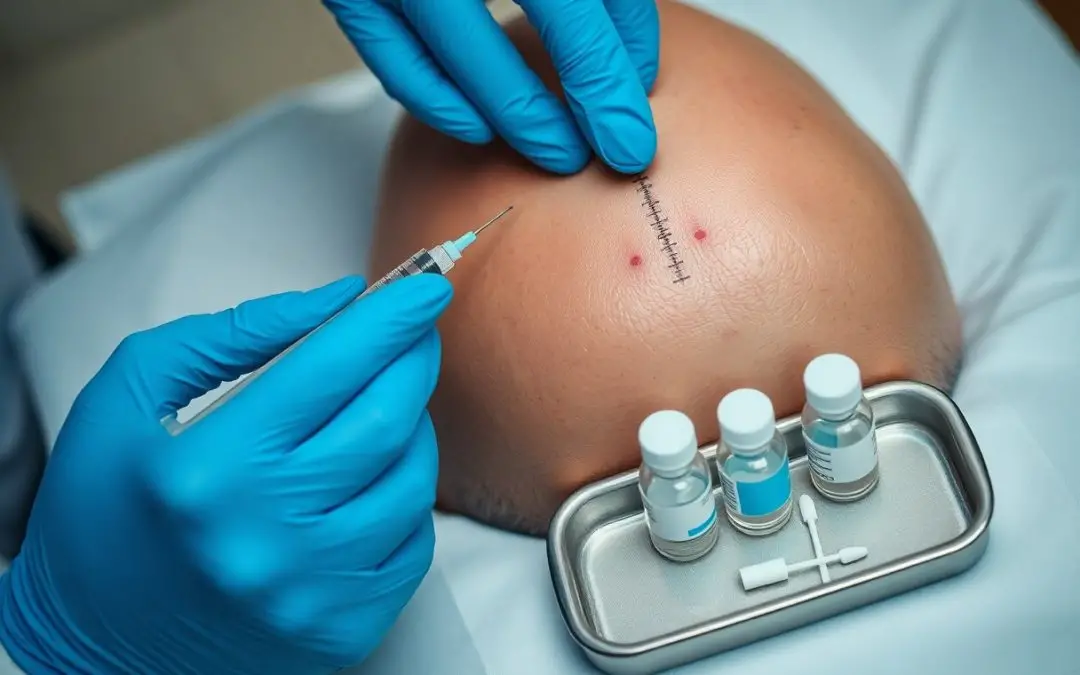
It’s your clinician’s precise assessment and measured injections that produce balanced, natural-looking results; you should expect tailored dosing, careful placement, and preservation of facial movement for symmetrical outcomes.
The Science of Facial Symmetry and Neuromodulators
Symmetry guides how you perceive balance; neuromodulators modulate muscle activity so you can soften asymmetries and preserve natural expressions through targeted injections.
Understanding Facial Anatomy and Muscle Dynamics
Muscle interplay determines how movement and resting tension shape contours, so you need tailored injection patterns that respect each patient’s unique anatomy to maintain expression.
The Role of Botox in Restoring Proportional Balance
Botox selectively reduces overactive muscles, helping you rebalance features and smooth uneven lines without eliminating natural motion when placed precisely.
Precise placement and dose calibration allow you to target hyperactive muscles while preserving antagonists, so facial harmony is restored without stiffness; your injector should assess dynamic movement, asymmetry patterns, and compensatory muscles, then deliver a conservative plan with follow-up tweaks to refine balance and maintain expressive range.
Precision Injection Techniques for Natural Results
Skillful micro-mapping ensures you get subtle, balanced movement while preserving expression, with injections placed to harmonize adjacent muscles and respect natural anatomy.
Micro-dosing and Strategic Product Placement
Careful micro-dosing lets you achieve targeted softening, using minimal units placed precisely to smooth lines without altering surrounding movement.
Avoiding the “Frozen” Look through Targeted Application
Targeted placement encourages natural expression by treating specific hyperactive muscles while leaving others active so you still smile, frown, and animate normally.
Adjusting doses and spacing lets you maintain dynamic facial movement while your injector varies depth and angle and schedules staged touch-ups to fine-tune symmetry, keeping expressions natural over time.
Customizing Treatment Plans to Individual Architecture
Your facial structure guides the injection map, helping you and your clinician prioritize which muscles to target, balance volume, and preserve natural movement while smoothing lines.
Assessing Unique Facial Contours and Asymmetry
You should allow asymmetries to inform placement, increasing or reducing units on one side to create visual harmony without freezing natural expression.
Tailoring Dosage for Dynamic versus Static Lines
Different lines require distinct dosing: you receive lower units for dynamic lines to preserve movement and carefully placed higher units for static lines to soften deep creases.
When assessing dynamic versus static lines, you test muscle activity, mark injection points, and titrate units in one to two unit increments, observing movement; follow-up touch-ups let you fine-tune symmetry without over-relaxing the face.
Advanced Applications for Structural Enhancement
Precision-focused techniques let you refine facial architecture by targeting muscle groups and volume, balancing proportions while preserving natural expression and minimizing downtime.
- Selective muscle modulation for contouring
- Strategic volume redistribution to harmonize profile
- Micro-dose protocols to maintain mobility
Technique vs Benefit
| Technique | Benefit |
|---|---|
| Non-surgical brow lift | Subtle elevation and improved symmetry |
| Perioral refinement | Softened lines and refined vermilion border |
| Jawline contouring / Masseter reduction | Slimmer lower face and reduced clenching |
Non-Surgical Brow Lifting and Perioral Refinement
Targeted micro-injections let you lift the brow subtly and soften perioral lines, creating symmetry without compromising expressive movement.
Jawline Contouring and Masseter Reduction
Sculpting the jawline with selective masseter reduction can slim your lower face and reduce bruxism while preserving mastication strength.
Clinical assessment of muscle bulk, dental occlusion, and facial proportions informs injection points and dosing so you achieve defined jawline results with minimal functional impact; expect visible slimming within weeks and plan maintenance treatments every 4-6 months.
Clinical Standards and Safety Protocols
Clinicians enforce sterile technique, precise dosing, and emergency readiness so you receive accurate injections, documented consent, and standardized monitoring to reduce complications and ensure predictable results.
Pre-Treatment Consultation and Medical History
Your consultation covers medications, bleeding history, and prior aesthetic work so providers can tailor dosing, avoid interactions, and map injections according to your muscle movement.
Post-Procedure Care for Optimal Longevity
Aftercare instructions tell you to avoid touching treated areas, strenuous exercise, alcohol, and blood thinners for 24-48 hours while watching for increased swelling, asymmetry, or severe pain.
Maintain scheduled follow-ups so your provider can assess onset, correct minor asymmetry, and adjust future dosing; protect treated skin from intense heat and UV, delay certain anti-inflammatory medications only as advised, apply gentle cold for swelling, and contact the clinic immediately for worsening pain, spreading redness, or any visual disturbances.
Managing Expectations and Long-Term Maintenance
Managing your expectations means planning realistic goals with your injector, tracking outcomes, and accepting that subtle adjustments over time will preserve natural balance while preventing overtreatment.
The Importance of Cumulative Aesthetic Results
Cumulative muscle changes become apparent after repeat sessions, so you should assess progress over months and prioritize gradual, measured dosing to achieve harmonized long-term results.
Establishing a Sustainable Preventative Care Schedule
Establishing a maintenance timetable helps you reduce wrinkle progression; typical intervals range from three to six months, adjusted to your response and aesthetic goals.
Consistent follow-up appointments let you and your provider fine-tune dose, injection sites, and timing based on functional changes and photographic records. Plan an initial review at two weeks, then reassess at three months. Adjust intervals or adopt micro-dosing if muscle activity returns sooner, and combine targeted skincare and sun protection to prolong outcomes.
Final Words
Now you should seek Botox treatments that prioritize precise dosing and balanced placement to achieve natural results, reduce risk, and maintain facial expressiveness while addressing targeted concerns; choose a qualified injector who assesses anatomy and tailors treatment to your goals.