
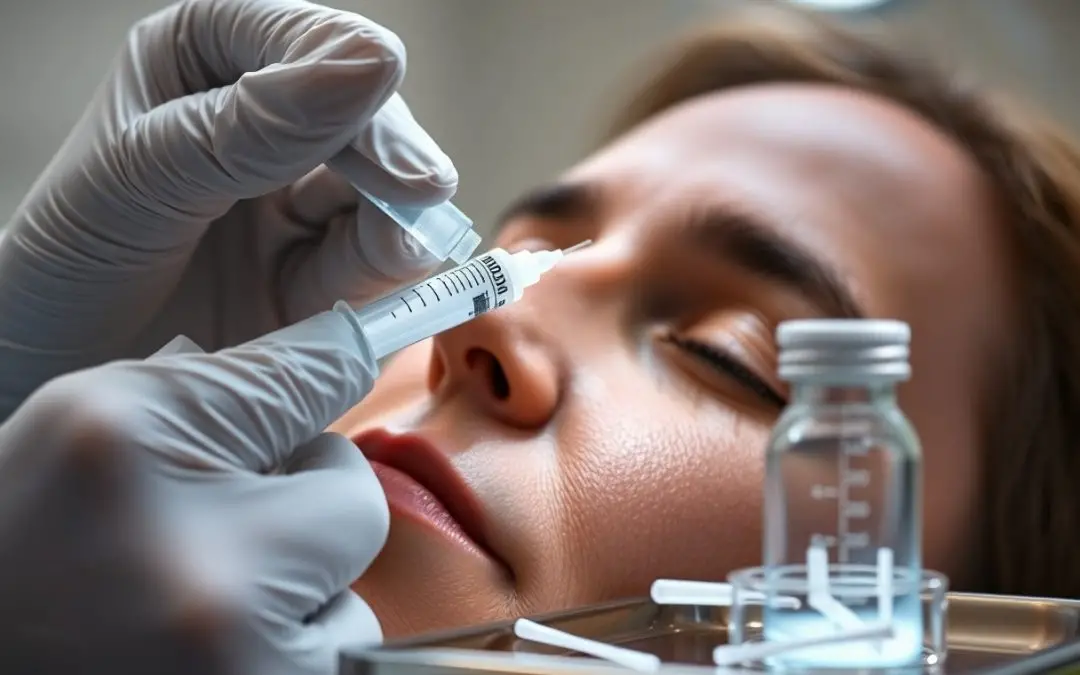
Facial Botox injections precisely relax muscles to reduce lines, and you can expect targeted, short procedures with measurable smoothing and minimal downtime when performed by experienced clinicians.
Understanding Botulinum Toxin Type A
You should understand that Botulinum toxin type A blocks acetylcholine release at neuromuscular junctions, temporarily relaxing targeted facial muscles to reduce expression lines with predictable duration and safety when administered by trained clinicians.
The Science of Neuromodulators
When you consider neuromodulators, you focus on how small, targeted doses alter nerve-to-muscle signaling to soften dynamic lines while preserving natural movement and expression.
Mechanism of Action on Dynamic Wrinkles
Muscle contractions create dynamic wrinkles; you reduce them by blocking neurotransmitter release, which weakens overactive muscle fibers and smooths creases during expression.
Clinically, you will note onset in three to seven days with peak effect by two weeks, dose-dependent weakening of targeted muscles, and reversible nerve terminal recovery over three to four months; tailoring injection sites and units lets you balance smoothing with preserved facial animation.
Primary Treatment Areas for Facial Rejuvenation
You will find treatments focus on the glabella, forehead, brow, crow’s feet and perioral lines, targeting movement-based creases to restore a smoother, natural-looking profile without frozen expression.
Addressing Glabellar Frown Lines and Forehead Furrows
Treating glabellar frown lines and forehead furrows involves precise dosing to relax corrugator and frontalis muscles so you soften vertical and horizontal creases while preserving expressive motion.
Smoothing Periorbital Crow’s Feet and Lateral Canthal Lines
Reducing periorbital crow’s feet and lateral canthal lines requires delicate injections around the orbital rim so you retain natural smiling patterns while smoothing fine radiating lines.
Precise mapping of the orbicularis oculi, assessment of asymmetry, and conservative dosing reduce the risk of ptosis and preserve eyelid closure; your provider will adjust units and injection depth to match your facial dynamics and desired outcome.
The Clinical Consultation and Facial Mapping
During the clinical consultation, you receive a targeted facial map that highlights dynamic lines and asymmetries, guiding precise dosing and entry points to balance function and aesthetics.
Analyzing Muscular Anatomy and Skin Elasticity
Assessing muscle patterns and skin elasticity, you and your clinician identify which contractions drive wrinkles and which areas tolerate toxin, informing injection depth and unit allocation for natural movement.
Developing a Customized Injection Strategy
Tailoring the plan, you get a step-by-step injection map that specifies dose per site, needle angle, and safety zones to protect function while smoothing lines.
You and your injector consider muscle bulk, neuromuscular junction location, prior response to treatments, and asymmetries to set unit counts, dilution, and spacing; micro-dosing and staggered placement preserve spontaneous expression while targeting hyperdynamic zones, with scheduled follow-ups to refine outcomes based on your feedback and functional testing.
Precision Injection Techniques for Natural Results
Technique-focused micro-mapping lets you place small, precise doses to soften lines while preserving natural expression and movement.
Micro-droplet Administration and Dosage Accuracy
Micro-droplet administration gives you fine control over dosage, minimizing diffusion and producing uniform softening with predictable, repeatable outcomes.
Avoiding the “Frozen” Look through Strategic Placement
Strategic placement keeps you expressive by targeting specific motor points and avoiding blanket injections that freeze the face.
Assessing facial dynamics, you map individual muscle strength and movement patterns to determine minimal effective doses for each injection site; you prioritize preserving levator function, stagger injection depth and spacing, and plan follow-up tweaks so natural animation remains intact while lines are softened.
Safety Protocols and Minimizing Side Effects
Identifying Contraindications and Risk Factors
Review your medical history and medications to flag bleeding disorders, neuromuscular disease, pregnancy, or active infection that contraindicate Botox. After assessment, you and your clinician will identify safer options or postpone treatment.
- Pregnancy or breastfeeding
- Neuromuscular disorders (e.g., myasthenia gravis)
- Active skin infection at injection sites
- Use of anticoagulants or bleeding disorders
- Allergy to botulinum toxin components
Managing Common Injection Site Reactions
Expect mild swelling, bruising, redness, or tenderness at injection sites that usually resolves within days; you should apply cold packs, avoid NSAIDs before treatment when advised, and follow aftercare to reduce symptoms.
If you notice persistent pain, expanding bruising, fever, or unusual color changes, contact your provider immediately. You should apply ice intermittently, avoid massaging or heating the area, and keep the treated region elevated when possible. For severe symptoms such as vision changes or signs of vascular compromise, obtain urgent assessment to protect tissue and function. Document reactions and attend scheduled follow-up so your clinician can adjust future care.
Post-Treatment Care and Result Longevity
Aftercare ensures you preserve results: avoid strenuous exercise and facial pressure for 24-48 hours, sleep upright, and protect treated areas from heat and sun. Follow your injector’s post-care instructions to support even diffusion and comfort.
Essential Aftercare for Optimal Diffusion
Avoid rubbing or lying on treated areas and skip saunas; you should pause blood-thinning supplements around treatment to help the product settle evenly and reduce bruising.
Maintenance Schedules for Sustained Smoothness
Plan follow-up treatments every 3-4 months initially, then extend to 4-6 months as you find the ideal timing; you and your injector will adjust intervals based on muscle response and desired longevity.
Typically, early treatments every three months let you and your injector assess response and fine-tune dosing; over time you may lengthen intervals as muscles adapt. Keep a simple diary noting when lines reappear, report changes in activity or medications, and consider conservative touch-ups to maintain natural movement without over-treating.
Summing up
As a reminder, you should select a licensed, experienced injector for Botox to reduce facial lines safely and achieve natural-looking results. Follow aftercare, disclose medical history, and schedule follow-ups to maintain results and minimize risks.