
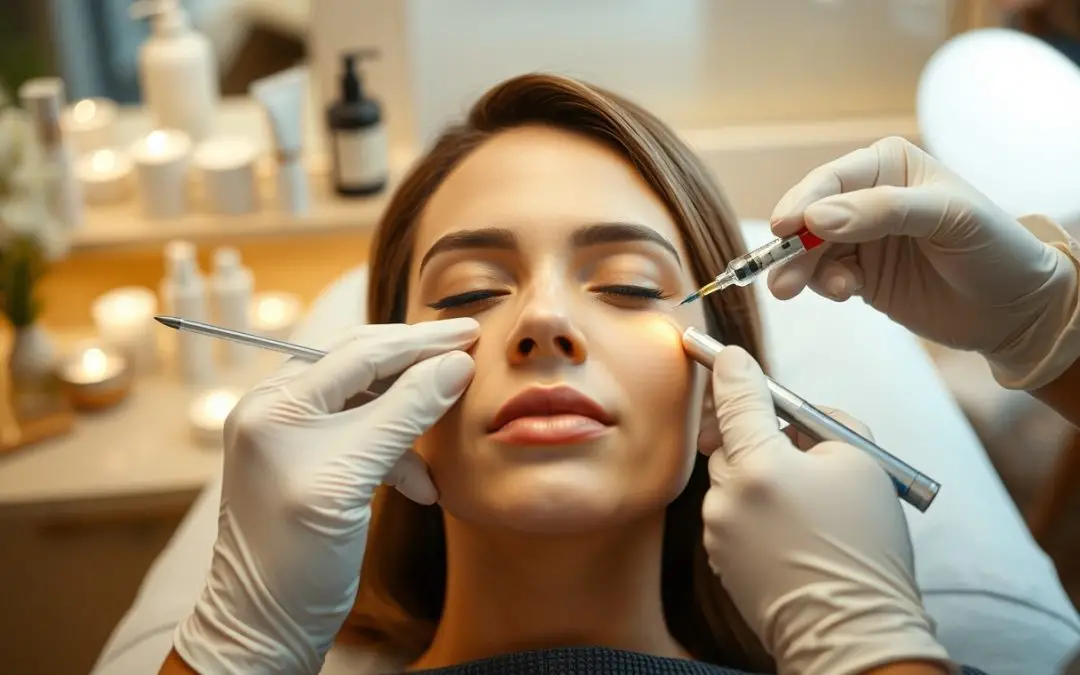
Many people seek cosmetic treatments like BOTOX to enhance their appearance and reduce the signs of aging. If you’re considering this popular procedure, it’s important to understand how long the effects will last. Generally, BOTOX results can be expected to last between three to six months, depending on various factors such as dosage, treatment area, and your body’s individual response. In this post, we will explore the factors that influence the longevity of BOTOX results and provide tips on how to maintain your youthful look for as long as possible.
Understanding BOTOX
What is BOTOX?
BOTOX, an abbreviation for botulinum toxin, is a neurotoxic protein produced by the bacterium Clostridium botulinum. Although it is known primarily for its cosmetic applications, BOTOX has a range of therapeutic uses as well. Its ability to temporarily paralyze muscles is what makes it popular in the aesthetics industry, where it is commonly used to reduce the appearance of fine lines and wrinkles on the face. This safe, minimally invasive procedure allows you to achieve a more youthful appearance without the need for surgery.
In essence, BOTOX works by blocking the signals that nerve cells send to muscles. As a result, the affected muscles relax, leading to a smoother and more refreshed look. While its cosmetic benefits are widely recognized, BOTOX is also utilized in treating various medical conditions, such as chronic migraines, excessive sweating, and even certain types of muscle spasms. Understanding the full spectrum of BOTOX’s applications helps you appreciate its versatility as a treatment option.
How BOTOX Works
Any time you inject BOTOX into specific facial muscles, it effectively inhibits the release of acetylcholine—a neurotransmitter responsible for signals that lead muscles to contract. By preventing these contractions, BOTOX allows the skin above the injected area to remain smooth and unwrinkled. This action is often described as “freezing” the muscle temporarily, which results in diminished muscle activity and a decrease in the formation of wrinkles over time.
Understanding the mechanics of BOTOX can illuminate why its effects are not permanent. As the nerve endings gradually regenerate and the effects of BOTOX wear off, muscle activity slowly returns to normal, thereby reintroducing the lines and wrinkles that were initially treated. Typically, the effects of BOTOX last between three to six months, although this can vary based on factors such as dosage, individual metabolism, and the specific area being treated.
Common Uses of BOTOX
Understanding the common uses of BOTOX allows you to see why it has become such a popular option for a variety of needs. Besides its aesthetic applications, BOTOX is regularly employed in medical procedures. Cosmetic treatments commonly target forehead lines, crow’s feet, and frown lines between the eyebrows. On the medical side, BOTOX is used to address conditions such as chronic migraines, bruxism (teeth grinding), and hyperhidrosis (excessive sweating), improving your quality of life in these areas.
To fully grasp the significance of BOTOX, it’s important to note that it has FDA approval for several uses, emphasizing its safety and effectiveness when administered correctly. This versatility in application is what makes BOTOX a sought-after option for both cosmetic enhancements and serious medical conditions. If you are considering BOTOX, consulting with a qualified professional will help you understand how it can benefit you personally, depending on your specific needs.
Duration of BOTOX Effects
You may be curious about how long the effects of BOTOX last. Understanding the duration of your results can help you plan your treatments and expectations accordingly. The longevity of BOTOX results can vary based on several factors, which we’ll explore in detail.
Factors Influencing Longevity
Factors that can influence the longevity of your BOTOX results include your age, skin type, the area being treated, and your body’s metabolism. Additionally, the skill of the practitioner administering the injection plays a significant role. Regular usage of BOTOX may also alter its duration over time, as your body can develop a tolerance to the treatment.
- Metabolic rate
- Frequency of BOTOX treatments
- Injection location
- Dosage
- Your lifestyle, including diet and exercise
After considering these factors, you can better understand how they might affect your expected results and plan future treatments accordingly.
Average Duration of Results
Duration of BOTOX effects typically lasts between three to six months, depending on individual circumstances. Most people find that their muscle activity begins to gradually return as they approach the three-month mark. Regular maintenance treatments can help maintain your desired look, allowing you to enjoy the benefits of BOTOX longer.
For instance, some individuals may find that they require touch-ups closer to the three-month mark, while others may notice that they can go up to six months before needing another treatment. This variability often depends on how your body metabolizes the botulinum toxin and your specific treatment plan.
Variation Across Different Patients
With every treatment, it’s important to acknowledge that individual responses to BOTOX may differ significantly. Factors such as genetics, muscle strength, and lifestyle choices all contribute to how long the effects will last for you. Additionally, different treatment areas may respond differently, with some areas lasting longer than others.
Patients often report varying experiences with BOTOX, indicating that while some may enjoy the effects for a longer duration, others might need more frequent treatments. By discussing your specific goals and expectations with your practitioner, you can tailor your approach to achieve the optimal results for your unique body chemistry and aesthetics.
Maintenance of BOTOX Effects
To ensure the longevity and effectiveness of your BOTOX treatments, proper maintenance is vital. Regular follow-ups and touch-ups will help preserve the smooth, youthful appearance that BOTOX provides. One of the best practices for maintaining your results is to adhere to a consistent treatment schedule. Ideally, you should plan follow-up appointments according to your aesthetic goals and the recommendation of your qualified injector. This will help maximize the benefits of the treatment and keep your skin looking its best over time.
Recommended Treatment Intervals
Any BOTOX treatment should generally be reapplied every three to six months, depending on individual factors such as your body’s metabolism, the strength of the injected solution, and the area treated. For most people, the initial effects of BOTOX will start to fade within three months. However, some individuals may find that they can go longer between treatments, while others may need to return more frequently. Your injector can help you determine the best interval based on your unique needs.
Signs that BOTOX is Wearing Off
On occasion, you may notice that the effects of your BOTOX treatment are beginning to diminish. Common signs that BOTOX is wearing off include the gradual return of fine lines and wrinkles, increased facial movement, and a less smooth appearance. Being attentive to these changes can help you stay proactive about scheduling your next treatment to maintain your results.
It’s important to recognize that everyone’s body metabolizes BOTOX at different rates. Some people might notice the effects wearing off sooner, which can be influenced by factors such as lifestyle choices, age, and skin condition. Keeping track of how long the results last for you personally can provide valuable insight and help you make informed decisions regarding future appointments.
Role of Touch-Up Treatments
For those looking to maintain a consistently youthful look, touch-up treatments can be an effective way to prolong the effects of BOTOX. Scheduled after the initial treatment, touch-ups usually involve administering a smaller dose of the product to areas where the effects have started to fade. This can help ensure that your appearance remains smooth and balanced without any significant downtime.
Effects of touch-up treatments can often be noticeable almost immediately, as they work to refresh the areas that may be showing signs of aging. Incorporating these maintenance sessions into your beauty routine can contribute to a longer-lasting youthful glow and keep your skin looking its best throughout the year.
Comparing BOTOX to Other Treatments
Many individuals are curious about how BOTOX stacks up against other cosmetic treatments available today. Understanding the differences can help you determine which option best suits your aesthetic goals. For a deeper insight into the specifics of BOTOX, you might find the article on How Long Does BOTOX® Take to Work? especially helpful.
Comparison of BOTOX and Other Cosmetic Procedures
| Treatment | Key Differences |
|---|---|
| BOTOX | Temporary paralysis of muscles to reduce wrinkles; lasts 3-6 months. |
| Dermal Fillers | Add volume to areas, such as lips and cheeks; effects can last from 6 months to 2 years depending on the type. |
| Microdermabrasion | Exfoliates the outer layer of skin to improve texture; effects are temporary, often needing multiple sessions. |
| Chemical Peels | Improves skin texture and tone by removing dead skin; results can last several weeks to months depending on the depth of the peel. |
BOTOX vs. Dermal Fillers
On the surface, BOTOX and dermal fillers may seem similar, but they serve different purposes. BOTOX is primarily designed to relax specific facial muscles that cause wrinkles, while dermal fillers work to add volume and enhance facial contours. If you’re focused on eliminating dynamic wrinkles, like crow’s feet or frown lines, BOTOX might be your best bet. In contrast, if you’re looking to plump up your lips or fill in hollow cheeks, dermal fillers would be more appropriate.
Moreover, the longevity of results complements this distinction. BOTOX typically lasts between 3 to 6 months, requiring regular touch-ups for maintenance. In contrast, dermal fillers can last anywhere from 6 months to 2 years based on the product used and the area treated. This requires you to think about how frequently you’re willing to invest in treatments.
BOTOX vs. Microdermabrasion
The comparison between BOTOX and microdermabrasion reveals fundamental differences in their approaches to skin rejuvenation. BOTOX targets specific muscle groups to relax and smooth wrinkles, while microdermabrasion is a non-invasive method that exfoliates the skin, removing dead skin cells and improving overall texture. If you want to address fine lines caused by muscle movements, BOTOX is the ideal choice. On the other hand, if your primary concern is skin texture and tone, microdermabrasion may be the path you wish to explore.
For instance, if you’re eager to see immediate results in wrinkle reduction, BOTOX can take effect within days, while microdermabrasion provides a gradual improvement in skin quality over several sessions. The divergence in treatment frequency and expected outcomes makes it critical to align your choice with your specific skincare goals.
BOTOX vs. Chemical Peels
Microdermabrasion and chemical peels are both exfoliation methods that enhance skin appearance, yet they operate on different levels. Chemical peels use a solution to deeply exfoliate and rejuvenate the skin, addressing issues like hyperpigmentation and uneven texture. In contrast, BOTOX focuses solely on muscle relaxation, reducing wrinkle formation rather than improving skin texture.
Plus, while BOTOX offers temporary results for muscle-related wrinkles, the advantages of chemical peels can extend beyond surface-level improvements. Depending on the peel’s depth, the results can last for weeks or even months, making chemical peels a suitable option for those looking to transform their skin’s appearance holistically.
Safety and Side Effects
Now that you’re considering BOTOX, it’s vital to stay informed about its safety and potential side effects. BOTOX is generally regarded as a safe procedure when performed by a qualified practitioner. However, it’s crucial to prepare yourself by understanding the possible effects that may arise. For instance, you can check out 7 Facts I Wish I Had Known Before Getting Botox, which provides valuable insights that every first-timer should know.
Common Side Effects
For many people, the common side effects of BOTOX are relatively mild and can include bruising, swelling, or redness at the injection site. Some individuals may also experience headaches or a feeling of tightness in the treated areas. These effects typically resolve within a few days, and most individuals can return to their regular activities almost immediately following the procedure.
Additionally, some users report mild flu-like symptoms or a temporary drooping of the eyelid, which can be concerning. However, it is vital to remember that these symptoms are often temporary and subside as your body adjusts. Properly understanding these common side effects can help you manage your expectations and feel more confident about your decision.
Rare but Serious Complications
On the other hand, while rare, BOTOX can lead to serious complications that you should take into account. Some individuals may experience an allergic reaction, which could manifest as difficulty breathing, swelling in the face, or rash. Should any of these symptoms occur, it’s crucial to seek immediate medical attention. Another serious complication involves the diffusion of the toxin beyond the injection site, potentially affecting other muscles and causing unintended strength or mobility issues.
Rare complications may also include symptoms like vision problems or trouble swallowing, which are more serious indicators that might need urgent evaluation. It’s important to discuss any pre-existing health conditions with your provider to help minimize the risk of complications.
How to Minimize Risks
Minimize your risks by choosing a certified and experienced injector to perform BOTOX. Research their qualifications, as a trained professional will have a better understanding of facial anatomy and will apply the injections with the utmost care. Additionally, follow all pre- and post-treatment instructions provided by your practitioner to ensure optimal results and minimize potential side effects.
The aftercare routine is just as vital as the procedure itself. You should avoid strenuous activities, excessive heat, or massaging the treated area for a short period following your treatment. Following these guidelines can help reduce the chance of complications and ensure your experience is as safe and effective as possible.
Who Should Consider BOTOX?
Keep in mind that BOTOX is a popular cosmetic treatment designed to reduce the appearance of fine lines and wrinkles, but it’s not for everyone. Before deciding if BOTOX is right for you, consider your objectives and expectations regarding the treatment. You should be in good health, have realistic expectations, and want to enhance your natural beauty. If you’re curious about how long BOTOX lasts and its effects, you can read more about it in this informative article on Botox®: How Long Does it Last? | Boston and Wellesley Hills.
Ideal Candidates
Candidates for BOTOX typically include adults aged 18 and older who wish to minimize the appearance of dynamic wrinkles, such as crow’s feet, frown lines, and forehead creases. If you tend to form noticeable lines when expressing emotions or if you are looking to maintain a youthful appearance, BOTOX may be a suitable choice for you. Additionally, many individuals seek BOTOX as a preventive measure to delay the onset of wrinkles.
It’s crucial to have clear goals about what you want to achieve through the treatment. BOTOX works best for individuals with mild to moderate wrinkles who are not experiencing deep-set lines. If you desire a smoother complexion and a more vibrant look, you might find BOTOX to be an effective solution in your skincare regimen.
Contraindications and Cautions
On the other hand, certain individuals should approach BOTOX with caution or may be advised against using it altogether. If you have an active infection at the injection site, or a neuromuscular disorder, such as myasthenia gravis or Lambert-Eaton syndrome, BOTOX may not be suitable for you. Additionally, pregnant or breastfeeding women are generally advised to avoid this treatment until they are no longer within those conditions.
The use of BOTOX is not recommended for individuals who have previously experienced adverse reactions to the product, or for those allergic to any of its components. Always discuss your medical history and any current medications with your healthcare provider to ensure BOTOX is safe for you.
Consultation with a Specialist
On your journey to deciding if BOTOX is right for you, it’s crucial to have a thorough consultation with a qualified specialist. This meeting will allow you to discuss your concerns, aesthetic goals, and any medical considerations. Your practitioner can make informed recommendations and tailor a treatment plan that is specific to your needs.
This comprehensive consultation should also provide you with an opportunity to ask any questions you may have about the procedure, potential side effects, and post-treatment care. Building a collaborative relationship with your specialist helps ensure that you are fully informed and comfortable moving forward with BOTOX. Make sure to express your expectations and any anxiety you may feel, as this will lead to a better overall experience.
Summing Up
With this in mind, understanding the longevity of BOTOX effects is crucial for managing your expectations and planning your cosmetic treatments. Typically, BOTOX lasts about three to six months, depending on factors such as your individual physiology, the area being treated, and the dosage used. It’s necessary to remember that the outcome can vary; some individuals find that the results last longer as their muscles become accustomed to the treatment over time. Regular treatments may also help you maintain smoother skin as you train your muscles to relax more readily.
Ultimately, you should discuss your specific needs and goals with a qualified practitioner to personalize your BOTOX experience. By scheduling periodic follow-ups, you can achieve a balanced and youthful appearance while ensuring that you maximize the benefits of your treatment. So, keep in mind that your journey with BOTOX is not just about its duration but also about achieving your desired results effectively and safely.
FAQ
Q: How long does BOTOX typically last after an injection?
A: The effects of BOTOX typically last between 3 to 6 months, although this can vary from person to person. Factors such as the area being treated, the dose administered, and individual metabolism can influence the duration of the results. Most patients find that their wrinkles or fine lines start to gradually reappear after about 3 months, and scheduling follow-up treatments can help maintain the desired aesthetic effect.
Q: What factors can influence the longevity of BOTOX results?
A: Several factors can affect how long BOTOX lasts, including the patient’s age, skin condition, lifestyle choices, and even the specific muscle activity in the treated area. Younger patients or those who engage in frequent facial expressions may metabolize BOTOX more quickly. Additionally, practices such as strong sun exposure, smoking, and high-stress levels can contribute to the breakdown of BOTOX, potentially leading to shorter-lasting results.
Q: Can anything be done to extend the lifespan of BOTOX effects?
A: While there is no guaranteed method to extend the life of BOTOX, there are a few tips that might help. Staying hydrated, avoiding excessive sun exposure, and refraining from smoking can support skin health. Additionally, maintaining a regular schedule for follow-up treatments can help sustain the rejuvenated look. It’s also advisable to follow post-treatment care instructions provided by your practitioner to optimize results and longevity.