
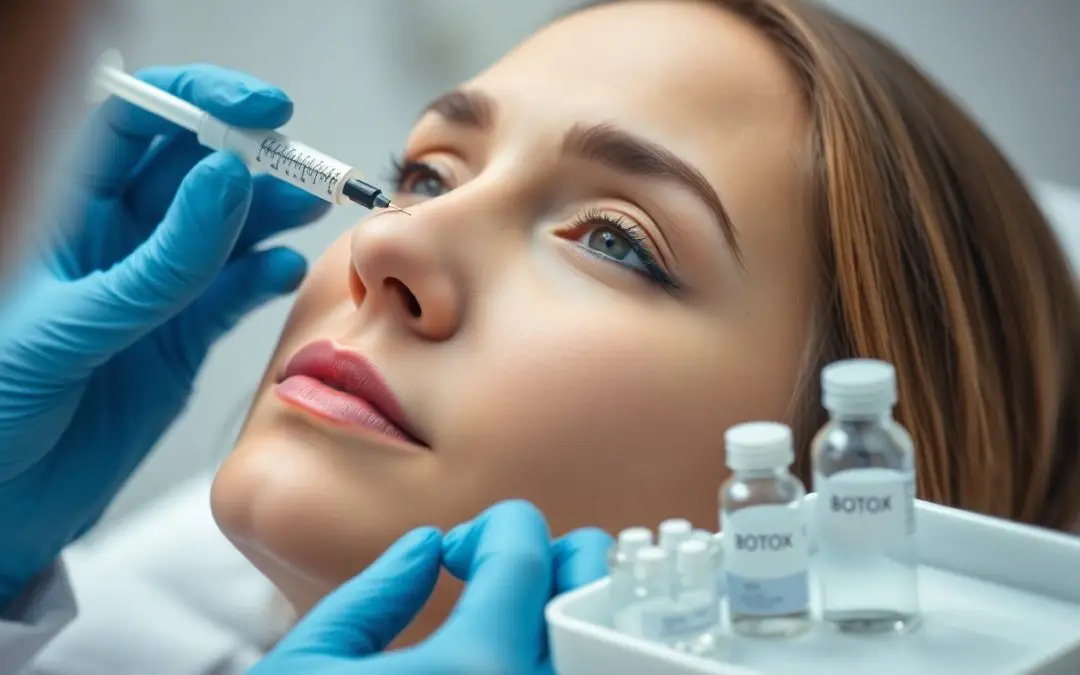
Over a brief consultation, you receive medical-grade Botox administered by licensed clinicians to smooth wrinkles, refine contours, and preserve natural expression while minimizing risk through precise dosing and sterile technique.
The Pharmacology of Medical-Grade Botulinum Toxin
You should understand how medical-grade botulinum toxin acts at the neuromuscular junction, blocking acetylcholine release to reduce targeted muscle contraction, producing predictable aesthetic improvements when dosed clinically.
Understanding Neuromodulation and Muscle Relaxation
When you receive injections, the toxin binds presynaptic terminals, preventing acetylcholine release and causing localized muscle relaxation; this targeted neuromodulation smooths dynamic lines while preserving natural expression when applied precisely.
The Importance of Clinical Purity and Standardization
Because you depend on consistent results, clinical-grade formulations undergo strict purification, unit standardization, and potency testing to minimize variability and reduce adverse effects.
Ensure you verify product sourcing, batch certificates, and licensed clinician use; standardized units, validated cold chain, and transparent potency assays directly affect dosing accuracy, safety margins, and repeatable aesthetic outcomes.
Targeted Facial Rejuvenation Zones
You can refine specific areas with medical-grade Botox to soften expression lines, restore facial balance, and maintain natural movement through precise assessment and tailored injection patterns.
Upper Face: Forehead, Glabella, and Periorbital Lines
Forehead, glabella, and periorbital injections let you reduce horizontal lines, frown creases, and crow’s feet while preserving expressive movement with conservative, anatomically guided dosing.
Lower Face: Masseter Reduction and Perioral Refinement
Masseter reduction and perioral refinement allow you to slim a square jaw and soften vertical lip lines using targeted, symmetric doses matched to your anatomy and function.
When treating the masseter, your provider maps muscle bulk and uses staged microdoses to reduce chewing force, improving jaw contours and often easing bruxism; Perioral injections focus on orbicularis oris and adjacent fibers to smooth smoker lines, correct asymmetry, and preserve your speech and smile dynamics.
Pre-Procedure Clinical Evaluation
You will undergo a focused medical history review, medication reconciliation, and physical exam to assess neuromuscular status, allergy risk, and realistic aesthetic goals before proceeding with Botox.
Comprehensive Analysis of Facial Anatomy and Symmetry
Your facial movement patterns, muscle strength, and symmetry are mapped to customize injection sites and dosages for balanced, natural-looking results.
Identifying Contraindications and Patient Suitability
Screening for pregnancy, neuromuscular disorders, active infections, or interacting medications determines whether you can safely receive Botox and guides next steps.
If you have autoimmune disease, neuromuscular conditions, recent facial surgery, are pregnant or breastfeeding, or take anticoagulants or aminoglycoside antibiotics, disclose these details so the clinician can order tests, adjust dosing, postpone treatment, or recommend safer alternatives aligned with your safety and goals.
Precision Injection Techniques and Protocols
Precision mapping of injection sites and strict protocols let you expect tailored, safe treatments with predictable outcomes while conserving natural facial movement.
Strategic Placement for Natural-Looking Results
Targeted placement of micro-injections lets you maintain expression while smoothing lines, using anatomical landmarks and dynamic testing to avoid a frozen look.
Dosage Calibration Based on Muscle Mass and Depth
Dose adjustments based on muscle bulk and depth allow you to achieve balanced weakening; clinicians titrate units per injection to match functional demands and asymmetries.
Measurements of muscle thickness, contraction strength, and fiber orientation guide you to a personalized unit plan; electromyography or visual assessment can refine dosing, while conservative initial dosing with staged follow-up reduces overcorrection risk.
Patient Experience and Post-Treatment Care
You may notice mild redness or tenderness after treatment; you should avoid rubbing, strenuous exercise, and alcohol for 24 hours. Follow your clinician’s tailored instructions, report unusual symptoms, and attend the recommended follow-up to ensure safe, satisfying results.
Immediate Aftercare Guidelines for Optimal Absorption
Avoid rubbing treated areas, lying flat, or vigorous exercise for four hours; you should also skip facials, saunas, and alcohol for 24 hours to optimize absorption and reduce migration risk.
Managing the Timeline of Results and Longevity
Expect initial smoothing within three to five days, with full effect by two weeks; you should plan touch-ups around three to four months depending on muscle strength and treatment goals.
Tracking your response lets you and your clinician fine-tune retreatment intervals; higher metabolic rates, stronger muscles, prior toxin exposure, and dosage all influence how long results last, so report shifts in movement or satisfaction to adjust future sessions for consistently natural outcomes.
Safety Standards and Risk Mitigation
Clinics enforce strict protocols, sterile technique, precise dosing, and emergency readiness to protect you throughout consultation, injection, and follow-up.
Recognizing and Addressing Potential Side Effects
You should watch for bruising, eyelid droop, asymmetry, or flu-like symptoms and contact your provider immediately if issues persist beyond expected recovery.
The Critical Role of Licensed Medical Oversight
Licensed clinicians evaluate your medical history, determine appropriate dosing, and intervene promptly to minimize complications, keeping your treatment on a safe course.
Practitioners with medical training assess contraindications, adjust technique for your facial anatomy, obtain informed consent, and schedule follow-up so you receive timely care and clear recovery instructions if adverse effects arise.
Conclusion
As a reminder, you should seek medical-grade Botox administered by licensed clinicians to ensure precise facial contouring, reduced wrinkles, tailored dosing, and safe follow-up care, achieving natural-looking results while minimizing risks.