
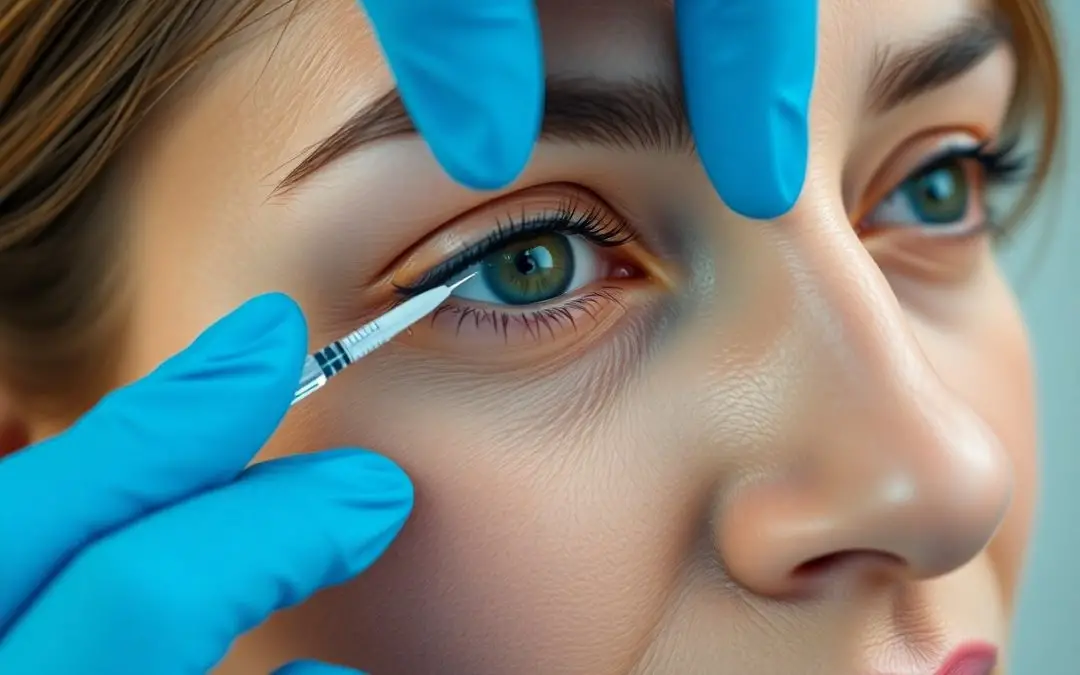
It’s a targeted, minimally invasive use of botulinum toxin that softens wrinkles, balances facial contours, and offers quick treatments with minimal downtime, letting you achieve natural-looking rejuvenation guided by medical expertise.
The Science of Botulinum Toxin Type A
Botulinum toxin type A interrupts acetylcholine release at neuromuscular junctions, so you experience targeted muscle relaxation that smooths dynamic lines with minimal downtime.
Mechanism of Neuromuscular Blockade
Injection of small doses prevents synaptic vesicle fusion, so you see temporary loss of muscle contraction and measurable wrinkle reduction lasting weeks to months.
Evolution of Minimally Invasive Injectables
Advances have refined dosing and delivery, enabling you to achieve subtler results with shorter sessions and quicker recovery.
Clinical protocols now combine precise mapping, microdosing, and patient-tailored plans so you get natural-looking rejuvenation while minimizing side effects and downtime.
Clinical Indications for Facial Rejuvenation
If you seek subtle facial rejuvenation, Botox addresses dynamic wrinkles, hyperactive muscles, and asymmetric expressions with minimal downtime, letting you refresh appearance without major procedures.
Treatment of Dynamic Rhytids and Fine Lines
You can smooth crow’s feet, glabellar lines and forehead creases by reducing muscle activity, achieving natural movement while softening expression lines with targeted microdoses.
Brow Lifting and Upper Face Contouring
Targeted injections in the corrugators and lateral orbicularis help you lift the brow, open the eye area, and refine upper-face contour with precise dosing tailored to facial anatomy.
Precise placement and individualized dosing let you achieve a subtle lift without appearing overdone; clinicians assess brow height, orbital bone structure and muscle balance, combining lateral depressor weakening with selective frontalis modulation to harmonize brow shape, reduce heaviness, and preserve natural forehead movement.
Patient Assessment and Treatment Planning
Assessment of your skin tone, laxity, and medical history guides how you and your clinician select targets, timing, and contraindication screening to align safety with natural-looking results.
Analysis of Facial Anatomy and Muscle Distribution
Mapping muscle strength, insertion points, and dynamic folds helps you visualize targets, predict movement changes, and reduce asymmetry during expression.
Customizing Dosage and Injection Mapping
Dosing considers your muscle mass, prior response, and aesthetic aims, pairing unit adjustments with precise injection maps to minimize diffusion and adverse effects.
Detailed planning weighs your baseline muscle activity, facial asymmetries, prior neuromodulator response, and concurrent treatments to set micro-unit placement, depth, and spacing. You will often begin with modest units in hyperdynamic zones, followed by a two-week reassessment for touch-ups; adjustments factor in gender, muscle bulk, and prior fillers to refine functional and aesthetic balance.
The Procedure: Technique and Precision
You will observe the injector use precise microdroplet placements, measured units, and anatomical mapping to minimize diffusion and achieve balanced muscle relaxation and natural contours.
Standardized Injection Protocols
Following established dose charts and landmark grids, you maintain consistent units per site and spacing to ensure predictable outcomes and reproducible results across treatments.
Strategies for Minimizing Patient Discomfort
Topical anesthetic, slow injection speed, and brief cold application help you reduce pain while preserving tactile feedback and procedural accuracy.
Combining local measures, you can layer strategies: topical anesthetic pretreatment, ice or vibration during injection, smaller-gauge needles, slow bolus technique, and clear verbal guidance to set expectations and calm patients, which reduces nociceptive input and improves cooperation for precise placement and optimal results.
Safety Profile and Adverse Event Management
Clinical safety of minimally invasive Botox is well established; you will face low rates of serious complications when treated by an experienced injector, and prompt recognition with targeted management minimizes downtime.
Common Side Effects and Recovery Timelines
Typical side effects include mild bruising, tenderness, and transient headache; you can expect most symptoms to resolve within a week, with cosmetic results appearing by two weeks.
Identifying and Addressing Contraindications
Contraindications such as pregnancy, active infection at the injection site, or certain neuromuscular disorders require you to defer treatment and consult your clinician for safe alternatives.
If you have a history of neuromuscular disease, bleeding disorders, anticoagulant use, recent facial surgery, or allergy to botulinum components, disclose this so the injector can modify dosing, delay therapy, or suggest safer options; pregnancy and breastfeeding also preclude treatment and warrant alternative strategies.
Post-Treatment Care and Longevity
You can prolong Botox benefits by following simple care: avoid vigorous exercise and facial rubbing for 24 hours, sleep elevated the first night, and protect treated areas from sun. Communicate with your provider about any unexpected bruising or asymmetry; timely touch-ups and healthy skin practices will extend results.
Aftercare Guidelines for Optimal Results
Avoid alcohol and blood thinners for 24 hours, skip facial massages, apply cold compresses for swelling, and follow your injector’s activity restrictions. Use gentle cleanser and sunscreen, and contact your clinician if you experience persistent pain, unusual bruising, or asymmetry.
Maintenance Schedules for Sustained Rejuvenation
Schedule touch-ups every three to four months to maintain smoothing, adjusting intervals based on muscle activity and your desired outcome. Track changes and consult your injector to refine dosing and timing as results evolve.
Plan follow-ups that consider your metabolism, muscle strength, treated area, and product used; these factors govern how long effects last. If lines reappear sooner, request targeted top-ups instead of a full reset. You can lengthen intervals over time as muscles respond to repeat dosing, and pairing treatments or tailored skincare can further prolong benefits.
To wrap up
So you can achieve subtle facial rejuvenation with minimally invasive Botox treatments that reduce dynamic wrinkles, preserve natural expression, and require minimal downtime; consult a qualified clinician to tailor dosing and injection sites for safe, predictable results.