
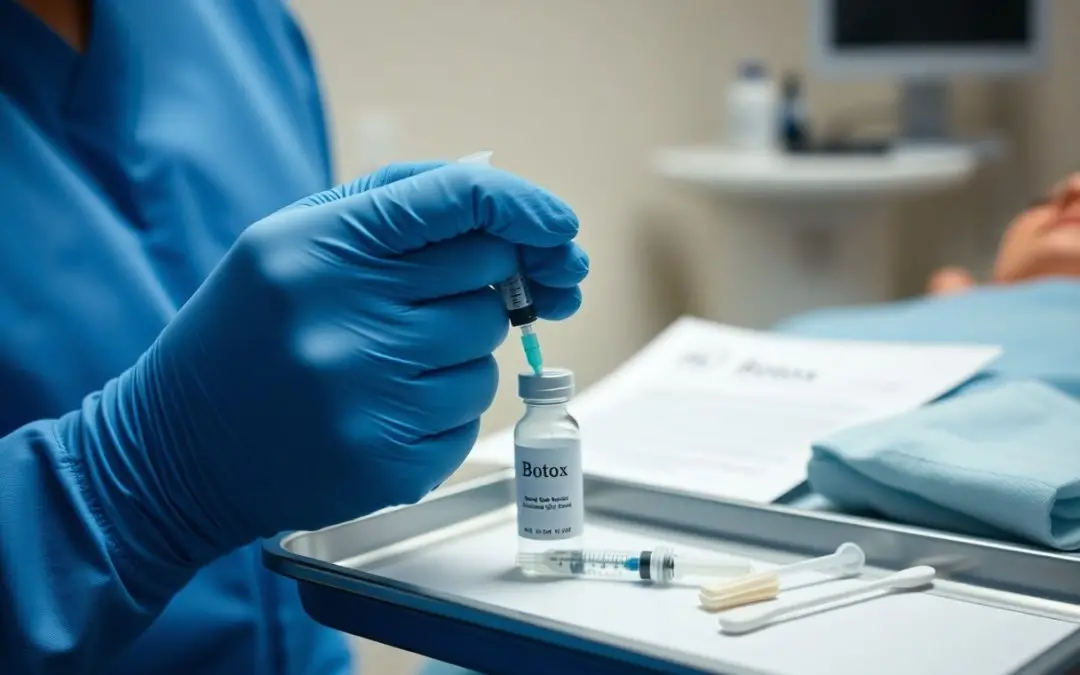
Many choosing Botox want safe, effective results; you ensure this by selecting a licensed injector, discussing your health and goals, adhering to pre/post-care, understanding risks and costs, and scheduling follow-up to monitor outcomes.
Selecting a Qualified Practitioner
Choose a practitioner who is board-certified in plastic surgery, dermatology, or facial cosmetic medicine; you should prioritize clinicians with extensive injectable experience and documented patient outcomes.
Verifying Medical Credentials and Experience
Check medical credentials, board certifications, and specific training in neuromodulator injections; you should verify license status and ask for before-and-after photos plus patient references.
Evaluating Clinical Environment and Safety Standards
Inspect the clinic’s cleanliness, sterilization practices, and availability of emergency equipment; you should confirm staff training and adherence to local health regulations.
Ask about infection-control protocols, single-use vials, and how needles and instruments are handled; you should observe staff using gloves, proper sharps disposal, and visible emergency kits. Inquire how post-treatment monitoring, adverse event procedures, and follow-up care are managed so you can be confident in prompt, professional support if complications occur.
The Pre-Treatment Consultation Process
During the consultation, you and the clinician will review facial anatomy, prior treatments, and realistic outcomes to design a personalized, safe injection plan.
Reviewing Medical History and Contraindications
Before treatment, you must disclose medications, supplements, allergies, pregnancy status, and neuromuscular conditions so your provider can identify contraindications and reduce complications.
Establishing Realistic Aesthetic Objectives
Discussing your goals helps you and the clinician agree on achievable results, set treatment limits, and select dosing and injection sites for natural-looking improvements.
You should describe which features matter most-forehead lines, frown lines, or crow’s feet-and provide photos of past results if available. This lets the clinician recommend conservative doses or staged treatments to preserve facial movement while addressing concerns. Honest discussion about downtime tolerance and long-term plans ensures choices align with your lifestyle and aesthetic priorities.
Understanding the Injection Procedure
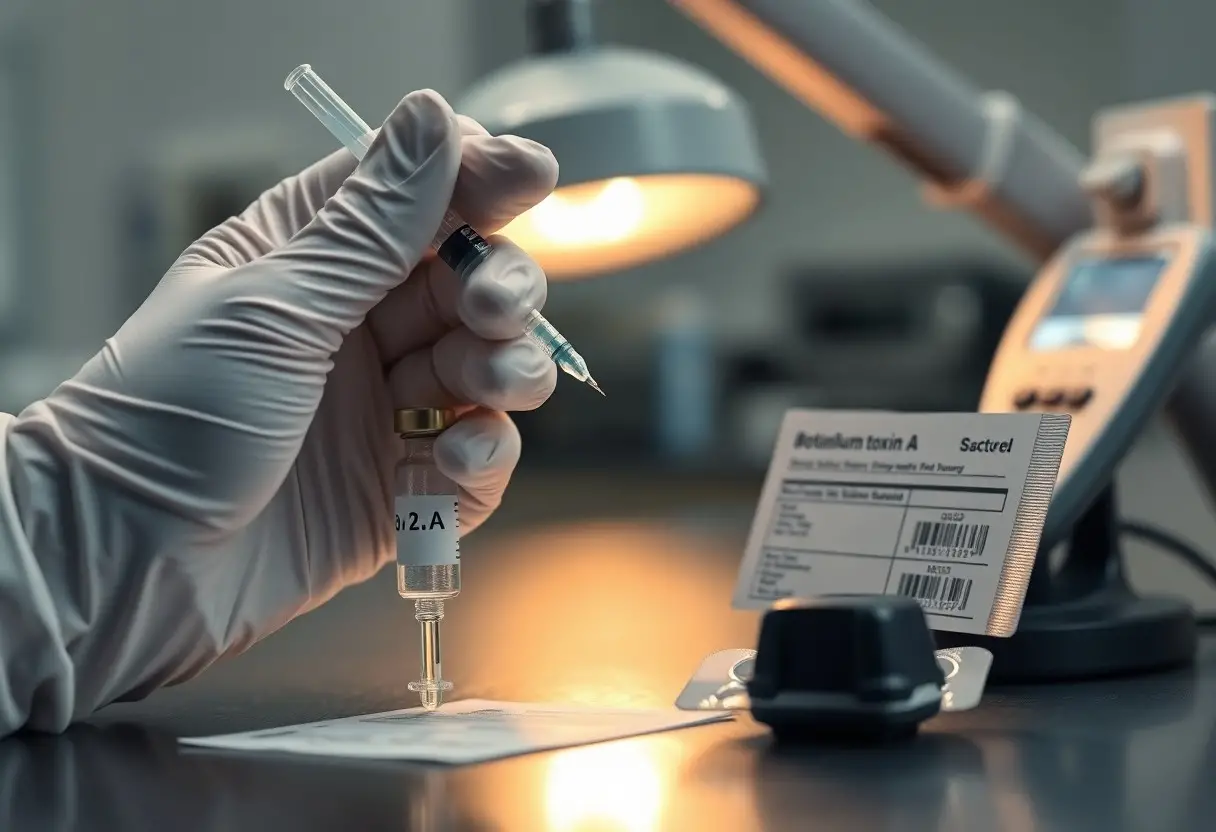
Expect your clinician to mark and cleanse target areas, inject precise units with a fine needle, and ask you to relax facial muscles; you will experience brief pressure and minimal downtime.
Injection Site Precision and Dosage
Precision in placement and dosing protects results, so you should choose providers who tailor units to muscle strength and facial symmetry and document injection maps.
Pain Management and Comfort Measures
Comfort techniques such as topical numbing, ice, vibration, or brief pauses reduce sensation, and you can request alternatives if anxiety or sensitivity increases.
You can ask for a topical anesthetic applied 20-30 minutes before injections or for cold and vibration during the procedure to distract nerves. You may use acetaminophen for post-treatment soreness and should avoid intense rubbing or heavy exercise for 24 hours. Contact your clinician if you notice increasing pain, spreading redness, or signs of infection.
Essential Post-Treatment Care
After treatment, you should keep the area clean, avoid makeup for 24 hours, limit sun exposure, and sleep with your head raised if advised to reduce swelling and bruising.
Immediate Activity Restrictions
Avoid strenuous exercise, hot baths, alcohol, and facial rubbing for 24-48 hours to reduce bruising and prevent product migration; follow your clinician’s specific restrictions.
Monitoring for Expected Side Effects
Expect mild redness, tenderness, and tiny bruises that fade in a few days; call your clinician for severe pain, increased swelling, numbness, or vision changes.
Watch for worsening or unexpected signs: severe pain, immediate blanching or grayish discoloration, increasing numbness, or sudden vision changes-all require same‑day evaluation for possible vascular occlusion. Check for spreading redness, warmth, fever, or pus that suggest infection; take photos, avoid unprescribed topical treatments, and contact your clinic for prompt assessment and treatment.
Optimizing and Maintaining Results
Consistency improves longevity: follow your injector’s aftercare, avoid intense sun and exercise for 24-48 hours, monitor results, and contact your clinician if you experience unexpected pain or asymmetry.
Recommended Follow-Up Schedules
Plan routine touch-ups every three to four months initially; after stable results, extend intervals as advised, and keep appointments to maintain consistent appearance and address dose adjustments.
Synergistic Skincare Practices
Combine a gentle cleanser, daily SPF, and targeted retinoids or peptides to support skin texture and prolong Botox benefits; check with your provider before introducing new active treatments.
Prioritize anti-inflammatory steps and hydration: use antioxidant serums, hyaluronic acid, and a daily broad-spectrum SPF while phasing in retinoids slowly. You should avoid deep peels, intense lasers, or aggressive microneedling for at least two weeks after injections to reduce bruising, and coordinate any in-office resurfacing with your injector for optimal timing and safety.
Summing up
To wrap up, you should select a licensed injector, disclose your medical history, follow pre- and post-treatment instructions, and set realistic expectations to achieve safe, effective Botox results with minimized complications.