
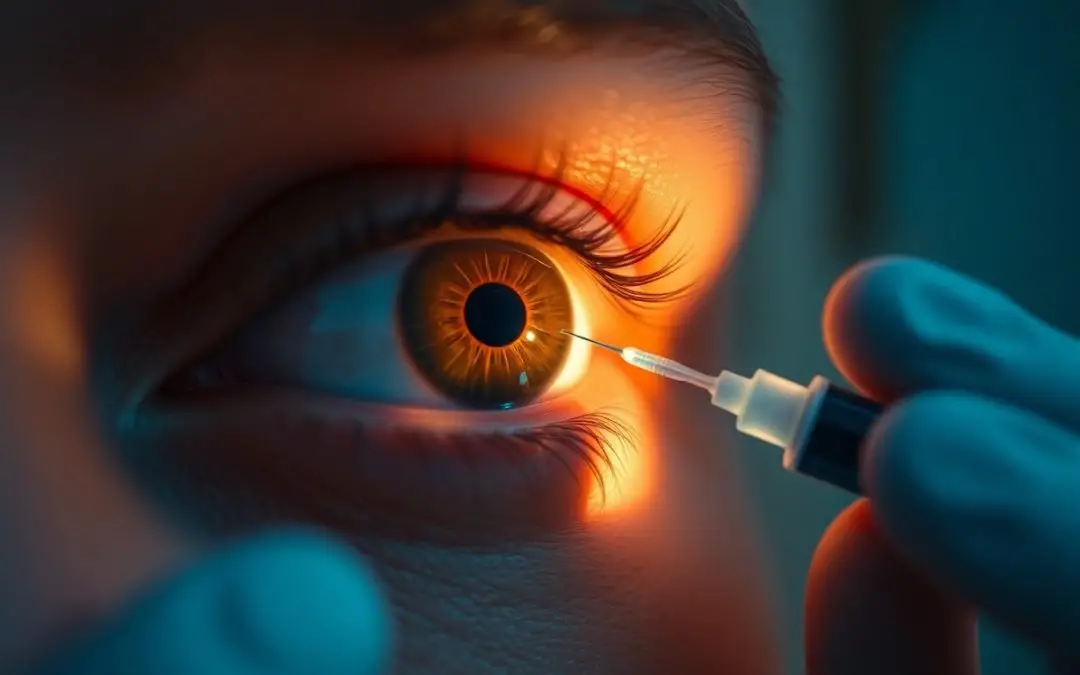
There’s a common misconception that Botox is solely a cosmetic treatment for wrinkles, but it can also serve significant medical purposes. If you experience eye twitching or strabismus, you might be surprised to learn how Botox can help alleviate these conditions. This blog post will explore the science behind Botox’s effectiveness in treating these eye disorders, helping you understand how it can improve your quality of life while dispelling myths surrounding its use.
Understanding Eye Twitching
Before stepping into treatment options, it’s imperative to grasp what eye twitching really is. This involuntary spasm of the eyelid, often referred to as myokymia, can be intermittently irritating but is usually harmless. You may experience these twitches in your upper or lower eyelid, and while they are typically temporary, understanding their underlying causes can help in managing their occurrence.
Causes of Eye Twitching
Across various individuals, eye twitching can stem from an array of factors. Stress, fatigue, and eyestrain are common culprits. Additionally, excessive caffeine intake or dry eyes can exacerbate the problem. Understanding these causes allows you to evaluate your lifestyle choices and identify potential triggers for your eyelid spasms.
Symptoms and Diagnosis
Causes of eye twitching vary greatly, but the symptoms usually include noticeable twitching of the eyelid and occasional discomfort. Your doctor can diagnose this issue through a physical examination and by reviewing your medical history. Determining the rhythm and frequency of your eye twitches is imperative for understanding their nature.
For instance, persistent eye twitching that lasts for several days or occurs frequently may indicate a need for further evaluation. Your healthcare provider will consider additional factors, such as your overall health and any other symptoms you may be experiencing. A proper diagnosis will lead to tailored recommendations for managing eye twitching effectively.
Overview of Strabismus
One of the most common vision disorders, strabismus occurs when your eyes do not properly align with each other. This misalignment can lead to difficulties in depth perception and binocular vision, significantly impacting how you see the world around you. Strabismus may be present at birth or can develop later in life due to various factors, affecting your daily activities and visual experiences.
Types of Strabismus
One way to understand strabismus is by recognizing the different types it encompasses. Each type presents unique characteristics and challenges.
- Esotropia: One eye turns inward.
- Exotropia: One eye turns outward.
- Hypertropia: One eye is higher than the other.
- Hypotropia: One eye is lower than the other.
Knowing these classifications can help you identify the specific challenges you may be facing with your vision.
| Type of Strabismus | Description |
|---|---|
| Esotropia | Inward turning of one eye. |
| Exotropia | Outward turning of one eye. |
| Hypertropia | One eye is positioned higher than the other. |
| Hypotropia | One eye is positioned lower than the other. |
| Alternating Strabismus | Both eyes take turns misaligning. |
Impact on Vision
Against common belief, strabismus can significantly affect your vision beyond mere eye appearance. It can lead to amblyopia, or “lazy eye,” where your brain starts to ignore signals from one eye. This condition can cause difficulties in accurately perceiving depth and distance, limiting your ability to perform everyday activities such as driving or playing sports.
Strabismus can lead to compromised visual quality as your eyes struggle to work together. This lack of coordination can create double vision and impair your overall depth perception. You might also experience discomfort during visual tasks, making it imperative to address this condition promptly to protect your vision and ensure functionality in your daily life.
The Role of Botox in Treating Eye Conditions
Assuming you are experiencing eye conditions such as twitching or strabismus, it’s important to know that Botox has emerged as an effective treatment option. By targeting specific muscles around the eyes, Botox can help reduce involuntary movements and improve alignment, providing relief from discomfort and enhancing visual function. This treatment not only addresses cosmetic concerns but also plays a significant role in improving overall eye health.
Mechanism of Action
Above all, Botox works by blocking the release of acetylcholine from nerve endings at the site of injection. This action temporarily paralyzes the targeted muscles, reducing their activity and alleviating conditions like eye twitching and strabismus. The result is a noticeable decrease in symptoms, providing you with better control and comfort around your eyes.
Historical Use of Botox
An interesting aspect of Botox is its history as a medical treatment, which began before its cosmetic applications became widely recognized. Initially approved for the treatment of strabismus and blepharospasm in the late 1980s, Botox has since evolved into a standard option for various eye conditions. Its quick onset and minimal invasiveness paved the way for its acceptance in diverse medical fields, paving the path for new innovations in treatment.
In addition to its early adoption in treating strabismus and blepharospasm, Botox’s safety profile and effectiveness led to its exploration in other medical applications over the years. Many patients have benefited from Botox for conditions related to muscle tightness and spasms around the eyes. As research and clinical experience with Botox have expanded, its use has become a go-to choice for addressing complex eye issues, allowing you to reclaim comfort and quality of life.
Botox Treatment for Eye Twitching
Now, you will find that Botox can be a highly effective solution for alleviating eye twitching. These involuntary muscle contractions often disrupt your daily life, causing discomfort and frustration. By injecting Botox into the affected muscles around your eyes, you can experience significant relief, allowing you to resume normal activities without the constant distraction of twitching.
Treatment Protocol
Treatment typically involves a detailed consultation where your healthcare provider assesses your symptoms and medical history. During the procedure, you will receive a series of small Botox injections into the muscles responsible for the twitching. This process generally takes only a few minutes and is minimally invasive, allowing you to return to your normal routine shortly afterward.
Expected Outcomes
By following through with the Botox treatment, you can anticipate a reduction in muscle contractions and an overall improvement in your eye condition. Many individuals notice relief within a few days, and the effects can last for several weeks or even months.
Expected outcomes include not only a noticeable decrease in eye twitching but also an improvement in your quality of life. With successful Botox treatment, you may find that the frequency and intensity of your symptoms diminish significantly. The relaxing effect of Botox on the targeted muscles allows you to enjoy your daily activities without the persistent distraction of twitching. Ultimately, the goal is to enhance your comfort and well-being, helping you reclaim control over your eye movements.
Botox Treatment for Strabismus
Not only does Botox serve cosmetic purposes, but it also plays a significant role in managing strabismus. By injecting the botulinum toxin into specific eye muscles, you can effectively weaken the overactive muscle. This leads to better eye alignment, reducing the impact of strabismus in daily activities. The results are often temporary, requiring follow-up treatments, but many patients appreciate the non-invasive nature of this option compared to other corrective measures.
Case Studies and Evidence
One compelling example of Botox’s effectiveness can be observed in the following case studies:
- Study A: 65% of patients reported improved alignment post-treatment.
- Study B: 75% experienced reduction in strabismus symptoms within 3 weeks.
- Study C: 90% of subjects noted a significant increase in quality of life metrics.
- Study D: Effects lasted an average of 3-6 months before requiring retreatment.
Comparison with Surgical Options
To better understand your options, it is helpful to compare Botox treatment with surgical procedures:
| Botox Treatment | Surgical Options |
|---|---|
| Minimally invasive | Involves surgical risks |
| Quick recovery time | Longer recovery period |
| Temporary effects (3-6 months) | Potential for permanent correction |
| Lower cost | Higher cost with potential for additional treatments |
Comparison of Botox treatment and surgical options reveals necessary factors to consider when deciding on a strabismus treatment plan. You will find that while Botox is less invasive and offers a quicker recovery, its effects are temporary. Conversely, surgery aims for a long-term solution but comes with higher risks and costs. Ultimately, your choice should be based on personal preferences, the severity of your condition, and consultation with your healthcare provider.
Safety and Side Effects of Botox
Many individuals considering Botox for eye twitching or strabismus may have concerns regarding its safety. While Botox is generally considered safe when administered by a qualified professional, it is important to be aware of potential side effects. You should consult with your healthcare provider to determine if Botox is an appropriate treatment for your condition.
Common Side Effects
Side effects of Botox can include mild discomfort or swelling at the injection site, headaches, and temporary drooping of the eyelid. These effects are typically short-lived and resolve on their own within a few days. You should keep an open line of communication with your doctor to address any unexpected symptoms you may experience.
Long-term Considerations
By understanding the long-term considerations of Botox treatment, you can make more informed decisions about your care. Regular treatments are necessary for maintaining results, and over time, you may develop a tolerance to the toxin, potentially requiring adjustments in dosage.
Plus, you should consider the financial aspects of ongoing treatments, as multiple sessions may be needed to sustain the benefits. Monitoring any changes in your condition and involving your healthcare professional in decisions about your Botox regimen will help ensure that your treatment remains safe and effective over time.
Final Words
With these considerations, you can see how Botox extends its benefits beyond cosmetic enhancements, effectively addressing conditions like eye twitching and strabismus. Understanding the therapeutic applications of Botox can empower you to make informed decisions about your treatment options. Whether you’re seeking relief from involuntary movements or improving eye alignment, discussing these possibilities with your healthcare provider will help ensure you receive the most appropriate care tailored to your unique needs.