
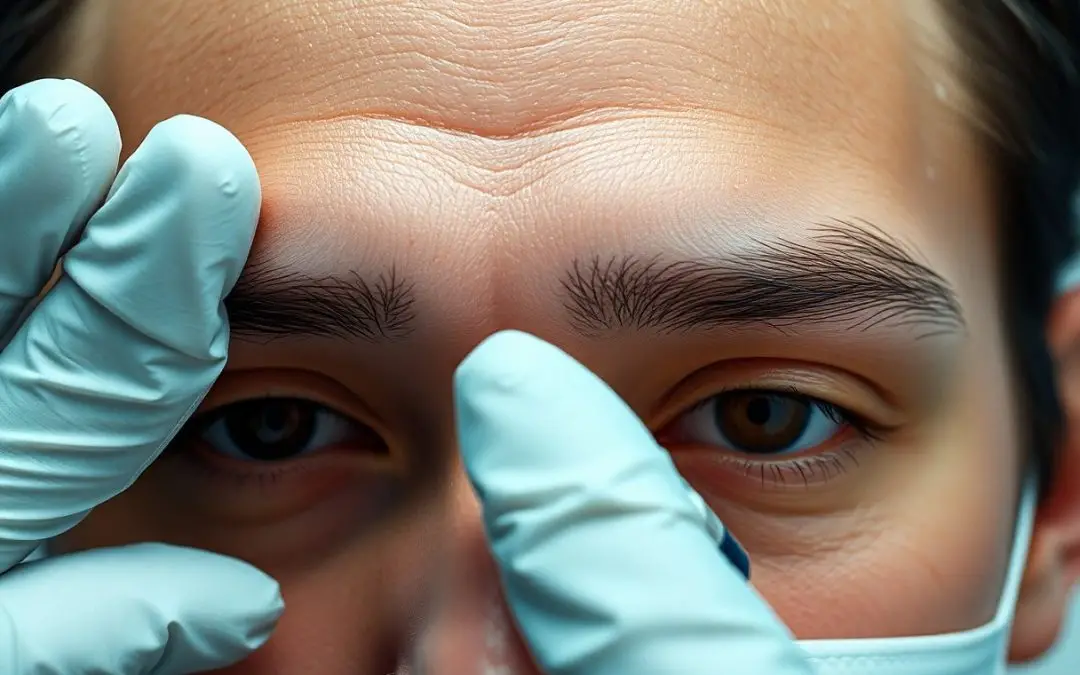
Results from Botox can appear uneven due to differences in facial anatomy, muscle strength, or injection technique. You may notice asymmetry if the product spreads unevenly or if your injector places the doses inaccurately. Pre-existing facial imbalances or inconsistent aftercare can also affect outcomes.
The Inherent Asymmetry of the Visage
Your face is naturally asymmetrical-no two sides are perfectly identical. Subtle differences in bone structure, soft tissue volume, and muscle attachment points exist in everyone. These variations influence how Botox spreads and takes effect, sometimes leading to uneven results even with precise injections.
Genetic Disparities in Muscle Strength
Genetics shape the strength and size of your facial muscles, often resulting in one side being more developed than the other. When Botox is administered, weaker muscles may respond more noticeably than their stronger counterparts, creating an imbalance in movement and appearance that reflects your unique physiology.
The Dominant Side of Expression
You tend to use one side of your face more when smiling, frowning, or showing emotion. This dominant side develops stronger muscle memory and more pronounced lines over time. Botox may appear less effective there simply because those muscles are more conditioned and active.
Over years of repeated expressions, your dominant side builds deeper neuromuscular pathways, making contractions more automatic and forceful. Even after Botox relaxes the muscles, residual activity can linger on this side, leading to a subtle mismatch in symmetry. Adjusting dosage or injection depth can help balance the outcome.
The Practitioner’s Lack of Artistry
Every face has unique contours and muscle dynamics that demand a tailored approach. When injectors treat Botox as a mechanical task rather than a nuanced craft, symmetry often suffers. Your results reflect not just medical precision but aesthetic judgment-something no protocol can fully teach.
Imprecise Dosage Distribution
Dosing too much in one area and too little in another disrupts facial balance. You may notice one eyebrow lifts higher while the other lags, creating an unintended expression. Consistency in volume placement is key to achieving natural, even outcomes.
Miscalculation of Injection Depth
Injecting too shallow or too deep alters how Botox interacts with your muscles. If the needle doesn’t reach the targeted layer, the toxin may diffuse unpredictably. This often leads to uneven relaxation and unintended movement in adjacent areas.
When the injection goes too deep, Botox can migrate to muscles not meant to be treated, causing unintended weakness or drooping. Placing it too superficially may limit its uptake, reducing effectiveness. Your injector must understand facial anatomy in three dimensions to deliver Botox precisely where it will work best, ensuring balanced, predictable results. Depth isn’t just technical-it’s foundational to symmetry.
The Patient’s Post-Procedural Follies
How you behave after your Botox session directly influences the symmetry and quality of your results. Simple missteps in the hours following treatment can shift the product from its intended location, leading to imbalanced outcomes. Your actions matter more than you might think.
The Hazards of Early Recumbency
Lying down too soon after Botox can cause the solution to migrate beyond targeted muscles. Remaining upright for at least four hours helps keep the product in place. You risk asymmetry if you ignore this simple rule.
Premature Physical Exertion
Exercising within 24 hours increases blood flow and facial flushing, which may spread the neurotoxin unevenly. Your muscles’ heightened activity can redirect the product, creating unintended weakness or stiffness in untreated areas. Avoid intense movement to preserve precision.
Pushing through a workout shortly after treatment doesn’t just raise your heart rate-it triggers muscle contractions and vasodilation that compromise Botox placement. When you strain or sweat, the injected areas experience pressure changes that encourage diffusion into neighboring zones. This unintended spread often results in drooping brows or uneven smiles, especially if injections were near the forehead or eyes. Let your body rest to ensure optimal, symmetrical outcomes.
The Migration of the Frozen Elixir
You may notice asymmetry after Botox because the toxin sometimes moves from its intended site. This shift, known as diffusion, can affect nearby muscles not originally targeted, leading to an uneven appearance. Your facial structure and injection technique play key roles in whether this occurs.
Unintended Diffusion to Neighboring Muscles
Diffusion beyond the target zone can weaken adjacent muscles, creating imbalanced expressions. If the toxin spreads to areas controlling eyebrow movement, one side may lift while the other droops. Your injector’s precision helps minimize this risk.
Variations in Toxin Potency
Each Botox vial contains a specific unit count, but slight differences in reconstitution or storage can alter its strength. You might experience inconsistent results even with the same dosage if potency varies between batches or preparation methods.
Manufacturers follow strict protocols, yet minor fluctuations in how the toxin is mixed or stored can influence its effectiveness. Temperature changes or improper handling may reduce potency, leading to weaker or patchy outcomes. Your provider’s adherence to proper storage and mixing techniques ensures more predictable results.
The Influence of Individual Metabolism
Your body’s unique metabolic rate plays a key role in how evenly Botox spreads and takes effect. Faster metabolism may break down the neurotoxin more quickly, leading to inconsistent results or shorter duration on one side. Differences in muscle blood flow and enzyme activity further contribute to asymmetrical outcomes.
The Speed of Cellular Recovery
One side of your face might recover faster than the other due to natural variations in nerve regeneration. This uneven reactivation of muscle function can create a lopsided appearance weeks after treatment. Factors like sleep position or habitual facial movements may influence this process.
The Body’s Immune Response
Your immune system can affect how Botox performs if it recognizes the protein as foreign. Some individuals develop neutralizing antibodies, reducing effectiveness in certain areas. This response varies widely and may lead to patchy or incomplete muscle relaxation over time.
When your body mounts an immune reaction to the botulinum toxin, it doesn’t always happen uniformly across treated zones. Localized inflammation or prior exposure to similar proteins might trigger a stronger defense in one area, diminishing Botox’s impact there. While rare, this can result in visible asymmetry, especially with repeated or high-dose treatments over the years.
The Rectification of Aesthetic Sins
Perfection in aesthetics often emerges only after imperfection has been addressed. When Botox results appear uneven, correction becomes less about concealment and more about precision. You benefit most when asymmetry is met not with haste, but with deliberate, informed intervention tailored to your unique facial dynamics.
The Strategic Touch-up Appointment
Timing defines the success of your follow-up. A well-placed touch-up two weeks after initial treatment allows you to correct minor imbalances while muscle activity is still modulated. You avoid overcorrection by letting the full effect settle before refining the outcome.
The Virtue of Temporal Equilibrium
Patience shapes your results as much as the injection itself. Waiting 10 to 14 days reveals the true pattern of muscle relaxation. You gain clarity on what needs adjustment, ensuring corrections are based on reality, not premature assumptions.
Delaying judgment gives your tissues time to respond naturally to the neurotoxin. Early asymmetry often resolves as diffusion evens out across treated zones. Rushing to fix something that isn’t broken risks unnecessary intervention. You protect your outcome by honoring the biological timeline-what appears uneven at day three may look harmonious by day ten.
Conclusion
From above, you see that uneven Botox results stem from variations in facial anatomy, injector experience, dosage accuracy, and muscle activity. Your unique physiology and the precision of treatment directly influence symmetry. Choosing a skilled provider and following post-care guidance improves the likelihood of balanced, natural-looking outcomes tailored to your features.