
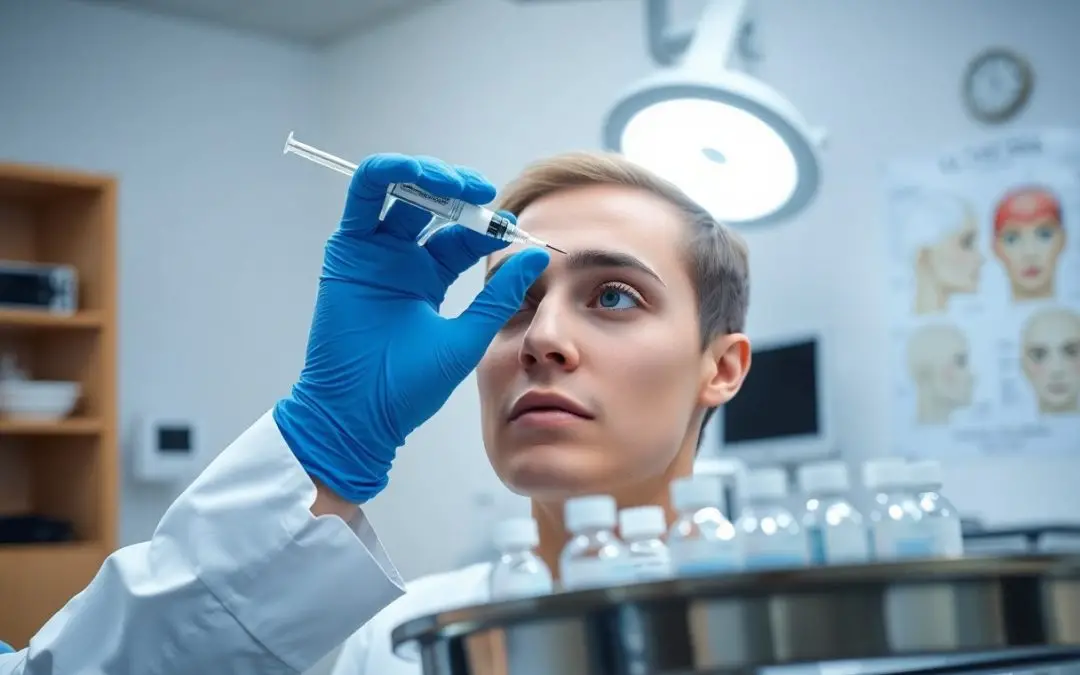
Botox can sometimes lead to asymmetrical outcomes due to injection placement or muscle response. You can address uneven results safely by understanding the timeline, avoiding self-correction, and consulting your provider. Temporary imbalance often resolves in weeks, but targeted adjustments by a trained professional can correct persistent issues without risk.
Identifying Asymmetry and Uneven Distribution
Facial asymmetry after Botox often becomes noticeable within days of treatment. You may observe one eyebrow sitting higher than the other or uneven forehead movement when making expressions. These imbalances typically stem from inconsistent product placement or muscle response. Catching these signs early helps determine the right next steps.
Recognizing common signs of facial imbalance
You might notice one side of your smile lifts higher or your brows appear lopsided when relaxed. Difficulty closing one eye fully or unexpected drooping can also signal uneven distribution. These subtle shifts in symmetry often point to dosage or injection depth differences between sides.
The importance of the fourteen-day settling period
Your body needs time to fully process the Botox before final results emerge. Wait at least two weeks before judging symmetry issues, as swelling subsides and muscle activity stabilizes. Jumping to conclusions too soon may lead to unnecessary corrections.
Waiting fourteen days allows the neuromodulator to bind completely to nerve endings, revealing the true outcome. During this window, avoid massaging the area or scheduling touch-ups. Many apparent imbalances resolve on their own as the product settles evenly. Patience supports safer, more accurate follow-up decisions.
Key Factors Influencing Botox Outcomes
- Individual facial anatomy and muscle resistance
- Injection technique and dosage precision
Any successful Botox treatment depends on understanding these core variables that shape final results.
Individual facial anatomy and muscle resistance
Your facial structure and muscle strength vary from person to person, directly affecting how Botox spreads and performs. Some muscles may resist relaxation due to thickness or overactivity. This natural variation explains why identical doses yield different outcomes across patients.
Injection technique and dosage precision
Placement accuracy determines whether Botox achieves balanced, natural-looking results. Even minor deviations can lead to asymmetry or under-correction. The amount used per site must match your muscle activity and size. Precision prevents complications and enhances effectiveness.
Mastering injection technique involves more than just hitting the right spot-it requires a deep understanding of facial musculature and experience in adjusting depth, angle, and volume. A skilled injector tailors each administration to your unique physiology, using real-time feedback to refine placement. Consistency in dosing across symmetrical areas ensures even muscle relaxation and avoids visible imbalance.
How-to Navigate the Correction Process
Every correction journey begins with recognizing subtle asymmetries and acting promptly. You should always rely on structured follow-ups rather than immediate self-assessment, as swelling or muscle adaptation can distort initial results. Trusting a qualified provider ensures accurate diagnosis and a tailored plan for balanced outcomes.
Coordinating a professional follow-up evaluation
Your provider will assess muscle activity and symmetry roughly two weeks post-injection, once the full effect has settled. This appointment is key to identifying which areas need adjustment. Be ready to discuss your concerns clearly and avoid pressing for changes before the recommended timeline.
Preparing for corrective touch-up injections
A successful touch-up starts with realistic expectations and proper timing. Most corrections occur 2-4 weeks after the initial session, allowing the full effect to emerge. You’ll receive precise, low-dose adjustments to smooth asymmetry without overcorrection.
Corrective touch-up injections are not a repeat of the original treatment but a refined approach targeting specific muscles. Your injector will use minimal units to rebalance movement and appearance, often focusing on one or two problem areas. Since over-treatment risks stiffness or drooping, precision and restraint are important. You’ll be advised to avoid blood thinners beforehand and to keep the area clean to reduce complications. Trust the process-small adjustments often yield the most natural results.
Expert Tips for Achieving Symmetrical Results
- Always begin with a thorough facial mapping during your consultation
- Use reference points like the brow arch and pupil center for precision
- Inject slowly and assess movement in real time
- Wait 10-14 days before considering touch-ups
Recognizing subtle imbalances early helps prevent overcorrection and supports natural-looking symmetry.
Utilizing strategic micro-doses for refinement
Small, controlled amounts allow precise adjustments without freezing expression. You can target minor asymmetries by placing tiny volumes exactly where needed. This method reduces risk and enhances balance over time.
Balancing facial expressions without over-treating
You preserve natural movement by treating only the most dominant muscles. The goal is harmony, not complete immobilization. Subtle corrections maintain authenticity in smiles and frowns.
Over-treating can lead to a stiff or unnatural appearance, especially around the forehead and eyes. You’ll achieve better outcomes by focusing on muscle symmetry rather than maximum smoothing. Letting some movement remain ensures your expressions still feel like you-just more relaxed and even.
Safety Protocols for Managing Complications
Always consult your licensed provider immediately if you notice asymmetry or unexpected changes after Botox. They can assess whether the issue stems from muscle imbalance, migration, or injection depth. Following professional guidance ensures safe correction without worsening the outcome. Never attempt self-treatment.
Risks associated with unverified home remedies
You might be tempted to try massage, heat, or supplements to fix uneven results, but these unverified methods can worsen the imbalance or spread the toxin. Some home techniques increase blood flow too aggressively, encouraging unintended diffusion. Stick to medically sound advice instead of risking prolonged side effects.
Identifying when to wait for natural metabolization
Your body breaks down Botox gradually over 3-4 months, and minor asymmetries often resolve on their own. If the imbalance is subtle and stable, waiting may be the safest choice. Watch for consistent patterns before pursuing corrective injections.
Not every uneven result needs intervention. If your provider confirms the placement was accurate and the asymmetry is mild-like slightly different brow heights-your muscles may simply need time to adjust. Early swelling or residual activity can create temporary illusions of imbalance. Give it at least four to six weeks before deciding on a touch-up, as premature corrections can compound issues. Trust the process when the signs point to natural resolution.

Strategies for Future Prevention
Preventing uneven Botox results begins with thoughtful planning and informed decisions. You reduce risks significantly by focusing on practitioner expertise and maintaining clear treatment records. Consistency in care leads to more predictable, natural-looking outcomes over time.
Selecting a highly skilled medical practitioner
Choosing the right provider directly impacts your results. You should verify credentials, review before-and-after photos, and prioritize experience over cost. A qualified professional understands facial anatomy and injection precision, minimizing the chance of asymmetry.
Documenting treatment history for personalized care
Keeping detailed records of past injections helps tailor future treatments. You enable your provider to track dosage, injection sites, and response patterns, leading to more consistent outcomes and fewer complications over time.
Tracking your treatment history means noting dates, units used, areas treated, and any side effects. You give your provider valuable insight into how your muscles respond, allowing adjustments that enhance symmetry and prolong results. This personalized approach supports long-term satisfaction and safety.
Summing up
Hence, uneven Botox results can be corrected safely when addressed by a qualified professional. You should always seek follow-up care promptly, avoid self-treatment, and allow time for full results before considering adjustments. Your provider can assess muscle activity and administer precise touch-ups to restore facial balance effectively.