
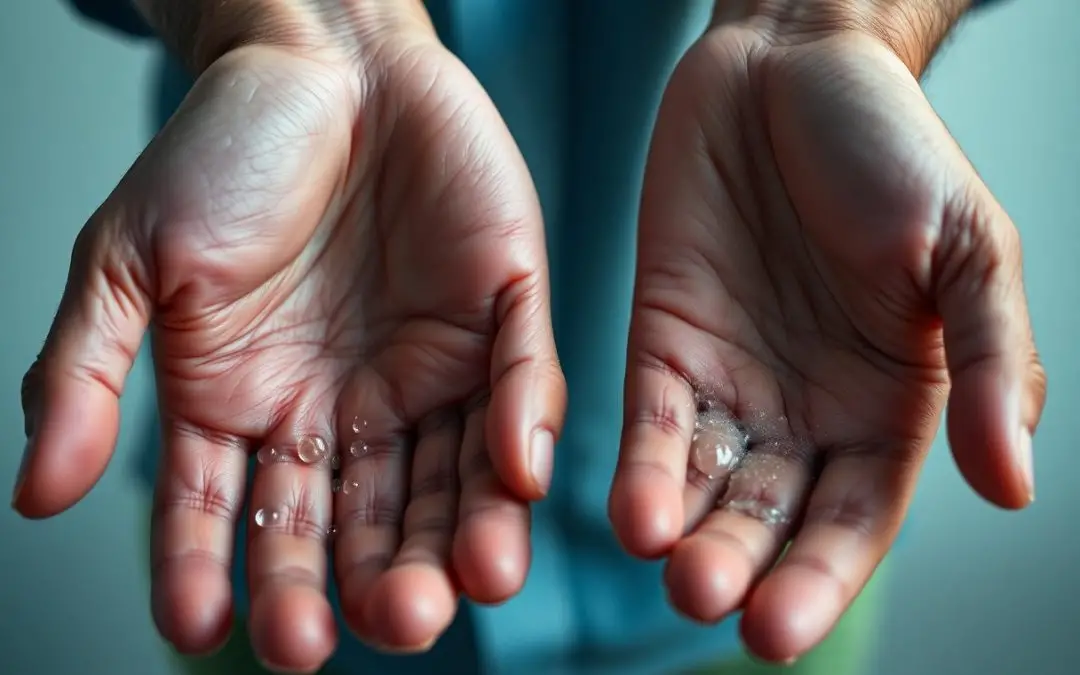
Treatment for hyperhidrosis can often feel overwhelming, but Botox offers a reliable and effective solution to help manage excessive sweating. If you find yourself struggling with unwanted sweat in social or professional settings, understanding how Botox works can empower you to regain control and boost your confidence. In this blog post, you will learn about the benefits of Botox in treating hyperhidrosis, how the procedure is performed, and what you can expect before, during, and after your treatment.
Understanding Hyperhidrosis
Before stepping into treatment options like Botox, it’s vital to understand hyperhidrosis, a condition characterized by excessive sweating. This condition can significantly affect your daily life, leading to discomfort and embarrassment. Hyperhidrosis can be localized or generalized, impacting various areas of your body.
Definition and Types
Understanding hyperhidrosis requires a closer look at its definition and types:
| Type | Description |
|---|---|
| Primary Hyperhidrosis | Occurs without an underlying medical condition. |
| Secondary Hyperhidrosis | Results from an underlying health issue or medication. |
| Localized Hyperhidrosis | Affects specific areas like palms, feet, or armpits. |
| Generalized Hyperhidrosis | Affects the entire body. |
| Functional Hyperhidrosis | Occurs extreme sweating triggering no known reason. |
The nature and type of hyperhidrosis can impact how you approach potential treatments.
Causes and Triggers
The causes of hyperhidrosis can vary widely, with some individuals experiencing the condition without any identifiable reason, while others may find a connection to specific triggers.
Also, environmental factors, dietary choices, or emotional stress may play a role in exacerbating your symptoms. Common triggers include spicy foods, caffeine, or engaging in physical activity. Understanding what influences your sweating can help you navigate your treatment options more effectively.
The Impact of Hyperhidrosis
The effects of hyperhidrosis extend far beyond excessive sweating, significantly influencing your daily life. This condition can hinder your ability to participate in various activities and lead to physical discomfort, creating barriers in both personal and professional environments. As you manage hyperhidrosis, the consequences can become pervasive, affecting your overall wellbeing and quality of life.
Physical Effects
On a physical level, hyperhidrosis can lead to constant discomfort and skin issues, such as rashes or infections. The persistent moisture creates an environment conducive to bacterial and fungal growth, resulting in further complications. Additionally, you may experience difficulties in daily tasks, as wet hands can affect your grip and hinder your ability to complete simple actions like typing or holding objects.
Emotional and Social Consequences
Any individual dealing with hyperhidrosis might face emotional and social challenges that can impact their self-esteem and confidence. You may find yourself avoiding social situations, fearing judgment or embarrassment due to excessive sweating. This avoidance can create feelings of isolation and anxiety, affecting your relationships with friends, family, and colleagues.
Impact from these emotional and social consequences can be profound, as they often lead to a withdrawal from activities you once enjoyed. You might feel misunderstood or frustrated, and the fear of judgment can keep you from fully engaging in your life. Over time, this isolation can result in heightened anxiety and depression, affecting your overall mental health. Acknowledging these challenges is the first step toward finding effective treatments, and addressing hyperhidrosis can pave the way for a more confident and fulfilling life.
Overview of Treatment Options
Some common treatment options for hyperhidrosis include lifestyle changes, traditional methods, and emerging technologies. Understanding these alternatives can empower you to make informed decisions tailored to your needs. Each option varies in effectiveness, duration, and side effects, so exploring all available solutions is important for managing excessive sweating effectively.
Traditional Methods
Before considering advanced treatments, you can explore traditional methods such as antiperspirants, medications, and lifestyle adjustments. Over-the-counter and prescription antiperspirants containing aluminum chloride can be effective for mild cases. Oral medications may help reduce sweating, while lifestyle changes such as wearing breathable fabrics can also assist in managing symptoms.
Emerging Technologies
Along with traditional options, innovations in medical technology have led to new treatments for hyperhidrosis. These emerging technologies aim to provide longer-lasting relief and minimize side effects, catering to those who seek alternatives to conventional methods.
Methods such as microwave therapy and iontophoresis show promise as they target sweat glands directly. Microwave therapy destroys sweat glands beneath the skin using heat, offering a semi-permanent solution, while iontophoresis involves passing a mild electrical current through water and into the skin’s surface to reduce sweating. Both approaches can be effective, providing unique options for individuals seeking to manage hyperhidrosis more effectively.
Botox as a Treatment for Hyperhidrosis
Despite the embarrassment and inconvenience caused by excessive sweating, Botox offers a viable solution for managing hyperhidrosis. This non-surgical treatment involves the injection of botulinum toxin into the affected areas, effectively blocking the nerves responsible for triggering sweat production. By opting for Botox, you can regain control over your body and improve your comfort in social and professional situations.
Mechanism of Action
At its core, Botox works by interrupting the communication between your sweat glands and the nerves that stimulate them. Once injected, the botulinum toxin inhibits the release of acetylcholine, a neurotransmitter that signals your sweat glands to produce sweat. As a result, the treated areas experience a significant reduction in perspiration, providing you with lasting relief from hyperhidrosis.
Effectiveness and Results
The results of Botox treatment for hyperhidrosis can be remarkably effective. Many patients notice a significant reduction in sweating within a few days of the procedure, with optimal results usually achieved within two weeks. This effect can last anywhere from three to six months, allowing you to enjoy a more comfortable and confident lifestyle.
Even after your initial treatment, regular follow-up sessions can help you maintain your results. Many individuals benefit from multiple treatments throughout the year, allowing you to keep excessive sweating at bay and enjoy your daily activities without the worry of sweat patches or odor. Your experience with Botox can be transformative, ultimately enhancing your overall quality of life and self-esteem.
The Procedure: What to Expect
Unlike many medical treatments that can cause anxiety, the Botox procedure for hyperhidrosis is quick and minimally invasive. The process typically involves your healthcare professional administering small injections directly into the affected area, targeting sweat glands. Most patients experience minimal discomfort, and you will usually notice the effects within a few days, with results lasting for several months. Overall, the procedure is designed to fit conveniently into your schedule, allowing you to resume your daily activities promptly.
Preparation and Consultation
With any medical treatment, proper preparation is important. During your consultation, your healthcare provider will discuss your symptoms and medical history to determine if Botox is suitable for you. They may recommend avoiding certain medications or supplements that can increase bleeding before the procedure. This is your opportunity to ask questions and address any concerns you may have, allowing you to feel informed and at ease.
Aftercare and Recovery
After your Botox treatment, you may experience mild swelling or bruising at the injection sites, but this generally resolves quickly. You can resume normal activities right away, though it’s advisable to avoid strenuous exercise and excessive heat for the first 24 hours. Following any aftercare instructions provided by your healthcare provider will help ensure optimal results.
Consequently, maintaining a consistent aftercare routine can greatly influence your recovery experience. Avoiding touching or massaging the treated area for at least 24 hours will help prevent the spread of the toxin to unintended areas. If you experience any unusual side effects or prolonged discomfort, you should contact your healthcare provider for guidance. By adhering to these recommendations, you’ll be well on your way to enjoying the benefits of reduced sweating and enhanced comfort in your daily life.
Potential Side Effects and Risks
All medical treatments carry some risks, and Botox for hyperhidrosis is no exception. Although generally safe, you may experience side effects such as localized pain, swelling, or bruising at the injection site. In rare cases, you could also face more serious reactions, including muscle weakness or difficulty swallowing. It’s important to discuss any concerns with your healthcare professional to ensure Botox is suitable for your specific situation.
Common Reactions
For most patients, the side effects of Botox are mild and temporary. Common reactions may include redness, swelling, or slight discomfort at the injection site. These symptoms usually resolve within a few hours to a few days, and do not typically require any additional treatment. Monitoring your body’s reactions post-injection can help you identify how your body is responding to the treatment.
Long-term Considerations
Against any treatment, including Botox, it’s vital to consider its long-term implications. While many individuals achieve relief from excessive sweating for several months, repeated treatments are necessary and may lead to changes in your body’s response over time. This can sometimes result in reduced effectiveness or an increased likelihood of side effects, and it’s imperative to evaluate the cost and time commitment of ongoing treatments.
This ongoing nature of Botox treatment necessitates regular check-ins with your healthcare provider. As you continue with Botox, your doctor will monitor its effectiveness and any side effects you may have, adjusting the plan as needed. It’s also important to weigh the benefits against the potential for adaptive changes in your body’s sweat response, helping you make an informed decision regarding long-term use.
Summing up
From above, it’s clear that Botox provides a highly effective solution for managing hyperhidrosis. By targeting the underlying causes of excessive sweating, you can regain control and enjoy improved comfort in daily activities. As you consider this treatment, understanding its benefits and process will empower you to make an informed decision tailored to your needs. Your journey from sweat to serenity begins with the right knowledge and support.