
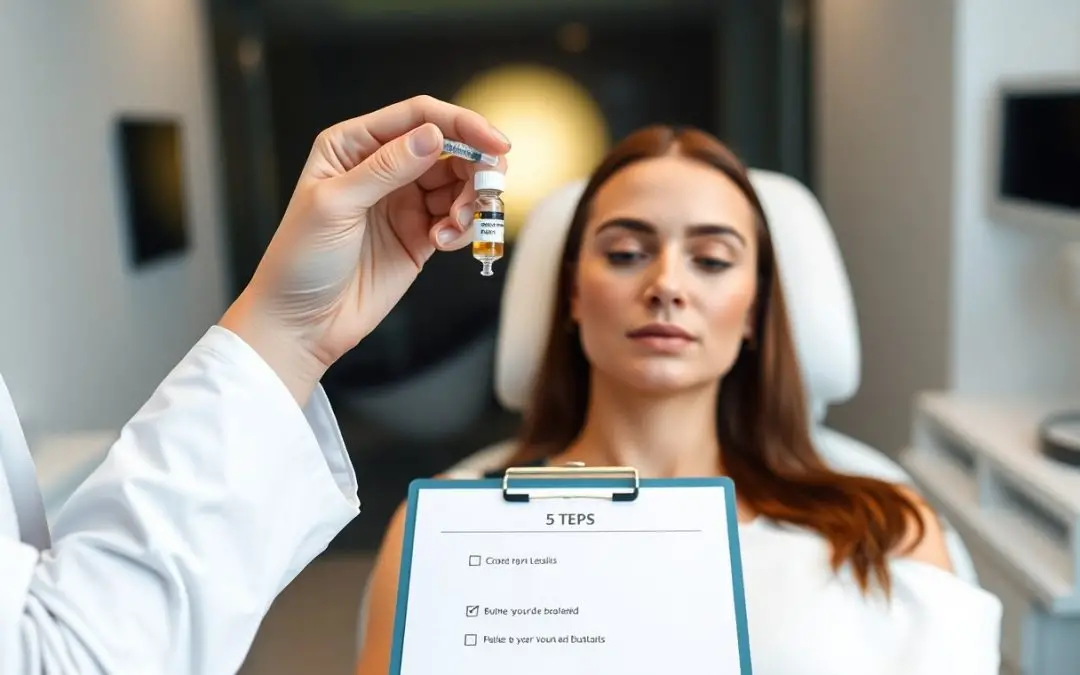
Guide: you will learn five concise steps to prepare, select a qualified provider, set realistic goals, maximize treatment safety, and follow effective aftercare to achieve predictable, professional results.
Step 1: Selecting a Qualified Medical Professional
You should choose a board-certified clinician who specializes in injectables, works in a medical setting, conducts thorough consultations, and explains risks, expected results, and follow-up care before booking treatment.
Verifying Board Certification and Clinical Experience
Check that certification is current, confirm state medical license, review formal training in facial anatomy and injectables, and ask about complication records or malpractice history before you proceed.
Assessing the Practitioner’s Aesthetic Philosophy and Portfolio
Review the practitioner’s portfolio and ask whether you see consistent, natural results across varied ages, angles, and unedited photos that match your goals.
Look beyond single “best” images: request multiple before-and-after sets with timestamps, varied lighting, and close-ups of treated areas so you can judge consistency. Ask how the practitioner balances movement and softness, how they adjust dosing for your facial anatomy, and whether they start conservatively with planned touch-ups. If possible, speak with past patients about recovery, longevity, and satisfaction.
Step 2: Conducting a Thorough Clinical Consultation
You review medical history, allergies, medications, prior treatments, and aesthetic goals to form a safe, personalized treatment plan that aligns with your lifestyle and timeline.
Establishing Realistic Expectations and Desired Outcomes
Clarify realistic goals and timeline with your provider so you understand likely outcomes, trade-offs, and maintenance needs, ensuring the plan matches how you want to look and feel.
Analyzing Facial Anatomy and Muscle Dynamics
Assess how your muscles move, skin thickness, and bone structure to guide targeted dosing, placement, and technique that preserve natural expression while addressing specific concerns.
Detailed assessment at rest and during animation reveals asymmetries, compensatory hyperactivity, and scar-related restrictions, allowing precise mapping of units, depth, and injection points so you retain movement and achieve balanced, predictable results.
Step 3: Strategic Pre-Treatment Preparation
You should complete specific pre-treatment steps: disclose medications, plan hydration, avoid alcohol and intense exercise 24-48 hours before, and follow your clinician’s timing for supplements to reduce bruising and ensure smooth injections.
Managing Medications and Supplements to Minimize Bruising
Consult your provider about prescription drugs and OTC supplements that raise bleeding risk; stop or pause aspirin, NSAIDs, fish oil, vitamin E, and herbal anticoagulants according to medical advice to minimize bruising.
Optimizing Skin Health and Hydration Before the Procedure
Maintain optimal skin hydration and gentle care: increase water intake, use a mild cleanser, apply a non-irritating moisturizer, and protect skin with broad-spectrum SPF to reduce inflammation and improve injection outcomes.
Apply a short pause on strong actives such as exfoliating acids and retinoids several days before your appointment, and avoid facials or chemical peels nearby; consult your clinician for exact timing based on your skin and treatments.
Step 4: Understanding the Precision Injection Process
You should expect targeted, measured injections that treat specific muscles while preserving natural expression; practitioners use minimal effective doses, strategic placement, and precise depth control to minimize bruising and optimize outcomes.
Advanced Mapping and Dosage for Natural Results
Your injector will map facial anatomy, assess muscle strength, and calculate micro-doses tailored to your symmetry, producing subtle movement and natural-looking results with minimal product.
- Assess muscle dynamics and asymmetries
- Mark injection points and angles
- Determine micro-doses per site
- Plan follow-up adjustment
Advanced Mapping Overview
| Factor | How it affects you |
|---|---|
| Muscle strength | Higher strength needs increased but targeted dosing |
| Skin thickness | Influences depth and volume of injections |
| Facial symmetry | Guides asymmetrical dosing to balance movement |
Prioritizing Patient Comfort and Safety Standards
Comfort measures keep you relaxed and protected: topical anesthetics, gentle technique, aseptic prep, and post-care guidance combine to reduce pain and complications while the clinician monitors you closely.
Protocols require that you complete a medical history and screening, receive clear informed consent, and are monitored during and after injections; clinicians maintain sterile technique, document exact doses and sites, have emergency medications on hand, and schedule prompt follow-up to address swelling, bruising, or asymmetry.
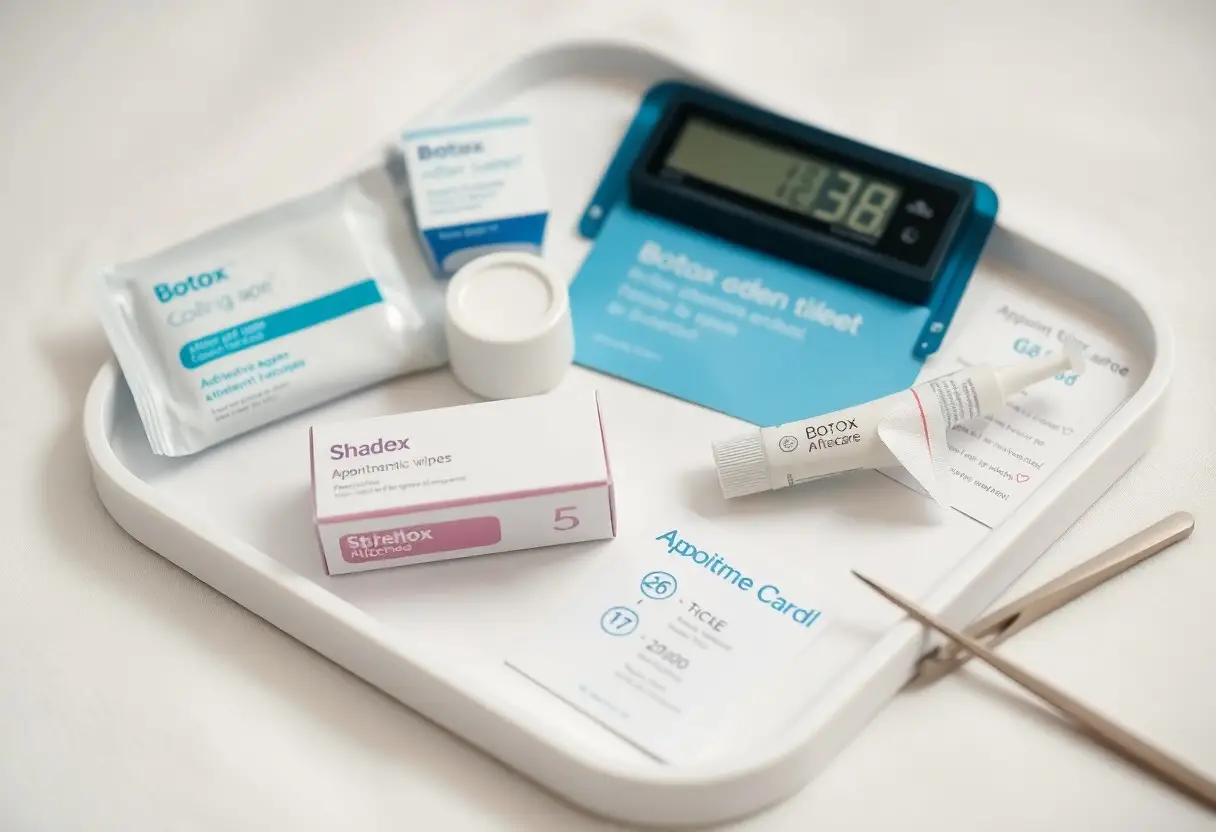
Step 5: Implementing Diligent Aftercare Protocols
Aftercare preserves your outcome and lowers complication risk; follow your injector’s instructions on sleep posture, activity limits, and topical care, and report unexpected pain or asymmetry promptly to ensure a smooth recovery.
Immediate Post-Injection Behavioral Guidelines
Within the first 24 hours you should avoid rubbing the treated area, strenuous exercise, alcohol, and saunas; apply brief cold packs and remain upright to minimize bruising and migration.
Long-Term Maintenance Schedules for Sustained Results
Schedule follow-ups every three to four months initially, then extend intervals as your results stabilize; discuss dose adjustments, targeted touch-ups, and timing around events with your provider.
Monitoring your response over consecutive treatments helps you and your injector tailor timing and dosing; factors like metabolism, muscle strength, product type, injection technique, and lifestyle habits alter duration. Keep dated photos, note symptom onset, and plan touch-ups before visible relapse to maintain consistent, natural-looking results.

Summing up
To wrap up, follow pre- and post-care guidance, choose a qualified injector, set realistic goals, start with conservative dosing, and attend follow-up visits so you achieve natural, lasting results while minimizing risks.