
Most people consider Botox as a tool for anti-aging, but the approach to treatment can vary significantly depending on your age. As you move through your 20s, 30s, 40s, and 50s, your skin undergoes different changes, affecting your concerns and goals for Botox. Understanding how these age-related transformations impact your skin can help you make informed decisions about when to start, how much to use, and what areas to target, ensuring you achieve natural-looking results at every stage of your life.
Understanding Botox
The world of Botox can be overwhelming, but it’s vital to grasp its fundamentals. As a non-surgical treatment, Botox has become popular for reducing the appearance of fine lines and wrinkles. It allows you to maintain a youthful look with minimum downtime, making it accessible for anyone looking to enhance their appearance safely.
What is Botox?
On its surface, Botox is a brand name for botulinum toxin, a substance derived from the bacterium Clostridium botulinum. This powerful neurotoxin is diluted and used in small amounts to temporarily relax the muscles responsible for facial wrinkles, providing a smoother complexion.
How Botox Works
At its core, Botox works by blocking the signals from nerves to muscles. When injected into targeted areas, it prevents muscle contractions, which reduces the ability to create wrinkles. This process gives you a more relaxed appearance, making it especially effective for dynamic wrinkles like crow’s feet and frown lines.
Considering the mechanism of Botox, it’s important to understand that the effects are not instantaneous. You may notice gradual improvements over a few days as the muscle relaxation takes effect. Typically, results last three to six months, depending on individual factors and treatment area. Regular sessions may help maintain your desired look, allowing you to manage aging effectively and confidently.
Botox in Your 20s
Clearly, your 20s represent a unique time in your life where the focus is often on self-discovery and embracing youth. While many people view Botox as a treatment reserved for older generations, an increasing number of individuals in their 20s are opting for this procedure to maintain their youthful appearance. Conversations about aesthetics and self-care are becoming more prevalent, making Botox a popular option for those looking to enhance their natural beauty and prevent signs of aging before they start.
Preventative Treatments
Before considering Botox in your 20s, you may want to explore the concept of preventative treatments. Many people choose to start early as a proactive approach to minimize the development of fine lines and wrinkles. By addressing muscle movement before it becomes deeply etched into your skin, you can potentially prolong your youthful look and feel more confident about your appearance.
Common Concerns
Below are some common concerns that may arise when considering Botox at this stage of life. You might worry about the potential side effects, the cost, or whether starting early may lead to over-reliance on cosmetic procedures in the future. Additionally, there can be societal pressure to maintain a “flawless” appearance, which may lead you to ponder if Botox aligns with your personal values.
This is understandable as you navigate your beauty choices. It’s vital to weigh the pros and cons of Botox in your 20s and reflect on your motivations. If you decide to proceed, seek out a qualified professional who prioritizes your goals and well-being. Understanding the long-term implications and establishing a solid foundation of care can help you make an informed decision that aligns with your aesthetic aspirations.
Botox in Your 30s
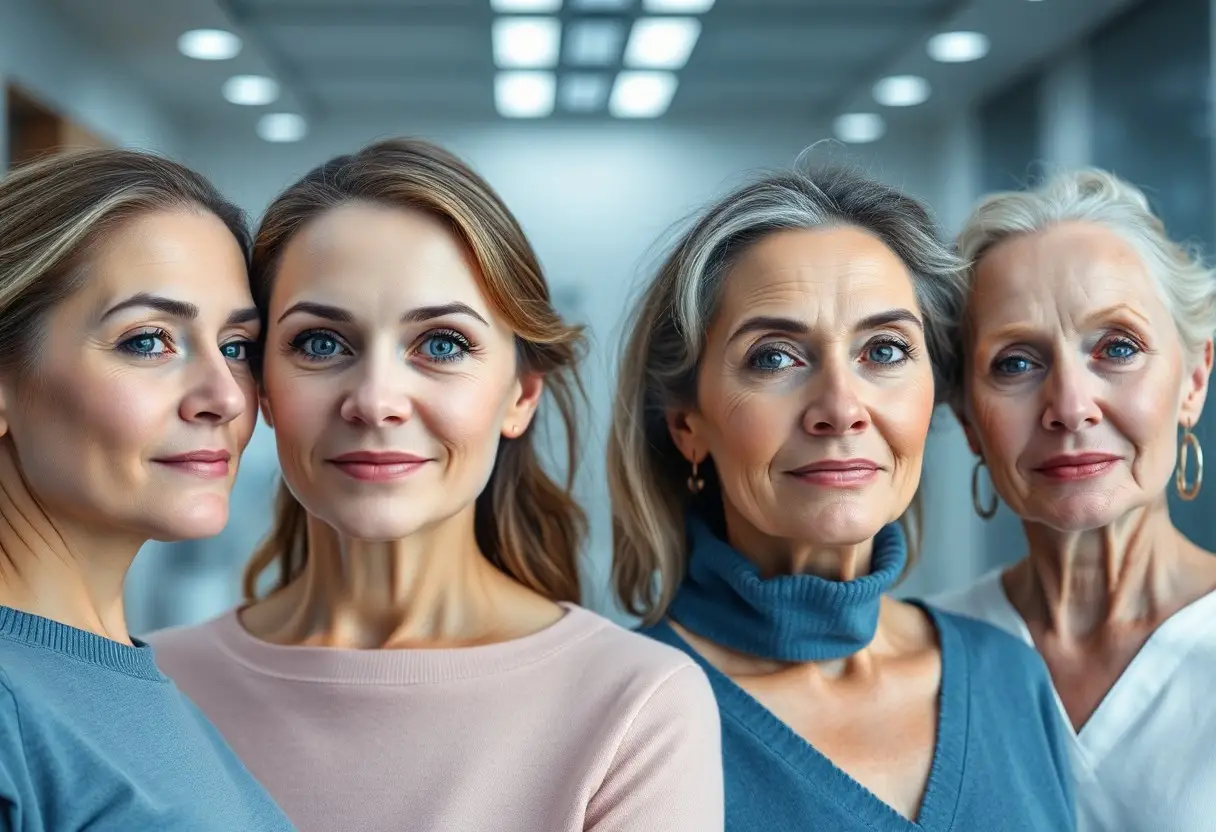
Unlike your 20s, when the focus may have been on prevention, your 30s often bring the first noticeable signs of aging. During this decade, you may start to see fine lines and wrinkles forming, particularly on your forehead and around your eyes. This shift in skin vitality may prompt you to consider Botox as a proactive approach to maintain a youthful appearance and ease any emerging concerns.
Addressing Early Signs of Aging
An effective strategy for addressing early signs of aging involves incorporating Botox into your skincare routine. In your 30s, you might notice that the skin’s elasticity is beginning to wane, and lines from repetitive movements may be more noticeable. Professional treatments can help smooth these early wrinkles, giving your face a refreshed and vibrant look.
Popular Areas for Treatment
Early in your 30s, you might find that certain areas of your face are particularly popular for Botox treatment. Common targets include the forehead, crow’s feet around the eyes, and frown lines between your brows. By focusing on these areas, you can achieve an overall rejuvenated appearance that maintains your natural expressions.
Understanding the popular areas for Botox treatment in your 30s can empower you to make informed decisions. The forehead is frequently treated to soften horizontal lines; crow’s feet are addressed to minimize the appearance of aging around the eyes; and frown lines can be smoothed to alter any look of frustration. By targeting these areas, you can enhance your facial aesthetics while still retaining your individual expressions.
Botox in Your 40s
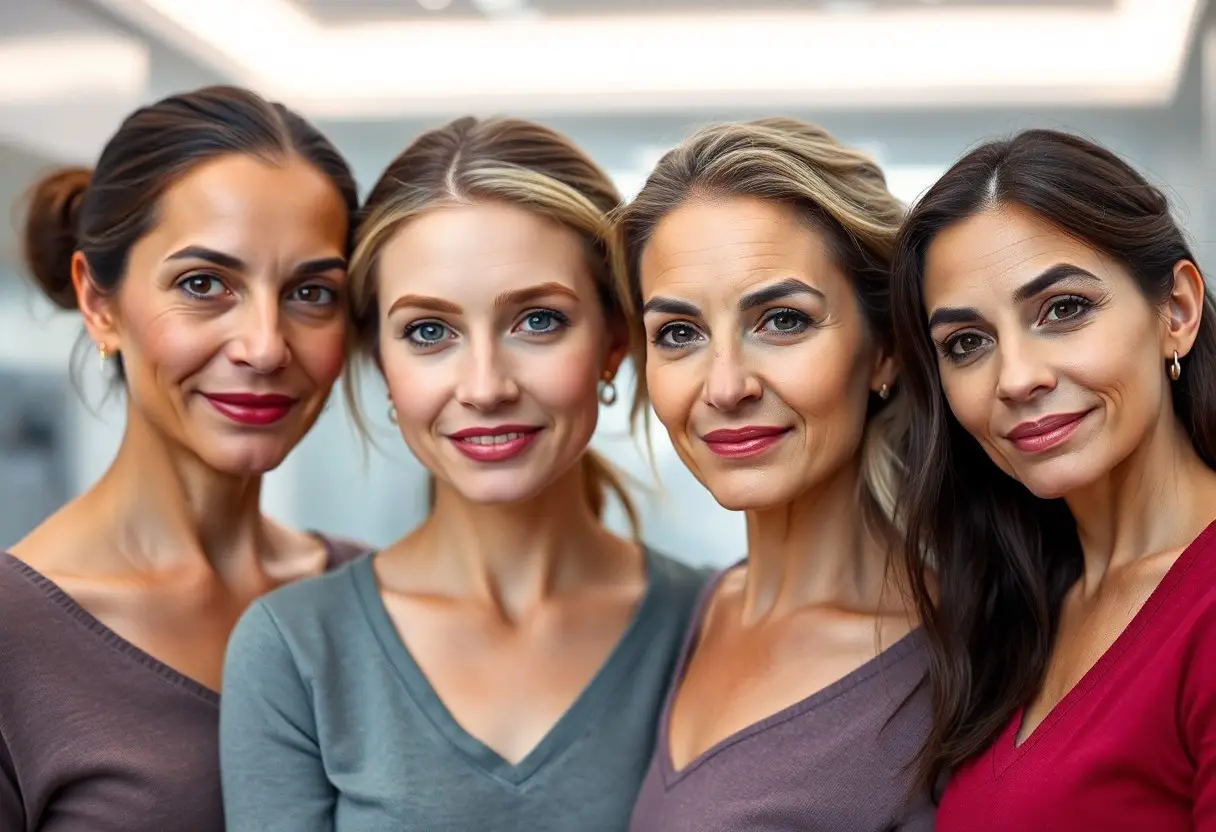
Many individuals in their 40s begin to notice deeper lines and wrinkles, particularly around the forehead, eyes, and mouth. While Botox continues to be a popular option to soften these signs of aging, the approach often shifts to accommodate the changes in your skin’s elasticity and overall facial appearance. Your skin may require a more customized treatment plan that not only targets expression lines but also supports your skin’s health and hydration as it matures.
Adjusting Treatment Approaches
Adjusting your treatment approach in your 40s involves a more personalized regimen. A qualified practitioner will assess your unique needs, focusing not just on wrinkle reduction but also on maintaining overall facial volume and elasticity. This may include adjusting the dosage or frequency of Botox injections while considering other factors like skin texture and lifestyle changes that occur during this decade.
Combining Treatments
With the potential for more pronounced signs of aging, combining Botox with other treatments can yield optimal results. This often means integrating dermal fillers, lasers, or skin rejuvenation techniques alongside your Botox sessions. By doing so, you can achieve a balanced improvement in both dynamic and static wrinkles, as well as overall skin vitality.
A well-rounded approach can enhance your overall appearance by addressing multiple aspects of aging simultaneously. By incorporating fillers to restore lost volume, or laser treatments to improve skin texture, you can create a more youthful and refreshed look. This synergy of treatments empowers you to tailor your anti-aging strategy to best meet your evolving needs and preferences during this vibrant decade of life.
Botox in Your 50s
Once again, you may notice significant changes in your skin as you enter your 50s. Collagen production decreases, leading to more pronounced wrinkles and fine lines. Botox can still be an effective tool for maintaining a youthful appearance, targeting deep-set lines and areas of concern that may have developed over the years. Your treatment may be more tailored now, focusing on balancing refreshment with a natural look, as avoiding an overly frozen appearance becomes increasingly important.
Longevity and Results
By the time you reach your 50s, you might find that Botox results last longer compared to your earlier decades. This could be due in part to your skin’s response to the treatment and how well it retains elasticity. However, it’s vital to have realistic expectations, as individual experiences may vary based on skin condition and lifestyle factors. Regular maintenance can help prolong results and create a more consistent rejuvenated appearance.
Considerations for Mature Skin
An important factor in your 50s is how Botox interacts with mature skin. The skin may be thinner and less resilient, meaning that targeted treatments should be adjusted based on your unique needs. Practitioners often recommend combining Botox with other treatments to enhance skin quality and overall results, ensuring a holistic approach to your skincare routine.
Skin in your 50s tends to show the effects of aging more visibly, making it vital to consider its changing texture and elasticity when opting for Botox. You may want to consult a specialist who understands the nuances of mature skin to achieve the desired results without compromising your natural look. Incorporating hydration and nourishing treatments alongside Botox can bolster your skin’s health and improve treatment efficacy, allowing you to embrace aging gracefully.
Choosing the Right Practitioner
All successful Botox treatments begin with selecting the right practitioner. This choice is vital for ensuring safety, effectiveness, and attaining your desired results. Look for a qualified professional who specializes in cosmetic injectables and has a strong reputation in the community. Personal recommendations from friends or family can also help guide your decision.
Factors to Consider
Choosing the perfect expert for your Botox procedure involves several factors:
- Qualifications and credentials
- Experience with Botox specifically
- Facility safety and cleanliness
- Patient reviews and testimonials
- Consultation approach and communication style
This combination will help you feel more confident in your decision.
Questions to Ask
Choosing the right practitioner means asking the right questions during your consultation. Be sure to inquire about their training, the number of Botox procedures they have performed, and their specific techniques. Understanding your practitioner’s approach to aesthetics, follow-up procedures, and any potential side effects is also vital. You should feel comfortable discussing your goals and concerns, ensuring you receive personalized care tailored to your unique needs.
Understanding these elements will empower you to make an informed decision and find a practitioner who aligns with your expectations. Ask for before-and-after photos, and ensure you discuss any medical history that could influence your treatment. A knowledgeable practitioner will appreciate your thoroughness and will be eager to provide comprehensive answers and support.
Summing up
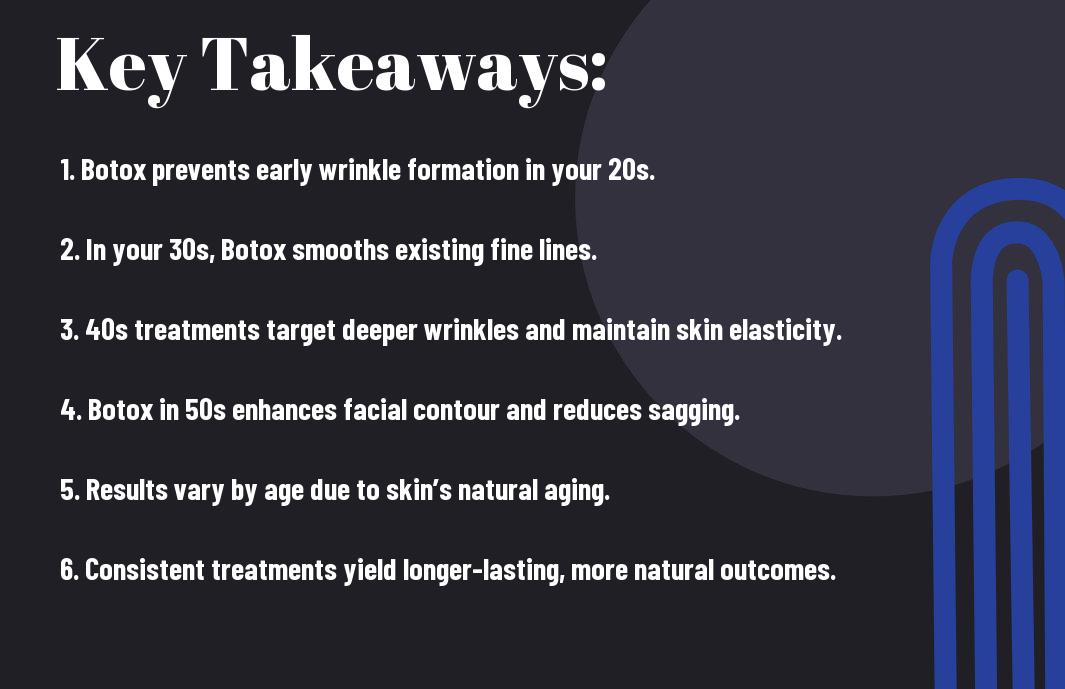
Drawing together your journey through the various decades, it’s clear that the influence of Botox evolves as you age. In your 20s, it serves as a preventive measure; in your 30s, it addresses the first signs of aging; by your 40s, it’s effective in treating deeper lines; and in your 50s, it can help maintain a youthful appearance. Understanding these changes allows you to tailor your skincare and aesthetic approach, ensuring your choices align with your preferences and goals at every stage of life.