

Over the course of preparing for your first Botox appointment, you may have many questions and even some apprehension. Understanding what to anticipate can help ease any concerns you might have. From the initial consultation where your goals will be discussed, to the actual procedure and aftercare, knowing every step is key to ensuring a positive experience. In this post, you will learn about the process, common techniques, and tips to maximize your results, ultimately empowering you to approach your appointment with confidence.

Your Pre-Appointment Checklist
Before your Botox appointment, a few preparations can ensure a smoother experience. Schedule a consultation with your practitioner, and consider any skin treatments or medications you might currently be using. Avoid blood thinners such as ibuprofen or aspirin for at least a week prior to your appointment, as this can minimize bruising. Lastly, take photos of the areas you’d like to discuss, so you can effectively communicate your desired outcomes.
Essential Questions to Ask Your Practitioner
Clarifying any uncertainties can enhance your confidence in the procedure. Inquire about the practitioner’s experience with Botox, how many treatments they have performed, and their recommended dosage for your specific needs. Questions about potential side effects, recovery time, and what to expect afterward will also help set realistic expectations for your results.
Gathering Medical History and Personal Goals
Essential to your consultation is sharing your medical history and outlining your personal goals. Your practitioner needs to understand any previous cosmetic treatments, allergies, and health conditions that could affect your Botox experience. Discussing how you envision your results will allow your provider to tailor the treatment to your specific needs, ensuring a more satisfying outcome.
Detailing your medical history helps the practitioner assess any potential risks associated with Botox. For instance, conditions like neuromuscular disorders may require special consideration. Your personal goals should also be well-articulated; whether you’re seeking a subtle lift or a more significant change, being clear about your expectations enables your practitioner to recommend the most effective approach, including dosage and technique. This thorough exchange establishes a foundation for a successful partnership focused on achieving the best results for you.
The Experience of Your First Injection
How to Prepare Physically and Mentally
Arriving for your appointment feeling calm and collected makes a significant difference. Consider avoiding blood thinners like alcohol, NSAIDs, and fish oil for a few days before your injection to minimize any potential bruising. Mentally, it’s beneficial to gather information on Botox, know what to expect regarding results and side effects, and communicate any concerns or questions to your practitioner. Taking a moment for deep breathing exercises can also help settle any nerves you may have.
What Happens During the Procedure
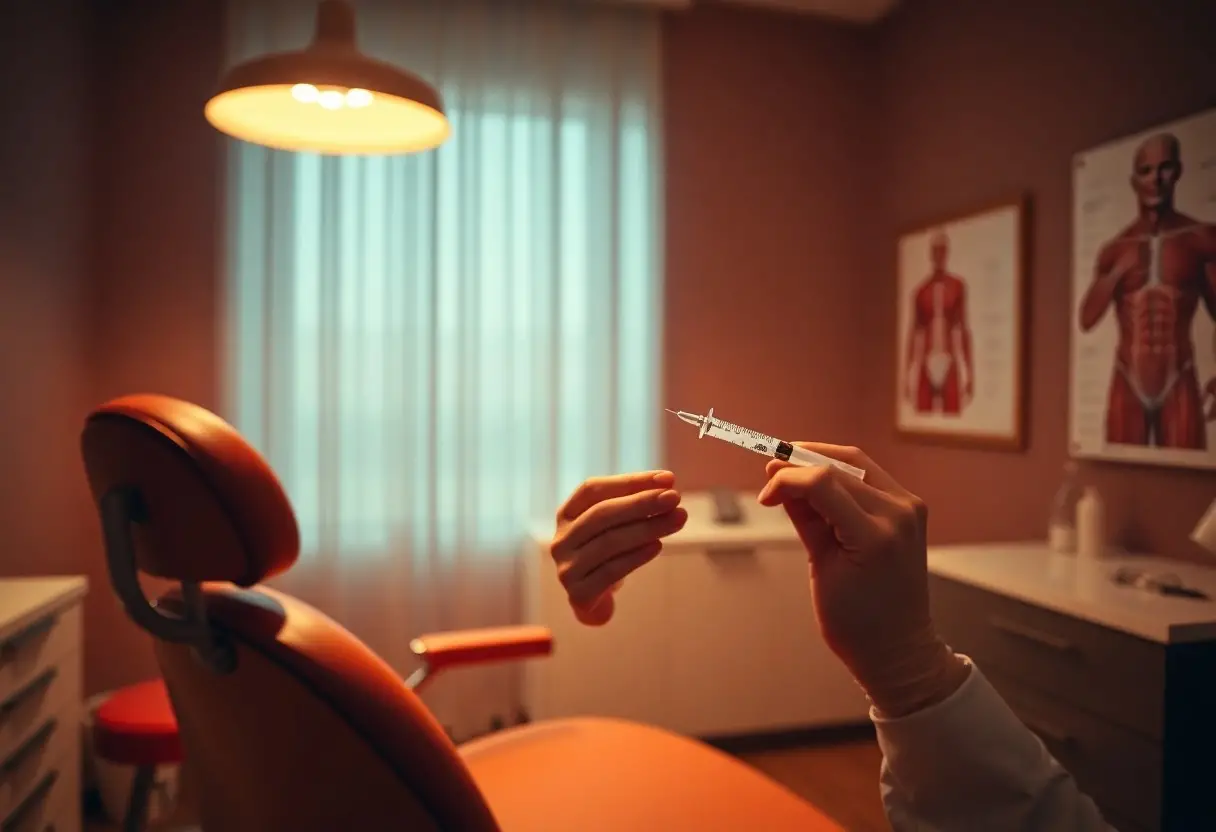
Your first Botox injection generally follows a straightforward and comfortable process. Once you’re settled, a trained professional assesses your facial areas to ensure targeted treatment. The areas to be injected are marked, and a topical anesthetic may be applied to minimize discomfort. Using a fine needle, the practitioner administers precise doses of Botox into the specified muscles. Each injection takes mere seconds, and most patients report feeling only a slight pinch.
During the procedure, your practitioner maintains open communication, explaining each step to ensure you feel informed and at ease. You may notice minor pressure or a brief sting with each injection, but this is typically tolerable. The total appointment usually lasts between 15 to 30 minutes, allowing you to quickly return to your daily activities after. Post-injection, you’ll receive aftercare instructions to help maximize your results and minimize any side effects, laying the groundwork for your journey toward a refreshed appearance.
Demystifying the Aftercare Process
After your Botox appointment, understanding the aftercare process helps ensure the best results and minimizes unwanted effects. Following a few simple guidelines can make a significant impact, and knowing what to expect will provide peace of mind as you move forward. Adhering to these post-treatment instructions fosters a smoother recovery and enhances your overall experience with Botox.
Navigating Immediate Post-Treatment Steps
In the first few hours after treatment, it’s wise to keep your head upright and avoid lying down, as this aids in the proper settling of the injected product. Refrain from vigorous exercise for at least 24 hours to prevent excessive swelling or bruising. Lightly massaging the treated areas isn’t typically allowed, as it can disperse the Botox away from the target muscles.
Recognizing Common Side Effects
Common side effects of Botox can include slight bruising, swelling at the injection sites, or a temporary headache. These symptoms generally resolve quickly and should not deter you from the positive outcomes of your treatment. Observing these effects helps you stay informed, allowing you to distinguish between normal responses and any potential complications.
Most side effects diminish within a few days, making them relatively minor in the grand scheme of your treatment. For instance, bruising typically occurs in about 10% to 20% of patients and generally resolves within a week. Swelling is often localized and can easily be managed with cold compresses. Headaches may occur in up to a third of individuals but usually do not last long and can often be alleviated with over-the-counter pain relief. Being aware of these reactions will enable you to approach your aftercare confidently, knowing that minor disturbances are normal and temporary during your recovery process.
Outcomes and Realistic Expectations
Setting realistic expectations is vital for your Botox journey. Most patients experience a noticeable reduction in fine lines and wrinkles within a few days post-treatment, but individual results may vary based on factors such as skin type, the area treated, and dosage. You may achieve a smoother, more youthful look, but it won’t create an entirely unlined face. Acknowledging this helps align your vision with the actual outcomes, ensuring a more satisfying experience overall.
Understanding the Timeline for Results
Results typically begin to appear within 3 to 5 days following your injection, with full effects manifesting in about two weeks. This gradual process allows the Botox to relax the muscles and smooth the skin beneath, achieving a natural, refreshed look. Each session can lead to increasingly long-lasting results, so initial visits may vary slightly in the full timeline of effects.
Signs Your Treatment is Working
Noticing certain changes after your Botox appointment indicates that your treatment is on the right track. Common signs include a visible softening of wrinkles and a smoother texture in the treated areas. You might also observe a more relaxed appearance that enhances your natural beauty without sacrificing expressiveness.
As the days progress post-treatment, you may find that dynamic wrinkles, such as crow’s feet or frown lines, become less pronounced, especially during facial movements. If you notice that you can still express yourself while experiencing an overall smoother appearance, your treatment is indeed effective. Each person’s experience may differ; keeping an open dialogue with your practitioner can help clarify any individual observations and concerns you may have.
Expert Insights: The Importance of Follow-Up
After your initial Botox appointment, a follow-up is vital for ensuring your results align with your expectations. A quick check-in allows your injector to assess the outcomes and address any concerns you may have regarding the treatment. During this follow-up, you can discuss your satisfaction levels and make adjustments if necessary. Statistics show that about 20% of patients opt for touch-ups to achieve desired results, highlighting the significance of ongoing communication with your provider.
Scheduling Subsequent Appointments
Scheduling your next appointment can be easily managed after your follow-up consultation. Typically, Botox effects last around three to six months, so timing your next session ensures your appearance remains refreshed. Your injector will recommend the best timeframe based on your treatment response and personal goals, helping you maintain those smooth results with minimal gaps in between sessions.
Tailoring Future Treatments to Individual Needs
Each person’s skin and muscle response to Botox varies, making it vital to tailor future treatments based on your individual needs. This customization ensures that the effects align perfectly with your aesthetic goals and evolving preferences. You may find that over time, adjustments in dosage or injection locations could enhance your results.
Future treatments should reflect any changes in your facial structure or skin condition, as well as your feedback on how the previous injections performed. For instance, some clients notice varying muscle movement or new areas of concern as they age. By maintaining an open dialogue with your injector, you can adjust your treatment plan to include a focus on specific areas such as crow’s feet or forehead lines, ensuring that your Botox experience consistently meets your expectations. Regular assessments can lead to enhanced outcomes, ultimately contributing to your confidence and satisfaction with your overall appearance.
To wrap up
With this in mind, you can approach your first Botox appointment with confidence and clarity. Your practitioner will guide you through the process, discussing your concerns and desired outcomes. Expect a brief consultation, followed by the treatment itself, which typically lasts only a few minutes. You may experience minor discomfort but should leave feeling optimistic about your results. By understanding what to expect, you can ensure a smoother experience and achieve the youthful, refreshed appearance you desire.