

It’s a clear, evidence-based seven-step approach to using Botox safely and effectively so you can reduce lines, maintain natural expression, and prolong youthful skin when guided by a licensed clinician.
Step 1: Selecting a Board-Certified Aesthetic Specialist
You must choose a board-certified aesthetic specialist with focused training in cosmetic injectables and a proven safety record to minimize risks and maximize natural-looking results.
Verifying Credentials and Clinical Expertise
Confirm that your specialist holds board certification, formal training in facial anatomy, current licensure, and ask about hospital privileges or specialty certifications tied to cosmetic injections.
Reviewing Before-and-After Patient Portfolios
Examine before-and-after photos to evaluate consistent, natural results and to find cases that closely match your age, skin type, and areas of concern.
Pay attention to lighting, camera angles, expression consistency, and the timeline noted for each photo; request unedited images and ask about patient satisfaction, any complications, and typical toxin units used for similar corrections so you can make an informed comparison.
Step 2: Conducting a Comprehensive Facial Consultation
During a comprehensive consultation, you’ll receive a full facial exam, medical history review, and expectations discussion to create a personalized, safe Botox plan.
Identifying Target Areas and Aesthetic Goals
Assessing wrinkle patterns, muscle activity, and facial balance lets you and your provider pinpoint target areas that match your aesthetic goals.
Determining the Optimal Dosage for Natural Results
Calculating dose considers muscle strength, prior Botox history, and desired expressiveness so you look refreshed but still natural.
You and your injector will discuss baseline muscle strength, previous response to neuromodulators, and any asymmetries; conservative initial dosing with follow-up touch-ups reduces stiffness risk while achieving subtle movement. Expect unit ranges tailored by area and adjustments at a two-week follow-up based on real movement and your comfort.
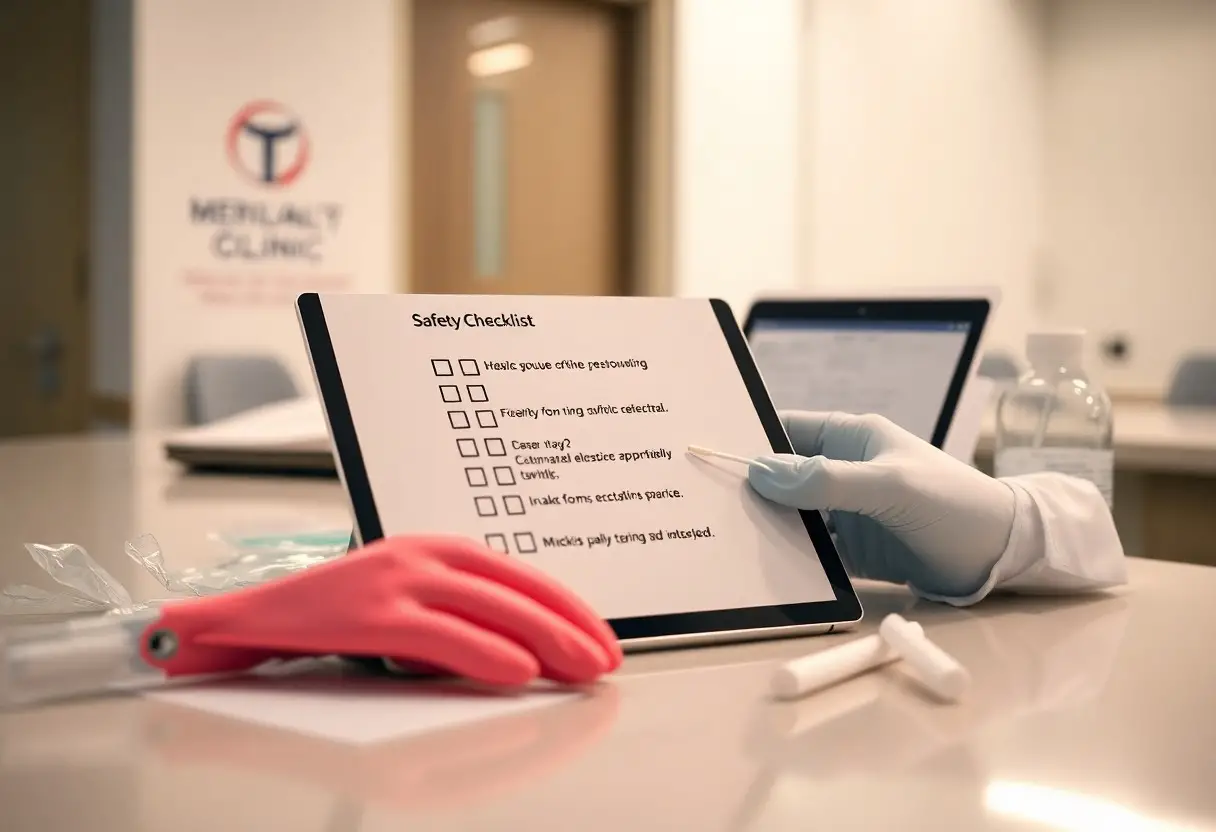
Step 3: Adhering to Pre-Treatment Safety Protocols
Follow your provider’s pre-treatment checklist, stop blood-thinning agents as advised, disclose your medical history, and confirm injection sites to minimize risks and optimize results.
Medications and Supplements to Avoid
Avoid aspirin, ibuprofen, fish oil, vitamin E, ginkgo, and high-dose multivitamins for 7-14 days unless your physician instructs otherwise, since they increase your bruising and bleeding risk.
Preparing the Skin to Minimize Bruising
Apply cold compresses before treatment, stop heavy exercise 24 hours prior, and avoid alcohol to lower bruising chances; inform your injector about past easy bruising.
Consider topical arnica or oral bromelain only after your provider’s approval; you should avoid vigorous facial treatments and maintain gentle care to speed healing and limit discoloration.
Step 4: Navigating the Precision Injection Process
You experience a careful, mapped injection process where your provider assesses muscle activity, adjusts dosages by area, and delivers tiny, targeted injections to soften lines while preserving expression; minimal downtime and clear aftercare follow.
Targeted Muscle Placement Techniques
Your injector pinpoints hyperactive muscles, uses conservative units per site, and angles injections to reduce dynamic wrinkles while maintaining natural movement; subtle improvement appears within days and full effect by two weeks.
Managing Comfort and Expectations During the Session
Expect a brief pinch at insertion sites, optional topical numbing, and a short session time; you will be informed about sensations, immediate care, and realistic timelines for visible results.
If anxiety or sensitivity concerns arise, tell your clinician before treatment so they can offer topical numbing, smaller aliquots, short breaks, or distraction techniques; you should receive a clear recovery checklist, signs to monitor, and direct contact details for questions or unexpected reactions.
Step 5: Implementing Strict Post-Procedure Aftercare
Aftercare requires that you follow strict instructions: avoid rubbing, apply cold packs, sleep with your head elevated, and attend scheduled follow-ups to protect results.
Essential Rules for Optimal Product Settling
Apply prescribed cleansers, and you should use cold compresses, avoid heat and heavy facial products, and postpone facials or peels so the product settles in the intended muscles.
Activities to Avoid to Prevent Treatment Migration
Avoid vigorous exercise, saunas, facial massages, lying face down, and alcohol for 24-48 hours so you reduce risk of treatment migration or unwanted muscle weakening.
Physical strain increases blood flow and muscle activity, so you should prioritize gentle movement and delay heavy lifting, hot yoga, intense cardio, and any pressure on injection sites for at least 24-48 hours; if you experience unusual drooping, asymmetry, or prolonged weakness, contact your clinician promptly.
Step 6 & 7: Evaluating Results and Establishing Maintenance
You should assess results at two weeks to spot areas needing touch-ups and confirm dosing accuracy; coordinate with your provider to set a maintenance plan that preserves natural movement and steady improvement.
The Timeline for Achieving Full Neuromodulator Effects
Expect mild softening within days, with full effects by two weeks and benefits typically lasting around three months; you should track progress and report any concerns to your clinician.
Coordinating Long-Term Treatment Cycles for Lasting Youth
Plan your treatment cycles every three to four months based on your metabolism and goals so you maintain results without over-treating; consult your provider before altering intervals.
Discuss long-term goals with your clinician, including desired longevity, expression preferences, and lifestyle factors that affect dosing. You should schedule periodic reviews after each cycle to fine-tune placement and amounts, and consider pairing neuromodulators with complementary treatments to extend results while reducing total injection frequency.
Conclusion
From above, you follow seven trusted steps: consult a qualified injector, set realistic expectations, disclose medical history, start conservatively, combine with proper skincare, schedule maintenance, and monitor outcomes to achieve youthful skin safely.