
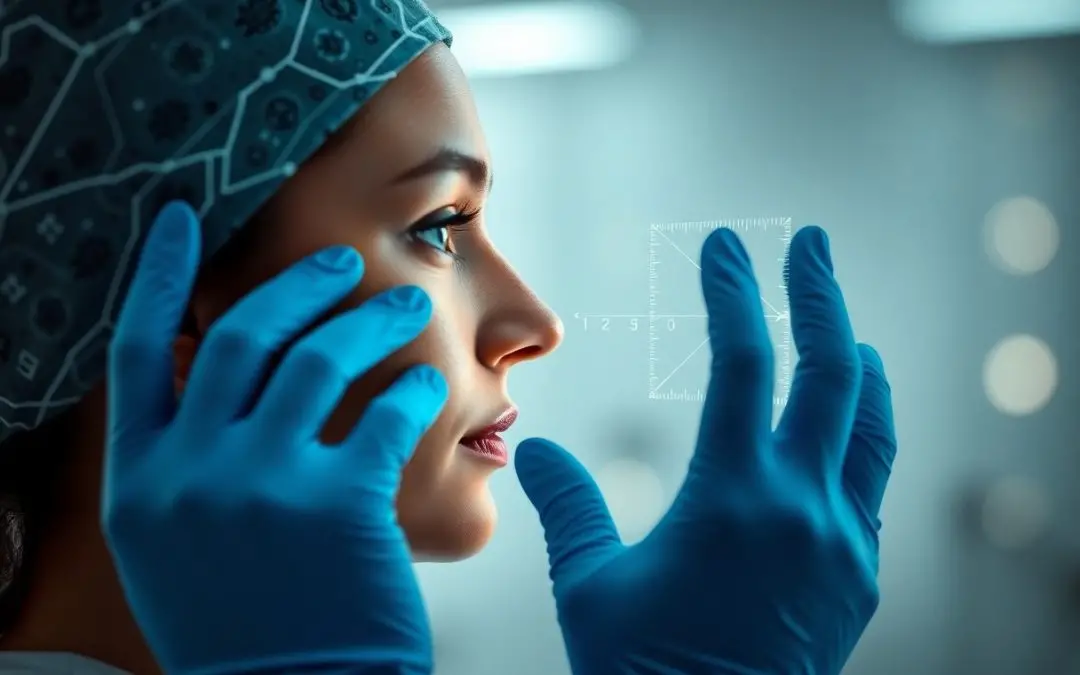
Most people can achieve natural-looking Botox results by following seven practical steps that guide your consultation, injector choice, dosage, injection sites, technique, follow-up care, and realistic expectations.
Selecting a Qualified Medical Professional
Choose a medical professional with board-certified credentials and facial aesthetic experience; you should prioritize conservative technique, clear communication, and a proven safety record to achieve natural-looking Botox.
Verifying Board Certification and Credentials
Confirm that your provider is board-certified in a relevant specialty, holds active medical licensure, and has no malpractice history; check state medical board records and ask to see certificates.
Evaluating Aesthetic Style and Portfolios
Review before-and-after photos, focusing on patients with similar features, and ask how the practitioner achieves subtle, natural outcomes without overfilling.
Ask to see multiple patients’ results taken at consistent angles and intervals; prefer sets that include close-ups and relaxed expressions so you can judge natural movement. Request the practitioner’s typical injection plan for your age and anatomy, and ask about revision policies and follow-up timing to ensure measured, controllable change.
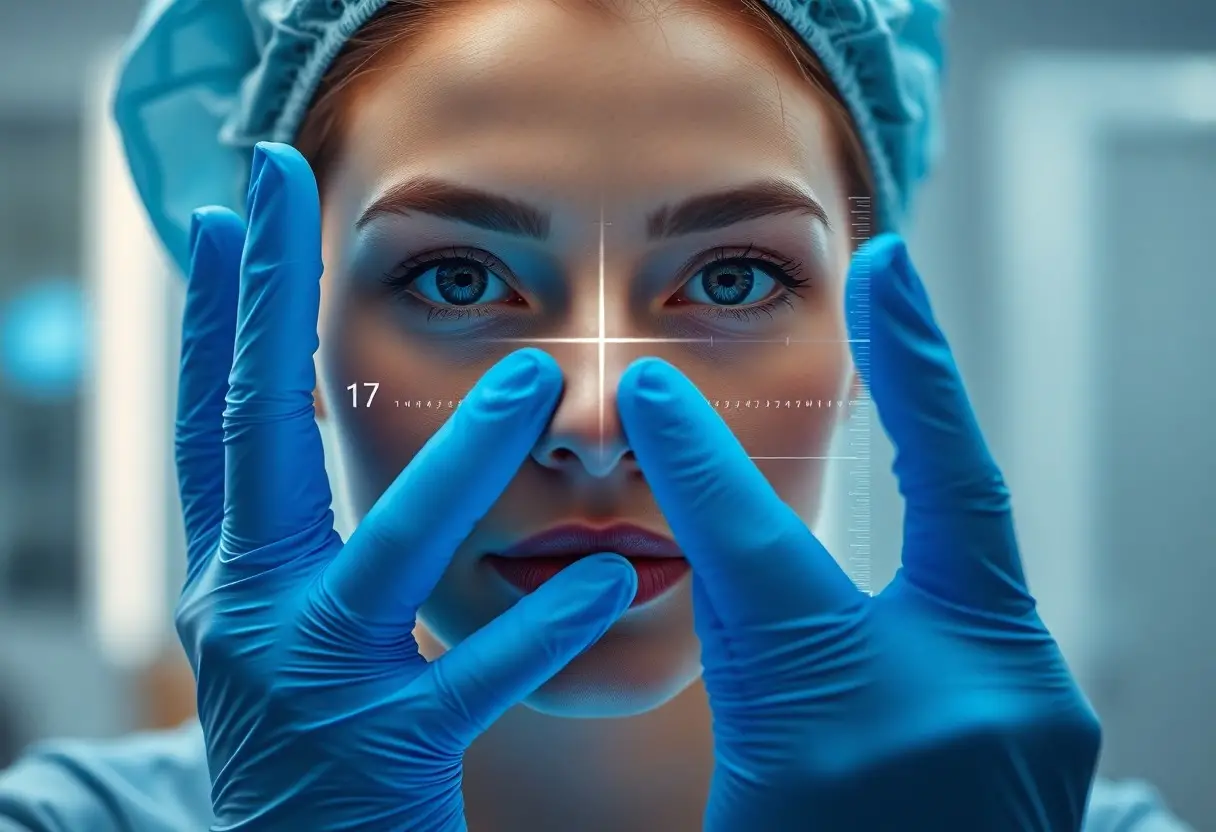
The Comprehensive Facial Analysis
You assess facial balance, symmetry, and dynamic muscle patterns to map ideal injection points and doses, preserving expression while targeting lines for a natural outcome.
Assessing Dynamic vs. Static Wrinkles
Begin by distinguishing wrinkles that appear only with movement from static creases at rest; you then choose neuromodulator placement for dynamic lines and fillers or resurfacing for static defects.
Customizing Treatment to Unique Anatomy
Evaluate bone structure, muscle strength, skin thickness, and asymmetries so you tailor dose, injection depth, and interval to match the patient’s facial architecture and expressive goals.
Consider conservative dosing in areas of high movement, staggered touch-ups to refine results, and precise microinjections near weaker muscles so you preserve expressivity while smoothing lines.
Adopting the “Less is More” Philosophy
You should choose conservative injection volumes and gradual adjustments so facial movement stays natural; discuss desired expressiveness with your clinician to smooth lines without losing animation.
Preventing the “Frozen” Appearance
Ask your clinician to target specific muscles and use minimal effective doses so you retain dynamic expressions; regular follow-ups let you fine-tune placements before results become excessive.
Utilizing Micro-Dosing Techniques
Consider micro-dosing to achieve subtle softening while preserving movement; tiny, spaced injections let you build results slowly and stop when you reach a natural look.
Micro-dosing allows you to apply very small units across several sites so corrections are incremental and reversible. You will typically return after two weeks for assessment and top-ups, letting your injector fine-tune symmetry without over-treating. Choosing a practitioner skilled in precise placement and conservative unit selection minimizes bruising and extends natural results.
Strategic Injection Site Placement
Precision in choosing injection sites ensures you retain natural expression while targeting specific muscles; conservative dosing and proper spacing prevent over-relaxation and asymmetry.
Balancing Agonist and Antagonist Muscles
Understanding how agonist and antagonist muscles interact helps you achieve balanced movement, allowing selective weakening so opposing muscles preserve natural dynamics and reduce brow droop risk.
Maintaining Brow Symmetry and Movement
Targeting injections symmetrically and tailoring doses helps you maintain expressive mobility while correcting asymmetry, with conservative adjustments guided by real-time movement testing.
Regular dynamic assessment during animation lets you mark asymmetries; you should start lower on the weaker side, use micro-doses for refinement, and plan brief follow-ups to fine-tune elevation without overcorrection.
Pre- and Post-Treatment Protocols
Careful planning helps you reduce complications: follow medication, alcohol, and supplement guidelines, avoid intense exercise for 24 hours, and attend follow-up appointments to assess results and adjustments.
Minimizing Bruising and Swelling Risks
Ice the treated area intermittently for the first 24 hours, skip strenuous activity, and pause blood-thinning supplements and NSAIDs as your provider advises to lower bruising and swelling risk.
Essential Aftercare for Optimal Diffusion
Keep your head propped, avoid rubbing or lying flat for four hours, and use gentle facial movements to encourage even product diffusion.
Follow post-care instructions such as delaying exercise for 24-48 hours, skipping facial treatments and saunas for several days, avoiding alcohol, and contacting your provider promptly for unexpected asymmetry or drooping to ensure safe, predictable diffusion.
Long-Term Maintenance and Timing
Plan your maintenance around consistent intervals, often every three to four months, and adjust timing based on how long your results last and your cosmetic goals.
Establishing a Sustainable Treatment Cycle
Set modest doses with predictable scheduling to preserve natural movement; coordinate with your clinician to match sessions to your lifestyle and response rate.
Knowing When to Schedule Refinements
Monitor early signs of fading or asymmetry and book light touch-ups before full loss of effect to keep continuity without increasing overall dose.
Consider tracking how quickly movement returns after each session and bringing progress photos to appointments so your clinician can fine-tune placement and units. You should favor subtle refinements over large corrections to maintain natural results and limit total product used over time.
To wrap up
So you can achieve natural-looking Botox by choosing an experienced injector, setting realistic goals, starting conservatively, communicating clearly about facial dynamics, following aftercare, and scheduling follow-ups to refine results.