
With clear pre-appointment steps and informed questions, you can reduce complications, optimize results, and recover faster after Botox; follow practical guidance on medications, alcohol, skincare, and setting realistic expectations.
Professional Consultation and Goal Setting
Your consultation lets you review medical history, discuss expectations and risks, and set realistic treatment goals with the provider to ensure a safe, tailored Botox plan.
Selecting a Qualified Licensed Injector
Choose a licensed injector who shows credentials and before-and-after results, explains risks clearly, and answers your questions so you can trust their technique and safety standards.
Defining Your Aesthetic Objectives
Define which areas you want treated, how natural you want results, and any timelines so your injector can recommend dose and placement that align with your look.
When you specify priorities-subtle softening versus noticeable change, target zones, and recovery timing-the injector maps muscle dynamics, recommends units and placement, and outlines follow-up to align results with your expectations.
Managing Medications and Supplements
Before your appointment, list all medications and supplements and ask your provider which to stop-especially NSAIDs, aspirin, and herbal products-so they can advise timing to reduce bruising and interaction risk.
Identifying and Avoiding Blood-Thinning Agents
Avoid blood-thinning agents like aspirin, ibuprofen, fish oil, vitamin E, and high-dose herbal remedies for at least 7-10 days unless your clinician instructs otherwise; consult before stopping prescribed anticoagulants.
Disclosing Comprehensive Medical History
Disclose any bleeding disorders, recent surgeries, neurological conditions, allergies, and all cosmetic procedures so your provider can assess suitability and adjust technique or timing.
Provide exact doses and timing for drugs such as warfarin, direct oral anticoagulants, and any daily supplements, and note treatments for depression, insomnia, or chronic pain so your clinician can coordinate care and set safe pre- and post-procedure plans.
Pre-Treatment Lifestyle Adjustments
Before your appointment, prioritize sleep, stay well-hydrated, and follow medication guidance to reduce bruising and help the injector achieve predictable results.
Restricting Alcohol and Tobacco Consumption
Avoid alcohol for at least 48 hours and tobacco for several days before treatment to decrease bleeding, swelling, and bruising risk.
Scheduling High-Intensity Physical Activity
Plan to pause intense workouts for 24-48 hours after injections to limit increased blood flow and reduce swelling or product migration.
Give your body 24-48 hours to settle after injections; sweating and a racing heart can worsen bruising and move product. You can take gentle walks, but avoid HIIT, heavy lifting, or hot saunas until your provider clears you. If you notice swelling or unusual discomfort, contact your clinic and follow their aftercare instructions.
Skin Preparation Protocols
Follow your clinician’s pre-visit instructions to reduce bleeding and irritation-stop blood thinners if advised, avoid alcohol for 24 hours, and stay hydrated to support skin recovery.
Arriving with a Clean Treatment Area
Arrive with a clean face-skip makeup, heavy moisturizers, and perfume so your provider can assess skin and place injections accurately.
Pausing Use of Harsh Topical Actives
Avoid retinoids, exfoliants, and strong acids for at least 3-7 days pre-treatment to lessen irritation and lower bruising risk.
If you use prescription retinoids, stop them 7 days prior; for strong topical acids (AHA/BHA) pause 3-5 days, and discontinue clinical resurfacing treatments at least two weeks before injections. Inform your clinician about all products so they can advise specific timing and reduce post-procedure sensitivity and bruising.

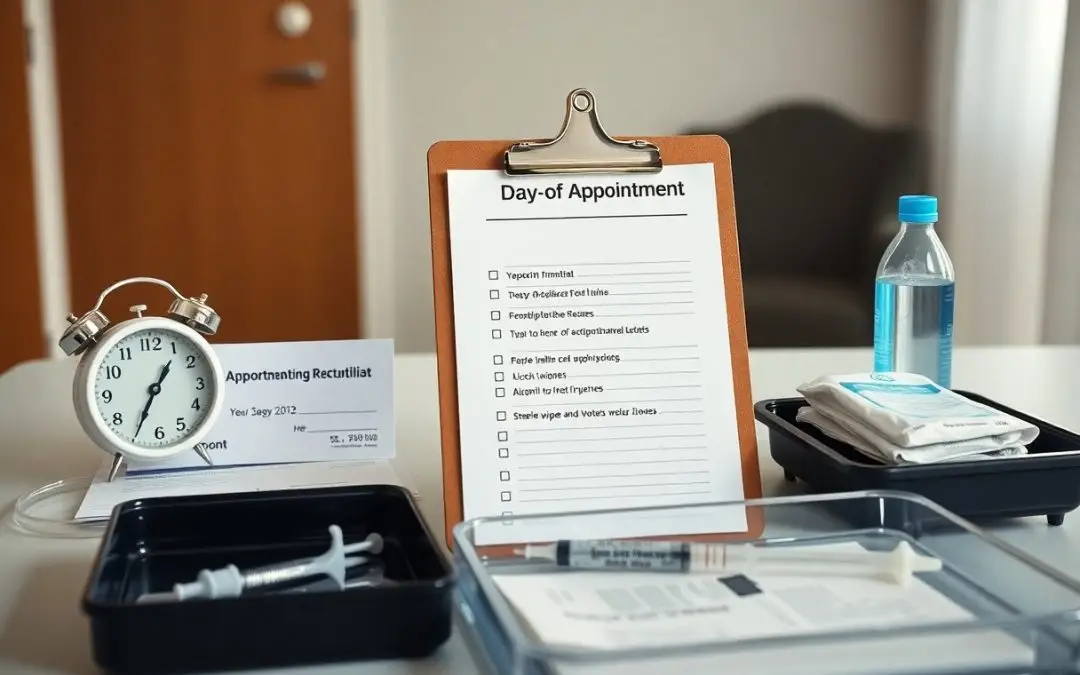
Day-of Appointment Logistics
Plan to arrive slightly early so you can complete paperwork, review consent, and discuss last-minute concerns without feeling rushed.
Managing Procedural Anxiety and Expectations
Bring a support person if that calms you, ask the clinician about sensations and realistic results, and practice slow breathing to ease your nerves during injections.
Nutritional and Hydration Readiness
Hydrate well and eat a light, balanced meal so you keep blood sugar steady; avoid alcohol and blood-thinning supplements that can increase your bruising risk.
Choose water or electrolyte drinks throughout the 24 hours before your appointment, limit your caffeine intake to reduce jitteriness, and stop NSAIDs or high-dose fish oil unless your provider approves them to lower bleeding and bruising chances.
Immediate Post-Injection Guidelines
Expect mild redness, swelling, or tiny bruises; apply a cold compress, stay upright for a few hours, avoid strenuous exercise and alcohol for 24 hours, and follow your provider’s instructions for medications and activity.
Avoiding Manual Pressure and Manipulation
Avoid rubbing, massaging, or pressing treated areas for 24 hours; you should gently pat any moisture, but do not manipulate injection sites to reduce product migration and bruising.
Monitoring for Standard Recovery Signs
Watch for normal signs like mild tenderness, tiny bruises, or temporary asymmetry; contact your provider if you have increasing pain, spreading redness, vision changes, or eyelid drooping.
If you notice progressive swelling, severe pain, fever, spreading redness, sudden vision changes, or breathing difficulty, seek immediate medical attention; minor bruising, tenderness, or temporary asymmetry commonly settles over days, and your provider can recommend treatments or follow-up if recovery stalls.
Final Words
Following this checklist, you will arrive prepared, communicate clearly with your clinician, manage medications and alcohol, expect aftercare steps, and track results so you receive safer injections and predictable outcomes from your Botox appointment.