
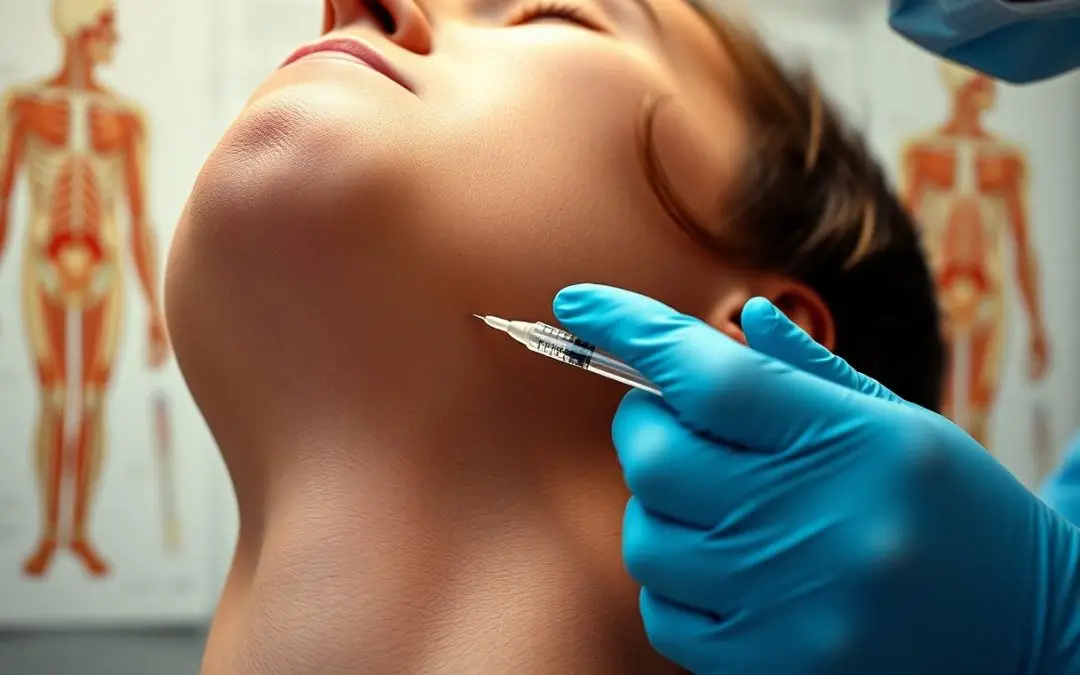
There’s a growing interest in alternative treatments for muscle spasms and dystonia, and Botox is emerging as a promising option for many. This innovative therapy, often associated with cosmetic uses, can provide significant relief by targeting the underlying muscle tension. By understanding how Botox works in alleviating your symptoms, you can make informed decisions about your treatment plan. In this post, we will explore the numerous benefits of Botox for muscle spasms and dystonia, empowering you to take control of your health.
Understanding Muscle Spasms and Dystonia
Before you look into the complexities of muscle health, it’s imperative to grasp the nature of muscle spasms and dystonia. These conditions can significantly disrupt your quality of life, causing involuntary movements and discomfort. Understanding how they function and impact your body is the first step in managing symptoms and exploring treatment options, including Botox.
Definition and Symptoms
Behind the terminology, muscle spasms are involuntary contractions of a muscle or group of muscles, leading to pain and stiffness. Dystonia, on the other hand, manifests as abnormal, often repetitive movements or postures due to altered muscle tone. Recognizing these symptoms can help you identify when it’s time to seek medical advice and intervention.
Causes and Triggers
About muscle spasms and dystonia, various factors can contribute to their onset. These may include neurological disorders, stress, dehydration, and even certain medications. Identifying these triggers within your lifestyle can guide you in managing and mitigating the impact of these conditions.
Hence, understanding the specific causes and triggers affecting your muscle activity is vital. Stress and fatigue often exacerbate symptoms, while injuries and certain health conditions can lead to spastic episodes. Being aware of your triggers allows you to make informed decisions about your health and pursue proactive management strategies.
The Mechanism of Botox
Now that you understand the context, it’s crucial to explore into how Botox operates at a biochemical level to produce its effects on muscle spasms and dystonia.
What is Botox?
What you may not know is that Botox, scientifically known as botulinum toxin, is a purified neurotoxic protein derived from the bacterium Clostridium botulinum. This treatment has gained popularity not only for cosmetic enhancements but also for its therapeutic applications in various medical conditions.
How Botox Works in Muscle Disorders
To understand the impact of Botox on muscle disorders, it’s important to recognize how it interferes with nerve signaling. When injected into affected muscles, Botox blocks the release of acetylcholine, a neurotransmitter that signals muscle contraction.
The reduction in acetylcholine prevents the muscles from contracting excessively, thus alleviating spasms and associated pain. By temporarily paralyzing targeted muscles, Botox gives you relief and can improve your quality of life, as it allows for greater flexibility and decreased discomfort. This mechanism has made it a go-to option for individuals dealing with muscle disorders related to dystonia and similar conditions.
Benefits of Botox for Muscle Spasms
Some individuals suffering from muscle spasms find that Botox can be an effective treatment. This FDA-approved therapy works by blocking the nerve signals that trigger unwanted muscle contractions, offering significant relief. As a result, you can experience reduced pain and discomfort, making daily activities more manageable and enjoyable. With the benefits of Botox, many patients report improved mobility and functionality, allowing for a more active lifestyle.
Reduction in Frequency and Severity
Across various studies, patients receiving Botox treatments for muscle spasms have reported a marked reduction in both the frequency and severity of their episodes. Many find that the injections help decrease the intensity of muscle contractions, allowing you to engage more fully in your daily life without the persistent interruption of spasms. This reduction not only alleviates immediate discomfort but also helps prevent the long-term effects that chronic spasms can have on your muscles.
Improvement in Quality of Life
Before pursuing Botox for muscle spasms, you may have felt overwhelmed by the limitations imposed by your condition. However, many individuals experience a significant enhancement in their quality of life following treatment. With reduced muscle spasms, you may find yourself enjoying activities that were once hindered by discomfort and fatigue.
Also, the psychological benefits should not be overlooked. As your physical symptoms diminish, you may feel more confident, less anxious, and overall happier. This improvement can positively impact relationships and social interactions, allowing you to reconnect with friends and family or engage in hobbies you love. Ultimately, the enhancement in your quality of life can lead to a more fulfilling and active lifestyle.
Benefits of Botox for Dystonia
Once again, Botox is proving to be a valuable tool in managing dystonia, a neurological movement disorder characterized by involuntary muscle contractions. By injecting small doses of Botox into affected muscles, you can experience reduced muscle spasms and improved quality of life. This treatment can lessen the severity and frequency of symptoms, allowing you to engage in daily activities with greater ease and comfort.
Targeted Treatment Approaches
Dystonia can manifest in various forms, affecting different muscle groups throughout your body. Botox provides a targeted treatment approach, enabling medical professionals to focus on specific areas that are most problematic for you. This precision allows for a personalized treatment plan tailored to address your unique symptoms and needs effectively.
Enhanced Mobility and Function
One of the key benefits of Botox treatment is the enhancement of your mobility and overall function. As muscle spasms reduce, you may find it easier to perform everyday tasks, enjoy hobbies, and participate in social activities without the discomfort that dystonia often brings.
Approaches to enhancing mobility through Botox involve careful mapping of your symptoms and creating a targeted injection strategy. With reduced muscle tension, you can regain a sense of control over your movements. Improved function can lead to increased confidence in your physical capabilities, empowering you to embrace life more fully and engage in activities that may have previously felt challenging.
Potential Risks and Side Effects
Not all treatments come without risks, and Botox is no exception. While it can provide relief from muscle spasms and dystonia, potential side effects may arise. It is vital that you consult with a qualified healthcare professional to fully understand your situation and the possible outcomes before undergoing treatment.
Common Side Effects
After receiving Botox injections, you may experience common side effects such as mild bruising, swelling, or redness at the injection site. Some individuals also report headaches or temporary muscle weakness. These effects generally resolve on their own within a few days, allowing you to continue with your routine.
Rare but Serious Complications
Along with common side effects, there are rare but serious complications that you should be aware of when considering Botox injections. Although these complications are infrequent, they can include allergic reactions, difficulty swallowing, or respiratory issues.
Commonly reported serious complications may lead to symptoms like vision problems, severe muscle weakness that spreads beyond the injection site, or difficulty speaking. If you experience any of these symptoms after your treatment, seeking immediate medical attention is vital. Ensuring your safety and well-being should always be your top priority when opting for any medical intervention.
Case Studies and Patient Experiences
Your understanding of Botox’s impact on muscle spasms and dystonia can be enhanced by real-life case studies showcasing its effectiveness. Here are some insights from patients:
- Patient A: 75% reduction in muscle spasms after six months of treatment.
- Patient B: Reported a 60% improvement in functional mobility after three sessions.
- Patient C: Experienced significant pain relief, allowing increased participation in physical activities.
- Patient D: 80% decrease in involuntary movements over a year with consistent Botox treatment.
Success Stories
Against all odds, many patients have found renewed hope through Botox therapy. One patient noted a complete turnaround in their daily activities, proving that targeted treatment can significantly alleviate the symptoms of muscle spasms and dystonia.
Long-Term Outcomes
On evaluating the sustained effects of Botox, numerous patients report lasting benefits beyond initial treatments. Those with ongoing therapy maintain improved control of muscle function and reduced spasms over time.
Due to the sustained relief and improved mobility experienced by patients, many choose to continue Botox as part of their long-term care strategy. This often leads to enhanced quality of life and the ability to engage in activities that were previously challenging or impossible, demonstrating the therapy’s potential for lasting impact.
Conclusion
Upon reflecting on the benefits of Botox for muscle spasms and dystonia, you can appreciate how this treatment can significantly improve your quality of life. By effectively targeting the underlying muscle tension, Botox offers a non-invasive solution that may enhance your mobility and reduce discomfort. As you consider your options, it’s crucial to consult with a healthcare professional to determine if this therapy aligns with your individual needs and health goals, ensuring you achieve the best possible outcomes for your condition.