

You should start with a medical consultation to define goals, review risks, and plan aftercare, then select a licensed clinician for safe, natural-looking results.
The Science of Smooth: How Botox Works
Botox temporarily blocks nerve signals to facial muscles, smoothing dynamic wrinkles so you see a softer appearance with minimal downtime.
Understanding Neurotoxins and Muscle Relaxation
You receive tiny, precise injections that relax targeted muscles, reducing repeated movements that form lines and giving skin a calmer look for months.
Distinguishing Botox from Dermal Fillers
Fillers add volume to hollows and deep creases, while Botox decreases muscle activity; you pick based on whether you want contour restoration or softer expression lines.
Consider that fillers use hyaluronic acid or similar substances to restore volume and can be adjusted or dissolved, whereas Botox wears off over months, so you and your clinician can plan combined or staged treatments to match your desired longevity and results.
Navigating the Initial Consultation
Ask about experience, technique, expected results, and potential side effects so you leave the consultation informed and confident in the plan.
Selecting a Qualified Medical Practitioner
Check credentials, board certification, patient reviews, and before-and-after photos; you should confirm clinic hygiene, staff training, and specific expertise in facial anatomy.
Setting Realistic Aesthetic Goals
Set realistic expectations by showing photos, describing your daily routine, and asking what subtle changes are achievable and how long results typically last.
Discuss specific areas you want addressed, preferred outcomes, and tolerance for change so the practitioner can propose a tailored approach. Ask about unit counts, gradual dosing to refine results, and how combined treatments might alter timelines. Consider recovery, follow-up visits, and signs of complications so you can plan appointments around events and feel prepared throughout the process.
Targeted Areas for First-Time Patients
Most first-time patients focus on forehead, glabella and crow’s feet to achieve natural results with minimal units; you can discuss goals with your injector to customize treatment.
Softening Forehead Lines and Glabella
Forehead and glabella injections relax lines while preserving movement, so you can smooth horizontal creases and soften the frown without a frozen look.
Addressing Crow’s Feet for a Rested Look
Eyes treated at the outer corners reduce crow’s feet, giving you a rested, more approachable appearance with targeted dosing that maintains your smile lines.
Treatment plans for crow’s feet consider muscle strength, facial symmetry and your lifestyle; you can expect brief redness, mild bruising, subtle smoothing within days, and a follow-up to adjust units for natural expression.
Preparation and Safety Protocols
Clinic policies and skilled staff set the baseline for safe, confident Botox; you should complete intake forms, disclose medical history and medications, and verify injector credentials to minimize complications and maximize predictable results.
Pre-Appointment Health Screenings
You will complete a health questionnaire and review allergies, medications, neuromuscular conditions, and past cosmetic procedures so the injector can tailor dosing, identify contraindications, and plan safe timing for treatment.
Substances to Avoid Before Treatment
Skip aspirin, ibuprofen, alcohol, high-dose fish oil, vitamin E, and herbal blood thinners for 7-14 days before your appointment when possible to reduce bleeding and bruising risk; always inform your provider about supplements.
Herbal supplements like ginkgo, garlic, turmeric, and high-dose omega-3s can increase bruising; you should pause them before treatment and list exact doses during screening so your injector can advise safe timing for resumption.
The Treatment Experience and Aftercare
You can expect quick, targeted injections with minimal discomfort; the appointment typically lasts 10-20 minutes and lets you resume most activities while following simple aftercare to protect results.
Step-by-Step Procedural Overview
During the visit your clinician will consult with you, cleanse and mark treatment sites, administer micro-doses, assess facial movement, and provide tailored aftercare instructions to optimize outcomes.
Treatment vs Aftercare
| During Treatment | Aftercare |
|---|---|
| Clinician administers precise injections; you may feel a mild pinch. | Keep the area clean, avoid touching, and skip strenuous exercise for 24 hours. |
| Immediate assessment ensures natural movement and symmetry. | Apply gentle ice for swelling and avoid alcohol for the first day. |
Essential Post-Injection Do’s and Don’ts
Avoid rubbing or massaging treated areas, postpone facials and saunas for at least 48 hours, and remain upright for four hours after injections.
Follow your clinician’s timeline for resuming workouts and topical treatments, call if you notice spreading redness, severe pain, fever, or persistent asymmetry, and take photos to track subtle changes over two weeks.
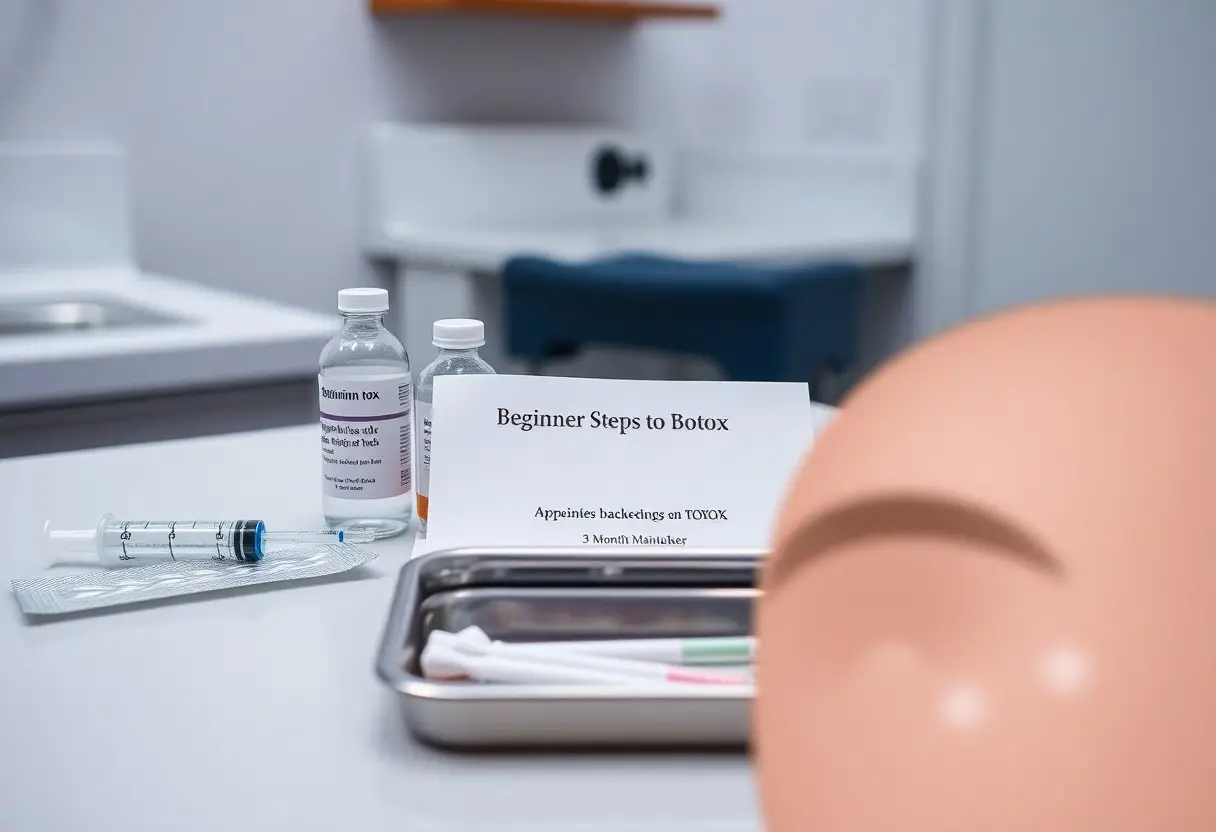
Long-Term Maintenance and Efficacy
Consistency in follow-up injections helps you sustain results; schedule regular reviews, monitor response, and work with your clinician to adjust dose as muscles adapt over time.
Timeline for Visible Results
Expect initial softening within 3-5 days, with full effect by two weeks, and typical benefit lasting about three to four months depending on your metabolism and treated area.
Establishing a Consistent Treatment Schedule
Plan appointments every three to four months to maintain effect, track how long your results last, and refine timing with your practitioner based on your personal response.
Discuss practical tips with your provider: keep a simple log of onset and fade, book follow-ups ahead of events, consider small dose adjustments instead of big changes, and factor in lifestyle, stress, or medications that may shorten or extend how long you retain results.
Final Words
To wrap up, you can build confidence with Botox by starting with a consultation, choosing a qualified injector, setting realistic goals, and following post-care instructions; consistent, modest treatments help maintain a natural, refreshed appearance that supports long-term comfort with the process.