

With the growing popularity of BOTOX treatments, it’s imperative to approach your consultation armed with the right questions. You want to ensure that your provider is experienced and that the procedure aligns with your goals. This blog post will guide you through the critical questions to ask during your BOTOX consultation, empowering you to make informed decisions about your treatment and achieve the best possible results for your appearance and confidence.

Understanding BOTOX
For those considering a BOTOX treatment, it’s important to have a foundational understanding of what BOTOX is and how it works. This knowledge will empower you to have informed discussions during your consultation and make better decisions regarding your aesthetic goals.
What is BOTOX?
What you need to know is that BOTOX is a brand name for a substance produced by the bacterium Clostridium botulinum. While it’s commonly known for its cosmetic applications, BOTOX has been used medically for various conditions for decades. This injectable treatment temporarily paralyzes muscles, which can help reduce the appearance of fine lines and wrinkles, giving your skin a smoother, more youthful appearance.
By blocking the signals from the nerves to the muscles, BOTOX prevents muscle contractions that lead to the formation of lines and wrinkles. As a result, many individuals opt for BOTOX as a non-invasive way to enhance their appearance without undergoing more invasive surgical procedures.
How Does BOTOX Work?
On a biological level, BOTOX works by targeting the communication between nerves and muscles. When injected into a specific muscle, it inhibits the release of a neurotransmitter called acetylcholine, which is responsible for signaling muscles to contract. This process leads to the relaxation of the targeted muscle, effectively smoothing out the skin above it.
The effects of BOTOX typically take a few days to manifest, with results lasting anywhere from three to six months. As the treatments wear off, the muscle action will gradually return, which is why you may need touch-up treatments to maintain your desired aesthetic results.
BOTOX is a versatile treatment, commonly used for various aesthetic purposes, including smoothing forehead lines, frown lines between the eyebrows, and crow’s feet around the eyes. It is also effective in non-cosmetic applications, such as treating excessive sweating, migraines, and muscle spasms, making it a popular choice among patients with diverse needs.
Common Uses of BOTOX
An understanding of the common uses of BOTOX can help you determine if this treatment aligns with your goals. In the cosmetic realm, BOTOX is primarily used to reduce the appearance of dynamic wrinkles, which are caused by repetitive muscle movements. Many people seek BOTOX to achieve a more youthful-looking face without the downtime associated with surgical procedures.
Beyond aesthetics, BOTOX is also employed to treat various medical conditions. You might be interested to learn that it can effectively relieve chronic migraines, help manage excessive sweating (hyperhidrosis), and reduce muscle stiffness in conditions like cerebral palsy. This multifaceted application of BOTOX allows you to potentially address both cosmetic and health-related concerns with a single treatment.
BOTOX is an innovative solution that has expanded the options available for both aesthetic enhancement and medical treatment. Understanding its functions and applications will position you to make the most of your upcoming consultation.
1. Ask about the provider’s qualification and experience.
2. Inquire about the specific areas to treat.
3. Discuss potential side effects and risks involved.
4. Clarify expected results and duration of effects.
5. Understand the cost and payment options available.
6. Request information about post-treatment care instructions.
Preparing for Your BOTOX Consultation
You want to ensure that you make the most of your BOTOX consultation, so preparation is key. Start by gathering information and asking yourself some important questions that will help you communicate effectively with your provider. This way, you can achieve the best possible outcome tailored to your needs and expectations.
Researching Your Provider
One of the first steps in preparing for your consultation is to research your potential provider thoroughly. Look for licensed healthcare professionals who specialize in aesthetic procedures. Read reviews, look at before-and-after photos, and check their website to learn more about their qualifications and experience. You can also ask for referrals from friends or family members who have had BOTOX treatments.
Questions to Ask About Credentials
With your research underway, the next important step is to prepare the right questions to ask about your provider’s credentials. Inquire about their medical training, experience with BOTOX specifically, and any certifications that confirm their expertise in this area. Knowing their background can give you confidence in their abilities and help you make an informed decision about your treatment.
Provider credentials matter significantly in the world of cosmetic procedures. By understanding the qualifications of your chosen provider, you ensure that you are in safe hands during the treatment. This knowledge not only helps you feel more at ease but also empowers you to make a choice that aligns with your aesthetic goals.
Understanding the Consultation Process
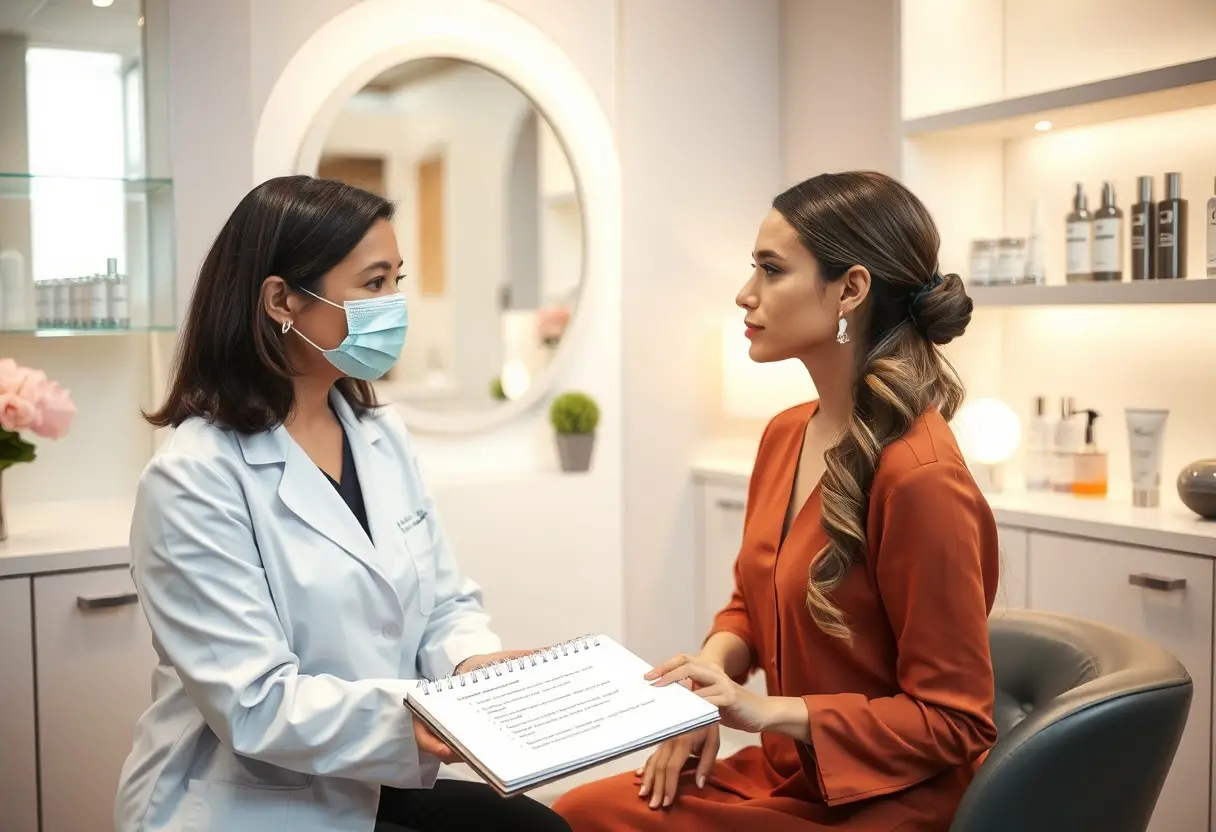
The consultation process is a crucial step in your BOTOX journey. During this time, you will have the opportunity to discuss your aesthetic goals, review treatment options, and understand potential results. Your provider will perform an assessment to determine if you are a suitable candidate for BOTOX, and they will guide you through the entire process, addressing any concerns you may have.
Credentials are crucial when it comes to understanding the consultation process. A qualified provider will take the time to explain what to expect during the consultation, the treatment itself, and any post-treatment care you may require. This transparency fosters a trusting relationship and ensures that you feel supported every step of the way.
Safety and Efficacy
All cosmetic procedures, including BOTOX, come with a set of considerations regarding safety and effectiveness. Understanding the safety profile and potential risks associated with BOTOX treatment is crucial for making an informed decision. During your consultation, you’ll want to discuss these aspects thoroughly with your provider to ensure you feel confident about the procedure.
What Are the Risks of BOTOX?
Safety is of utmost importance when considering BOTOX injections. While most people tolerate BOTOX well, there are potential risks involved. These can include bruising, swelling, and redness at the injection site, which are common but usually temporary responses. In rare cases, you might experience more serious complications, such as drooping eyelids or asymmetry, where one side of your face appears different from the other. Being open about any existing health conditions or medications you take is imperative as these factors can influence your risks.
How is the Safety of BOTOX Ensured?
BOTOX undergoes rigorous testing and evaluation before it is approved for public use. Healthcare professionals are trained to administer BOTOX accurately, which minimizes the risk of adverse effects. Also, reputable clinics adhere to strict protocols, including maintaining sterile environments and following proper dosage guidelines to enhance treatment safety. During your consultation, ask your provider about their qualifications and experience with BOTOX to further reassure yourself about your decision.
BOTOX is not simply a cosmetic treatment; it is a medical substance that has been carefully researched and tested. Regulatory bodies like the FDA evaluate its safety before approval, which involves clinical trials to understand its effects thoroughly. Your provider should have access to this information and be able to explain how BOTOX has been deemed safe for use in cosmetic procedures, assuring you of its reliability.
What Are Common Side Effects?
Efficacy is equally as important as safety when considering BOTOX. Although generally well-tolerated, some common side effects may occur after the treatment. These can range from mild discomfort and headache to nausea and fatigue. While most side effects are minor and resolve on their own within a few days, it’s imperative to discuss these with your provider during your consultation. Understanding the range of possible side effects will prepare you for any reactions your body may have post-treatment.
Risks related to BOTOX side effects should not be overlooked. You might also experience localized reactions such as muscle weakness near the injection area or allergic reactions, albeit these are quite rare. Knowing these possibilities will help you weigh the benefits against the potential downsides and facilitate a more informed conversation with your provider.
Treatment Expectations
Your treatment expectations play a crucial role in how you perceive the outcome of your BOTOX experience. It’s important to have clear and realistic expectations before proceeding with any cosmetic treatment. To help you prepare, consider exploring 20 Questions That Patients Ask Before Botox Treatment, which can provide you with more insight into the BOTOX process.
What Can You Expect During the Treatment?
Expect the BOTOX procedure to be relatively quick and straightforward. Most sessions last about 10 to 15 minutes, depending on the areas being treated. Your healthcare professional will start by marking the injection sites on your face. They may use a topical anesthetic or ice to numb the area to ensure your comfort during the injections. Once you feel comfortable, the BOTOX is carefully injected into specific muscles, with the goal of relaxing them to reduce the appearance of wrinkles.
After the treatment, you can typically return to your normal activities almost immediately, although it’s advised to avoid vigorous exercise and direct sunlight for a short period. You may notice slight swelling or redness at the injection sites, but this usually subsides quickly.
How Long Does BOTOX Last?
Expect the effects of BOTOX to last for approximately three to six months, depending on various factors such as your metabolism, the area treated, and your overall skin condition. After this initial period, you may notice a gradual return of wrinkles and fine lines, indicating that it may be time for a follow-up treatment. Regular sessions can maintain your results, as the muscle activity can be reduced over time, potentially leading to longer-lasting effects.
What you can count on is that the longevity of your BOTOX results may vary. While most patients enjoy results for around four months, some individuals may find that their results last longer, especially if they have been treated regularly. Your practitioner can give you a better estimate based on your specific needs.
What Results Should You Expect?
What you can expect in terms of results is generally a significant reduction in the appearance of dynamic wrinkles, such as frown lines, crow’s feet, and forehead lines. Many patients notice visible improvements within a few days of treatment, with full results typically appearing within one to two weeks. Your skin may feel smoother and more youthful, enhancing your overall appearance and boosting your confidence.
Plus, it’s necessary to understand that while BOTOX can provide impressive results, it won’t eliminate all wrinkles or prevent the natural aging process. You might want to discuss realistic expectations with your provider, ensuring your goals align with what BOTOX can achieve for you. Regular follow-up treatments can further enhance and maintain your desired look, helping you achieve a long-lasting youthful appearance.

Costs and Financing
To ensure you’re prepared for your BOTOX treatment, understanding the costs and financing options available is vital. During your consultation, it’s advisable to ask your provider about the total costs involved, including any additional fees for the procedure. You can find helpful information on 6 Important Questions to Ask Your Dermatologist Before making a decision.
What is the Average Cost of BOTOX?
The average cost of BOTOX can vary significantly based on several factors such as geographic location, the expertise of your provider, and the number of areas being treated. Generally, BOTOX is priced per unit, and you may need multiple units depending on your aesthetic goals and treatment plan. This could lead to a cumulative cost that you should be aware of before proceeding.
It’s crucial to discuss the expected total cost for your treatment with your provider during the consultation. This not only aids in managing your budget but also helps you understand any potential additional expenses that might come up, such as follow-up visits or future touch-ups.
Insurance Coverage for BOTOX Treatments
One important consideration when discussing costs is whether your insurance plan will cover BOTOX treatments. Typically, BOTOX is classified as a cosmetic procedure, meaning most insurance plans do not provide coverage. However, if you are using BOTOX for medical purposes—like treating migraines or excessive sweating—your insurance may cover part of the costs.
With that said, you should always check with your insurance provider and your healthcare provider to clarify coverage options. It’s vital to have a clear understanding of the financial responsibilities you may incur if your treatment is deemed cosmetic.
Financing Options Available
Financing options for BOTOX treatments are available, which can alleviate the burden of upfront costs. Many clinics offer payment plans, allowing you to spread out the payments over time instead of paying one lump sum. This flexibility can make cosmetic treatments more accessible for you.
Treatments can be more manageable with the right financing options. Some providers might also collaborate with third-party financing companies that specialize in medical aesthetics, allowing you to choose a plan tailored to your financial situation. Always consider discussing these options during your consultation to find a plan that fits your budget and allows you to achieve your aesthetic goals without financial strain.
Post-Treatment Care
All aspects of your BOTOX treatment contribute to its overall effectiveness, including the post-treatment care you follow. Understanding the necessary aftercare practices is important for optimal results and minimizing any potential side effects. Your provider will typically outline specific aftercare instructions, which may include avoiding certain activities and products immediately following your treatment. Generally, it is advised to refrain from exercising, using saunas, or applying heavy makeup for at least 24 hours to ensure the serum settles into your muscles properly without interference.
What Aftercare is Necessary?
Aftercare is a crucial aspect of your BOTOX treatment plan. You should stay upright for at least four hours following the procedure, which allows the BOTOX to be absorbed effectively without migrating to unintended areas. Additionally, gently massaging the treated areas is discouraged, as this could lead to undesirable results. You may experience mild swelling or redness at the injection site, which is normal and typically resolves within a few hours. If you’re concerned about discomfort, cool compresses can be applied, but ensure they are not too cold and do not directly press on the area.
When to Return for Follow-Up
Care for your BOTOX results doesn’t end after the initial treatment; follow-up appointments are important for monitoring effectiveness and making any necessary adjustments. Your provider will usually schedule a follow-up about two weeks post-treatment to assess your results and ensure that the desired effect has been achieved. This timeframe allows for the BOTOX to fully take effect and any touch-ups to be performed if needed.
The specific timing for your follow-up may vary depending on your individual case and the extent of changes desired. Make sure to discuss the follow-up schedule during your initial consultation, so you have a plan in place. Keeping this appointment is important as adjustments can improve the longevity of your results and enhance your overall satisfaction.
Signs of Complications to Watch For
With any cosmetic procedure, it is vital to remain vigilant for potential complications after your BOTOX treatment. While most patients experience minimal side effects, you should be aware of unusual symptoms that may indicate a problem. Persistent swelling, severe bruising, or asymmetry in facial expression could suggest an adverse reaction. If you experience any difficulty swallowing, breathing issues, or vision changes, seek medical attention immediately, as these could be signs of a more serious complication.
PostTreatment care doesn’t just involve routine aftercare; being informed about potential complications is equally important. Familiarizing yourself with the signs of complications can help you address issues swiftly and effectively. Maintaining open communication with your provider about any concerns following the treatment ensures that your experience remains safe and satisfactory as you commence on your BOTOX journey.
Conclusion
Conclusively, preparing for your BOTOX consultation is crucial to ensure you have a clear understanding of the procedure, its benefits, and potential risks. By asking the right questions, you empower yourself with knowledge that will help you make informed decisions about your treatment. Be sure to inquire about the practitioner’s qualifications and experience, the expected outcomes, and how to care for your skin post-treatment. This not only helps you gauge the expertise of the professional but also sets realistic expectations for your results.
Moreover, your comfort and satisfaction are paramount, so don’t hesitate to ask about any concerns you may have related to the procedure. Discussing your medical history, any allergies, and your aesthetic goals is crucial for a successful BOTOX experience. Note, your consultation is an opportunity for you to build rapport with your provider and ensure that they understand your needs and desires. By asking the right questions, you set the stage for a positive and effective treatment journey.