

Most of your questions about Botox focus on safety, effects, and results; this guide clears myths, presents facts, and explains what to expect so you can make an informed decision.
Understanding Botulinum Toxin: Common Types and Formulations
You’ll see several botulinum toxin formulations used clinically, each with unique dosing, onset, and spread that affect results; your provider will choose based on treatment area and goals.
- You can expect differences in onset, diffusion, and dosing between products.
- You may notice product choice influences treatment for small versus large muscle groups.
- Your injector will advise which option best matches your anatomy and objectives.
| Botox (onabotulinumtoxinA) | You can expect precise dosing and onset around 3-7 days. |
| Dysport (abobotulinumtoxinA) | You may notice faster onset (2-5 days) and wider diffusion for larger areas. |
| Xeomin (incobotulinumtoxinA) | You might prefer this purified formulation if you want minimal accessory proteins. |
| Onset | You will typically observe effects within 2-14 days depending on product and dose. |
| Duration | You should expect results to last roughly 3-6 months before retreatment is needed. |
Differentiating Botox, Dysport, and Xeomin
Compare Botox, Dysport, and Xeomin by onset, diffusion, and purity; you may prefer Dysport for broader areas, Botox for precise control, and Xeomin if you want minimal accessory proteins.
How Neurotoxins Work on Muscle Activity
Understand that neurotoxins block acetylcholine release at the neuromuscular junction, so your targeted muscle weakens and wrinkles soften within days.
Assume that the toxin prevents vesicle fusion at nerve terminals, reducing muscle contraction; you will see return of function over months as nerves remodel, which is why repeat treatments are scheduled.
Separating Fiction from Reality: Core Myths and Medical Facts
You can expect clear distinctions between myth and medicine: Botox temporarily relaxes muscles to soften lines, is dosage-dependent, and produces predictable outcomes when administered by qualified clinicians.
Addressing the “Frozen Face” Stigma
If you worry about a “frozen” look, proper injection technique and conservative dosing let you retain natural expressions while smoothing dynamic wrinkles.
Safety Profiles and FDA Approval Realities
Ask for information on FDA-approved uses, off-label norms, and how your provider monitors dosing and side effects to keep you safe.
Clinical trial data and postmarket surveillance give you a clear picture of adverse event rates, dosing ranges, and approved indications so you can weigh benefits against risks. Discuss contraindications, reporting procedures, and follow-up expectations with your clinician to ensure you know when to seek care and how side effects are managed.
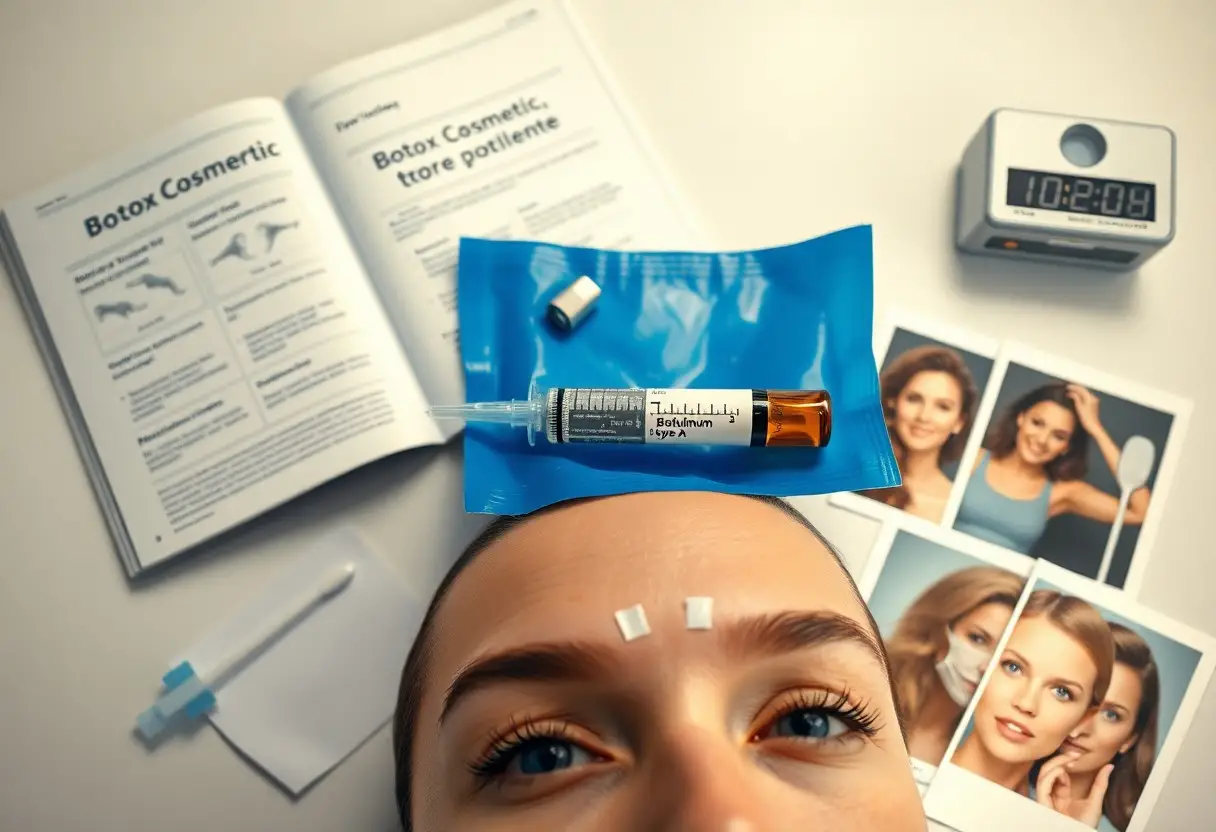
Navigating the Procedure: A Step-by-Step Walkthrough
Follow a concise walkthrough of the procedure so you know each step, timing, and what you should do before and after treatment.
| Step | What to Expect |
|---|---|
| Consultation | Goal discussion, medical review, facial mapping, consent and photos. |
| Injection | Targeted, quick injections; brief discomfort, precise dosing. |
| Aftercare | Short monitoring, avoid rubbing, mild redness or bruising possible. |
The Consultation and Mapping Process
During the consultation you’ll explain goals and health history while the provider marks injection sites, reviews expected results and risks, and confirms consent and photos before proceeding.
Injection Technique and Immediate Aftercare
After mapping, you’ll receive targeted injections using small needles; you may feel brief pinches and should expect minor redness or swelling that subsides within hours to days.
Expect the session to last 10-20 minutes; the practitioner uses small‑gauge needles and conservative dosing while monitoring your comfort. You should avoid lying flat or strenuous activity for four hours and skip blood thinners or alcohol beforehand per instructions. Small bruises typically fade in days and full smoothing appears over about two weeks.
Evaluating the Treatment: Pros and Cons
You should weigh cosmetic gains against costs and downtime; review risks, expected duration, and provider experience before deciding.
| Pros | Cons |
|---|---|
| Quick onset of visible smoothing | Results are temporary (typically 3-4 months) |
| Minimally invasive with no surgery | Requires repeat treatments to maintain effect |
| Targets specific muscle groups for natural results | Possible asymmetry if injected unevenly |
| Short recovery and minimal downtime | Common minor side effects like bruising |
| Can be used preventively to slow line formation | Cost can add up over time |
| Widely studied with established safety profile | Not effective for deep static wrinkles or volume loss |
Aesthetic Benefits and Preventive Advantages
Visible softening of lines and a smoother forehead can make you look rested, while early preventive treatments may slow wrinkle formation.
Potential Side Effects and Temporary Limitations
Mild bruising, swelling, or temporary eyelid droop can occur; you should expect short activity limits and a brief follow-up.
Expect most side effects to be short-lived-bruising, pinpoint bleeding, headache, or localized weakness usually resolve within days to a few weeks; you should seek prompt care for persistent asymmetry, severe pain, difficulty breathing, or vision changes, and confirm your injector documents doses and uses precise technique to reduce risk.
Key Factors Influencing Results and Longevity
Factors like technique, product and your skin affect results and their duration.
- Provider skill
- Treatment area
- Aftercare
Any aftercare and follow-up you choose will change how often you need touch-ups.
Metabolism and Muscle Strength Variations
Metabolism and muscle strength affect how quickly Botox wears off; if you have a faster metabolism or stronger facial muscles you may notice shorter duration, so plan follow-ups accordingly with your provider.
Dosage Accuracy and Injection Frequency
Dosage accuracy and injection frequency shape both appearance and duration; you may need adjustments if treatment is conservative or spaced too far apart, so follow your clinician’s recommended schedule.
Injection technique, precise unit counts and targeted placement determine how evenly muscles relax and how natural results look; you should ask about dosing strategy, whether gradual increases are planned, and how retreat timing will be managed to balance safety with longer-lasting outcomes.
Professional Tips for First-Time Patients
Ask specific questions about technique, downtime, and expected timelines to set realistic goals. Knowing what to expect from results and follow-up visits reduces anxiety and helps you decide confidently.
- Confirm practitioner credentials and experience
- Review before-and-after photos and patient reviews
- Discuss risks, costs, and post-care instructions
Selecting a Qualified Medical Practitioner
Verify the provider’s board certification, injector-specific training, and clinic standards; ask to see recent Botox results and inquire about complication management so you can assess competence.
Preparing for Your First Appointment
Bring a list of medications, supplements, allergies, and cosmetic goals; you should avoid aspirin, NSAIDs, and alcohol if your clinician advises to reduce bruising and swelling.
Plan to arrive with a clean face and photos of your desired outcomes, and describe any past cosmetic treatments or medical conditions during the consult. You may be told to stop certain supplements or blood-thinning medicines days before; follow your clinician’s timing on pre-visit restrictions, aftercare like icing and avoiding strenuous exercise, and the signs that require prompt contact so you can recover and evaluate results effectively.
Final Words
Upon reflecting, you can separate myth from fact about Botox Cosmetic by consulting a qualified provider, understanding realistic results and risks, and preparing for short, minimally invasive treatments with predictable recovery and follow-up to achieve natural-looking outcomes.