

Most people desire a smooth, youthful appearance, and Botox can be a game-changer when applied correctly. In this ultimate how-to guide, you will learn the necessary steps for achieving flawless Botox applications, empowering you to enhance your beauty with confidence. From understanding the different techniques to preparing your skin and knowing the aftercare, this comprehensive resource will help you maximize your results and minimize any potential issues. Get ready to take control of your aesthetic journey and discover the secrets to looking your best!
Understanding Botox
The world of cosmetic treatments has widely embraced Botox, a non-surgical option celebrated for its effectiveness in reducing the appearance of wrinkles and fine lines. You may be surprised to learn that Botox is derived from the botulinum toxin, which, when administered in small, controlled doses, temporarily paralyzes muscles to smooth skin. (Choosing an experienced practitioner is vital for safe and effective results.)
What is Botox?
Now, Botox is a purified form of botulinum toxin that works by blocking nerve signals that cause muscle contractions. This treatment is commonly used to diminish dynamic wrinkles, which form with facial expressions. (Understanding the nature and origin of this treatment is key to making an informed choice.)
Benefits and Risks
Assuming you are considering Botox, it’s important to weigh both the benefits and risks. The primary benefit is the significant reduction in the visibility of wrinkles, granting you a more youthful appearance. Conversely, potential side effects such as bruising, swelling, or even temporary muscle weakness may occur. (Consulting with a qualified professional can help mitigate risks while enhancing the benefits.)
Understanding the benefits and risks of Botox is necessary for your decision-making process. On one hand, you gain a reliable solution to rejuvenate your look; on the other hand, side effects, while typically minor, can occur. Having a thorough discussion with your practitioner about these factors ensures you are well-prepared for your treatment journey. (Being well-informed will help you manage your expectations and achieve your desired outcomes.)
1. Research certified practitioners with extensive Botox experience.
2. Schedule consultation to discuss goals and expectations clearly.
3. Assess skin type and facial anatomy with practitioner.
4. Choose best Botox product for desired results and longevity.
5. Follow pre-treatment guidelines for optimal skin readiness.
6. Post-treatment care: avoid intense activities and follow-up.
How to Prepare for Botox
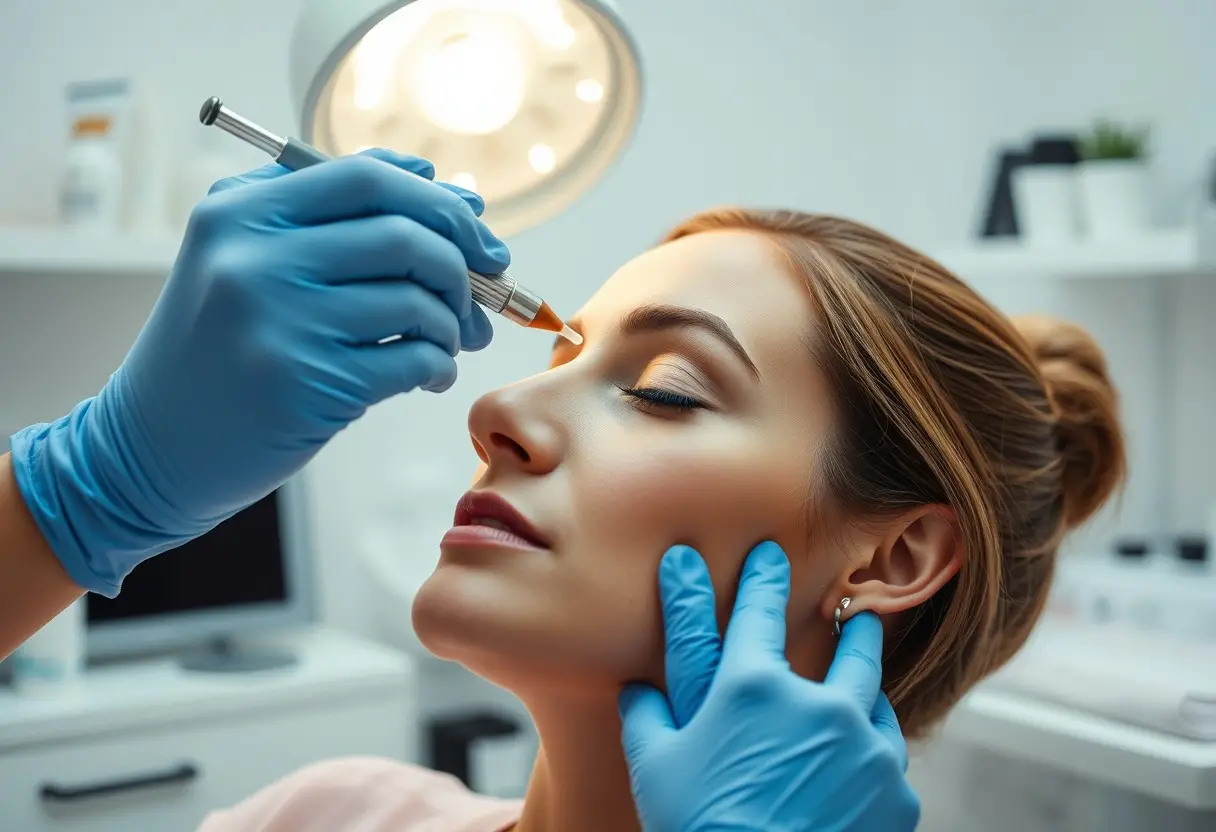
While getting ready for your Botox appointment, it’s necessary to set yourself up for a successful treatment. Proper preparation can enhance the effectiveness of the injections and minimize any potential side effects. By following a few simple steps, you can ensure that your experience and results are optimal.
Pre-Treatment Tips
Now, it’s time to focus on the key pre-treatment tips. Prior to your Botox session, you should consider the following:
- Avoid alcohol for at least 24 hours.
- Refrain from taking blood thinners like aspirin and ibuprofen.
- Stay hydrated by drinking plenty of water.
- Have a light meal before your appointment.
This will help reduce the risk of bruising and improve your overall experience.
Factors to Consider
Consider the various factors that may influence your Botox treatment. Think about your medical history, any allergies you may have, and your aesthetic goals in relation to the procedure (these will help guide your conversation with your provider). Keep in mind the following aspects:
- Your current skin condition.
- Any medications you are taking.
- Previous cosmetic procedures you’ve had.
Assume that assessing these factors thoroughly will contribute to a safe and effective injection process.
PreTreatment is not just about what you do before the session; it’s also about ensuring clear communication with your injector. Discuss your expectations, concerns, and any previous experiences you have had (this will lay a solid foundation for your treatment plan). The following elements are necessary:
- Your treatment history.
- Skin concerns you want addressed.
- Your desired outcomes.
Assume that open dialogue with your provider will lead to the best possible results.
The Application Process
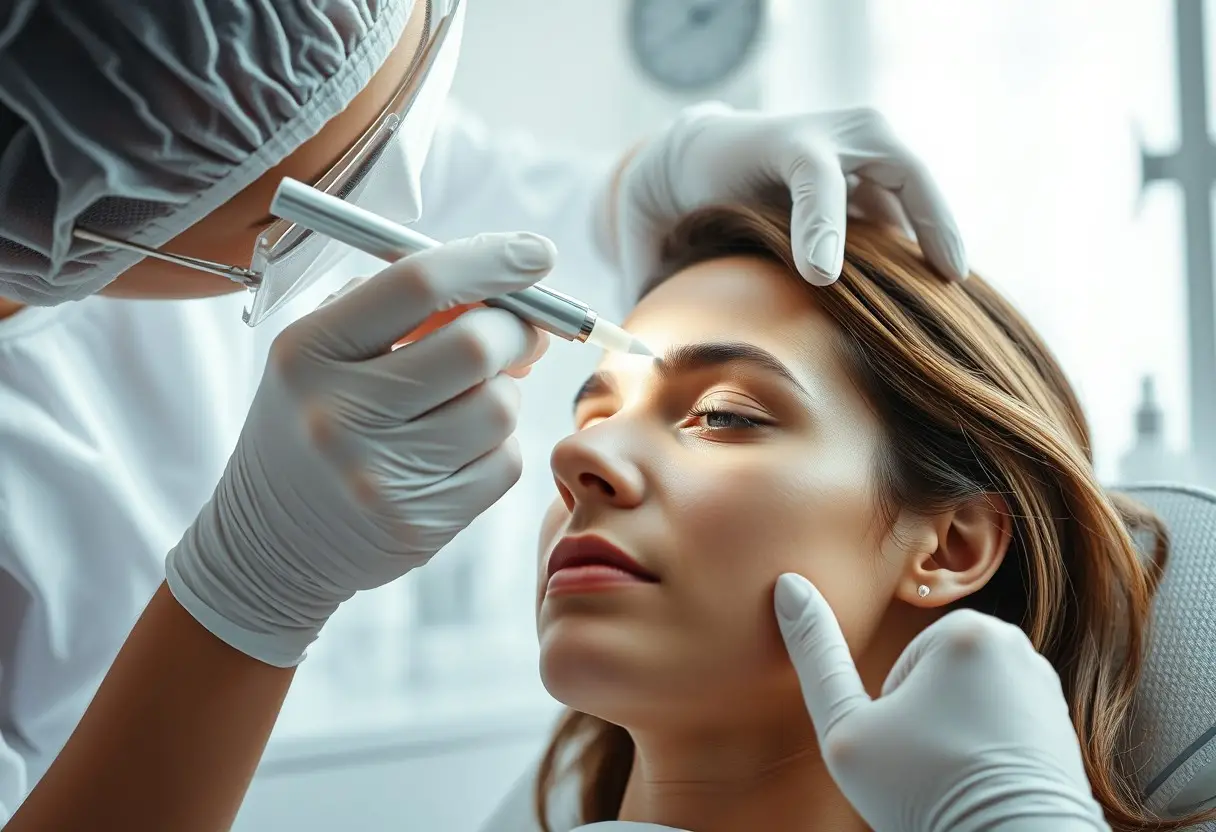
Once again, the application process plays a vital role in achieving natural-looking results with Botox. It is vital to ensure that the procedure is performed by a qualified professional who understands facial anatomy and the aesthetic goals you want to achieve. A thorough consultation will help determine the appropriate areas for treatment and the specific dosage needed for your unique features.
Step-by-Step Guide
Even when you understand the process, a step-by-step approach is fundamental for optimal results. Below is a guide that outlines the typical steps involved in a Botox application:
Step-by-Step Guide to Botox Application
| 1. Consultation with your provider | Discuss your goals and medical history |
| 2. Preparation of the treatment area | Cleansing the skin and applying a topical anesthetic if needed |
| 3. Marking the injection sites | Identification of muscles to be treated |
| 4. Administering the Botox injections | Careful, precise injections with calibrated doses |
| 5. Post-treatment instructions | Guidance on aftercare and follow-up |
(Choosing a skilled injector can significantly impact your results.)
Common Techniques
There’s a variety of common techniques used to administer Botox, each suited to different concerns and areas of the face. These methods ensure that the treatment not only minimizes wrinkles but also enhances your overall facial appearance. Popular techniques include micro-dosing, where smaller amounts of Botox are injected for a more subtle effect, and the ‘Botox Brow Lift,’ which elevates the eyebrows and refreshes your expression.
(Your choice of technique can affect both your looks and the longevity of the results.)
Common techniques utilize different injection angles and patterns based on your facial dynamics. For instance, the ‘Three-Point Technique’ focuses on three specific areas for a balanced outcome, while the ‘Grid Method’ applies a more systematic approach across larger areas. Understanding these techniques will help you make informed decisions regarding your Botox treatment. (Choosing the right technique that aligns with your beauty goals is vital for satisfaction.)
Aftercare Tips
After your Botox treatment, proper aftercare is vital for optimal results. To ensure the best outcome, follow these guidelines:
- Avoid strenuous exercise for 24 hours
- Do not touch or massage the treated areas
- Refrain from lying down for at least four hours
- Stay away from extreme temperatures and saunas
Assume that following these steps will help maximize your Botox results and minimize side effects.
Immediate Post-Treatment Care
There’s no need for a lengthy recovery after your Botox session, but you should follow some simple guidelines. (Your provider may give specific instructions based on your unique situation.)
Long-Term Skin Maintenance
While Botox can provide significant improvements in your appearance, maintaining healthy skin is vital for lasting results. Keeping your skin in top shape will enhance the longevity of the Botox effects.
Tips for long-term skin maintenance include establishing a regular skincare regimen that incorporates cleansing, moisturizing, and sun protection. Consider incorporating antioxidants and retinoids to help promote collagen production and skin repair. Staying hydrated and maintaining a balanced diet also contributes to healthy skin—a little effort goes a long way in sustaining these results over time.
Troubleshooting Common Issues
Unlike any cosmetic procedure, Botox applications can sometimes lead to unexpected outcomes. Addressing potential problems promptly can help you maintain your desired results and ensure your satisfaction. Common issues can include uneven results, excessive bruising, or an atypical response to the treatment. By being informed and proactive, you can mitigate these concerns effectively.
Addressing Side Effects
Issues like mild swelling or slight bruising may occur following your Botox treatment. These side effects are generally temporary and can be treated with cold compresses or over-the-counter pain relievers. Keep an eye on the area, and if symptoms persist or worsen, consider your next steps carefully.
When to Seek Professional Help
Even minor side effects should not go unmonitored, but it’s important to know when to reach out for professional assistance. If you experience severe pain, prolonged swelling, or any signs of an allergic reaction, contacting your provider is crucial (Seeking help early can prevent complications). Understanding your limits will empower you to take the right steps for your health.
Effects of Botox can vary from person to person, and knowing when to seek help is vital for your well-being. If you notice troubling symptoms such as difficulty swallowing, breathing issues, or muscle weakness, immediate medical attention is necessary (Addressing any alarming changes right away can safeguard your health). Prioritize safety, and don’t hesitate to consult with healthcare providers about your experience.
Tips for Finding the Right Practitioner
Not every practitioner is equipped to deliver the results you desire, so it’s important to take the time to find someone who meets your needs. Here are some tips to guide you:
- Check credentials and certifications
- Read online reviews
- Ask for before-and-after photos
- Have an initial consultation
- Discuss the practitioner’s experience with Botox
This careful approach will help you select the right expert for your Botox treatment.
Qualifications to Look For
Practitioner qualifications play a significant role in your experience and outcomes. Look for licensed professionals who have specialized training in administering Botox and who are experienced in aesthetic treatments. (The more skilled a practitioner is, the better your results are likely to be.)
Questions to Ask
Even with a list of potential practitioners, you should prioritize your questions to ensure you gain confidence in your choice. It’s necessary to gather as much information as possible during your consultation.
Questions to ask include: What is your experience with Botox? How many procedures have you performed? What technique do you use? Can you show before-and-after photos of your work? What can I expect in terms of results and recovery? You should also inquire about any potential risks and how they are managed. Your comfort level with your practitioner is key to achieving the best outcome.
Final Words
The Ultimate How-To Guide For Flawless Botox Applications has equipped you with the necessary knowledge and techniques to achieve optimal results. By understanding the underlying principles, following best practices, and prioritizing client care, you can ensure that your Botox applications meet the highest standards. With this guide, you can approach each treatment session with confidence, ultimately enhancing your professional skills and client satisfaction. Keep refining your technique, and you’ll continue to elevate your expertise in the world of aesthetic treatments.