

Botox typically lasts three to six months; you should schedule treatments every three to four months initially, then adjust with your clinician based on results and muscle activity to maintain optimal, long-lasting outcomes.
Understanding the Science of Botox Longevity
Botox effects depend on dose, injection site, and your muscle activity, so longevity varies between patients and your provider will tailor timing to suit your anatomy and goals.
Mechanism of Action in Facial Muscles
When you receive botulinum toxin, it prevents acetylcholine release at the neuromuscular junction, weakening targeted muscles and reducing dynamic lines while preserving natural facial movement.
Average Duration of Efficacy for Most Patients
Most patients notice peak smoothing within two weeks and typical results last about three to four months, though individual factors can extend that period.
Factors such as age, baseline muscle strength, metabolic rate, prior treatment history, and injection technique shape how long results persist for you; your clinician may recommend treatments every three to four months initially, then gradually extend intervals to four to six months as you and your injector assess response and adjust dosing for longer-lasting outcomes.
Key Factors That Influence Your Botox Schedule
Factors such as metabolic rate, physical activity, and muscle strength influence how often you need Botox. Assume that your provider will adjust timing based on your response and aesthetic goals.
- Metabolic rate
- Physical activity
- Muscle strength
- Treatment history and dosage
- Product type and injector technique
Metabolic Rate and Physical Activity Levels
Higher metabolic rates and frequent intense exercise can shorten Botox duration, so you may need touch-ups sooner; discuss your routine with your injector.
Muscle Strength and Treatment History
Stronger facial muscles often require higher doses or shorter intervals, and your past treatment pattern helps guide adjustments.
If you have many prior sessions, some weakening may allow longer gaps, whereas untreated powerful muscles can rebound more quickly and need consistent dosing and targeted injection points.
Recommended Treatment Intervals by Area
Intervals vary by area: you can expect upper-face Botox every 3-4 months, crow’s feet every 3-4 months, and neck or platysmal bands every 4-6 months, with personalized adjustments based on muscle strength and goals.
Upper Face and Forehead Maintenance
Forehead injections usually require maintenance every 3-4 months, and you can lengthen intervals as muscle response lessens and fine lines soften.
Crow’s Feet and Periorbital Correction
Periorbital tweaks typically last about 3-4 months, and you should plan re-treatment to preserve balanced movement around the eyes.
You may need smaller, localized doses at the outer orbicularis to smooth crow’s feet while preserving smile dynamics; a skilled injector tailors placement and units to avoid eyelid heaviness and maintain natural expressions. Adjustments are guided by your anatomy, activity level, and treatment goals.
Clinical Signs It Is Time for a Follow-Up
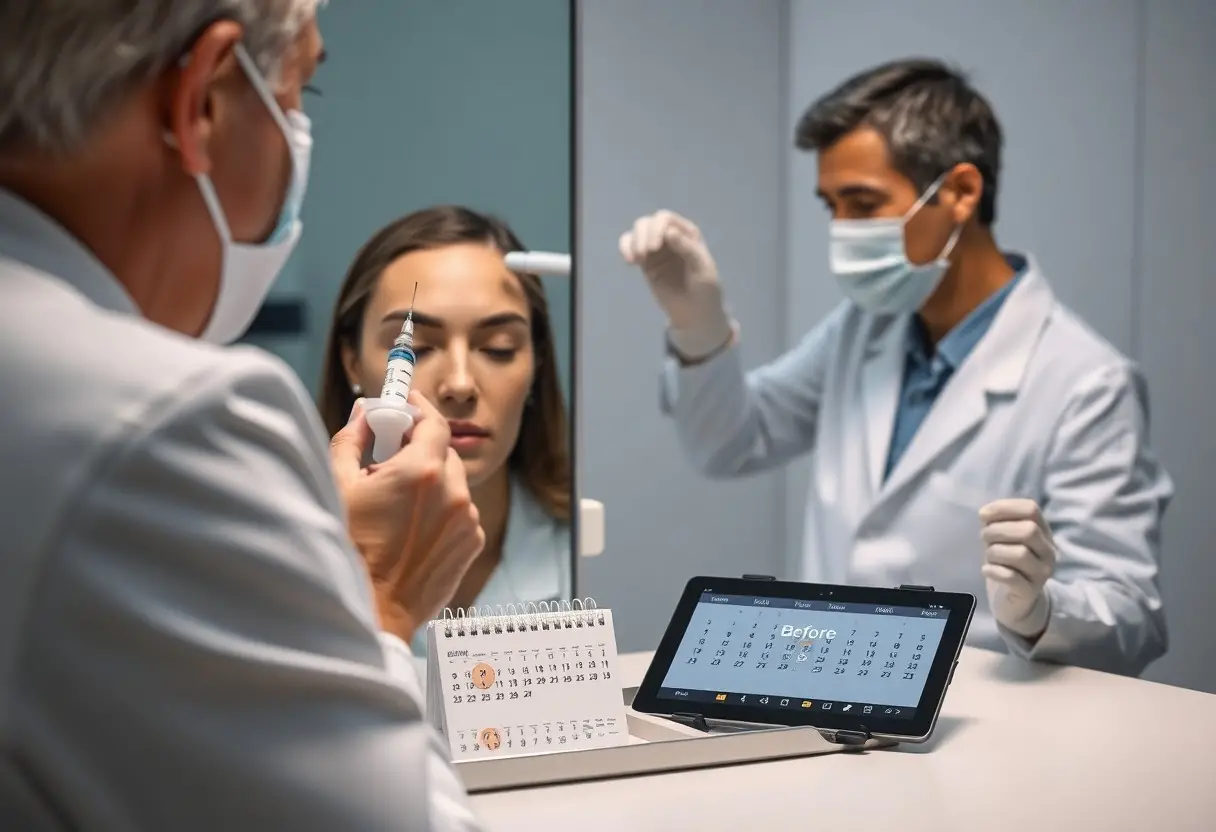
Watch for clinical cues such as returning movement, visible lines, or reduced smoothing that indicate you should book a follow-up with your injector to preserve results.
Return of Voluntary Muscle Contraction
If you regain voluntary movement in treated muscles, contact your provider; returning contraction shows the product’s effect is waning and you may need a touch-up or dosing review.
Reappearance of Dynamic Wrinkles
Observe when lines re-emerge during expression; when dynamic wrinkles return, you should discuss retreatment to maintain smooth contours and prevent deeper creasing.
Assess timing and severity: if fine lines return before your expected interval or deepen with movement, your injector can adjust injection sites, units, or frequency so you maintain longer-lasting, natural results.
Expert Strategies for Extending Results
Strategies you can adopt to extend Botox effects include scheduling follow-ups at optimal intervals, pairing with appropriate skincare, and minimizing repetitive facial movements.
Post-Treatment Care and Skincare Synergy
Aftercare matters: apply gentle cleansers, avoid intense facials for two weeks, use peptide-rich moisturizers, and follow injector instructions to protect results.
The Importance of Consistent UV Protection
Daily UV protection preserves Botox effects by preventing collagen breakdown and pigment changes; use broad-spectrum SPF 30+ and reapply every two hours when outdoors.
Sun exposure accelerates dermal collagen loss and can shorten the visible benefits of neuromodulators; you should prioritize broad‑spectrum SPF 30+ applied 15 minutes before going outdoors, reapply every two hours or after sweating, wear wide-brim hats and UV-blocking sunglasses, and add topical antioxidants to reduce photo-oxidative damage-these steps help maintain smoother, longer-lasting results.
The Risks of Inconsistent Treatment Timing
Irregular treatment timing leads to fluctuating results, unpredictable lines, and brief rebounds in muscle movement, so you risk inconsistent appearance and harder-to-maintain outcomes.
Avoiding Muscle Atrophy and Over-Treatment
You should space treatments to avoid muscle atrophy from overuse and to prevent compensatory muscle strain; consult your provider to tailor intervals based on muscle response and treatment goals.
Managing the Potential for Neurotoxin Resistance
Monitoring for antibody development helps you catch early resistance; using the lowest effective dose, extending intervals when possible, and switching formulations under medical guidance can lower that risk.
Frequent high-dose or tightly spaced treatments increase your chance of developing neutralizing antibodies that reduce effectiveness; risk rises with cumulative exposure and products containing complexing proteins. If you notice a shortened duration or sudden loss of effect, ask your clinician about antibody testing, alternative serotypes, dose adjustments, or longer intervals to restore response.
Summing up
Following this, you should plan Botox touch-ups about every 3-4 months initially, then extend intervals as results and guidance from your provider allow; stick to professional assessments, adjust for lifestyle and metabolism, and prioritize consistent follow-up to maintain long-lasting results.