
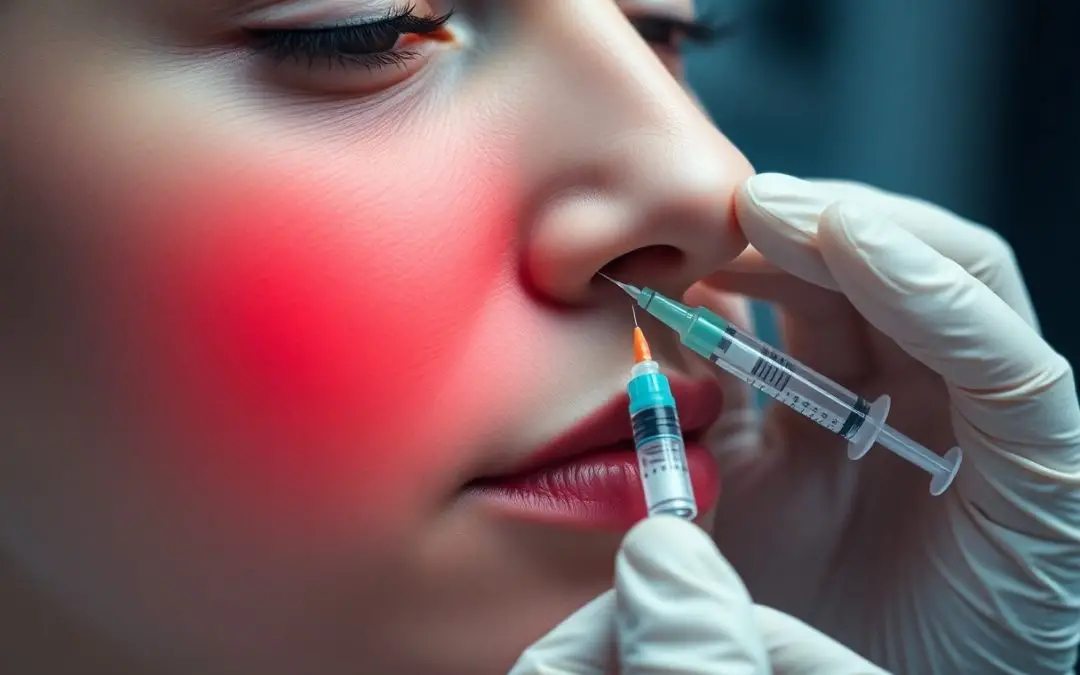
You may be searching for effective treatments to manage the persistent redness associated with rosacea. Recent studies suggest that Botox, traditionally known for its wrinkle-reducing properties, might offer a promising solution for alleviating the symptoms of this chronic skin condition. This innovative approach could help you regain confidence in your complexion, offering relief from flare-ups and skin irritation. In this blog post, we will explore how Botox can benefit those suffering from rosacea, providing insights into its application, efficacy, and what you can expect from the treatment.
Understanding Rosacea
Your skin may experience various conditions, and one of the most perplexing is rosacea. This chronic skin disorder primarily affects the face, leading to noticeable redness and a variety of other symptoms. As a common yet misunderstood condition, understanding rosacea is important in managing its effects and finding suitable treatments.
Overview of Rosacea
Rosacea is a progressive skin condition characterized by facial redness and visible blood vessels, commonly affecting adults between 30 and 50 years old. It may present itself in varying degrees, often starting with a mild flushing that becomes more persistent over time. Without appropriate care, the symptoms can escalate, impacting your self-esteem and overall quality of life.
Symptoms and Triggers
Any number of symptoms may accompany rosacea, including persistent redness, acne-like bumps, burning sensations, and thickened skin. Triggers can vary widely, encompassing environmental factors such as heat, sunlight, and wind, as well as lifestyle choices like diet and stress. Understanding your specific triggers can empower you to manage your symptoms more effectively.
Consequently, being aware of your individual symptoms and triggers becomes important. Many people experience flare-ups due to certain foods, beverages, or even emotional stress. By identifying what provokes your rosacea, you can develop a personalized approach to minimize its effects, enhancing your skin’s appearance and promoting your confidence in social situations.
1. Botox reduces redness by blocking nerve signals.
2. Treatment lasts several months for persistent results.
3. Minimal downtime, quick procedure, fast recovery.
4. Suitable for various rosacea types, including flushing.
5. Consultation with a dermatologist is imperative.
6. Side effects can occur but are typically mild.
Traditional Treatment Options
Clearly, traditional treatment options for rosacea often focus on managing the symptoms rather than addressing the underlying causes. These options can range from topical treatments and oral medications to lifestyle modifications. While these methods can provide relief from redness and irritation, they may not be effective for everyone. Understanding the various approaches can help you make informed decisions about managing your rosacea effectively.
Topical Treatments
Before exploring topical treatments, it’s important to note that these products are designed to reduce inflammation and redness directly on your skin. Common options include prescription creams and gels that contain active ingredients specifically formulated for rosacea, such as azelaic acid and metronidazole. Consistency in application is key to achieving noticeable results.
Oral Medications
An alternative approach for treating rosacea may involve oral medications, particularly for more severe cases. Doctors often prescribe antibiotics like doxycycline to reduce inflammation and prevent flare-ups. You may find these medications beneficial, especially if topical treatments alone do not suffice.
The effectiveness of oral medications can vary between individuals; however, many people report positive results after a course of treatment. These medications help target the internal causes of rosacea, providing a comprehensive approach for those struggling with persistent redness. Always consult your healthcare provider to determine the right option for your specific needs, and discuss potential side effects and long-term management strategies.
The Role of Botox
Keep in mind that Botox has emerged as a promising treatment for rosacea, a condition characterized by persistent redness and visible blood vessels on the face. By targeting specific muscle groups, Botox can help alleviate some symptoms associated with rosacea, offering you a new avenue for relief beyond traditional treatments. This innovative approach is gaining attention for its potential effectiveness and safety profile.
Mechanism of Action
To understand how Botox works for rosacea, it’s important to know that it blocks the release of certain neurotransmitters that can trigger your blood vessels to dilate. This reduction in vascular responses helps decrease redness and flushing, making you feel more confident in your skin. By precisely injecting Botox into targeted areas, you can effectively manage symptoms associated with your rosacea.
Effectiveness for Rosacea
An increasing number of studies suggest that Botox can be a beneficial treatment option for those suffering from rosacea. Many patients report a noticeable reduction in facial redness and flushing after receiving Botox injections, which can lead to improved quality of life.
In fact, multiple clinical trials have demonstrated that Botox can significantly reduce symptoms in patients with rosacea. Many individuals experience longer-lasting results, with improvements noted for several months post-treatment. The positive outcomes are often coupled with minimal side effects, making Botox an attractive option for those who have not responded well to conventional treatments. As you consider your options, discussing Botox with a qualified dermatologist can help you determine if this approach is suitable for your unique skin concerns.
Benefits of Botox for Rosacea
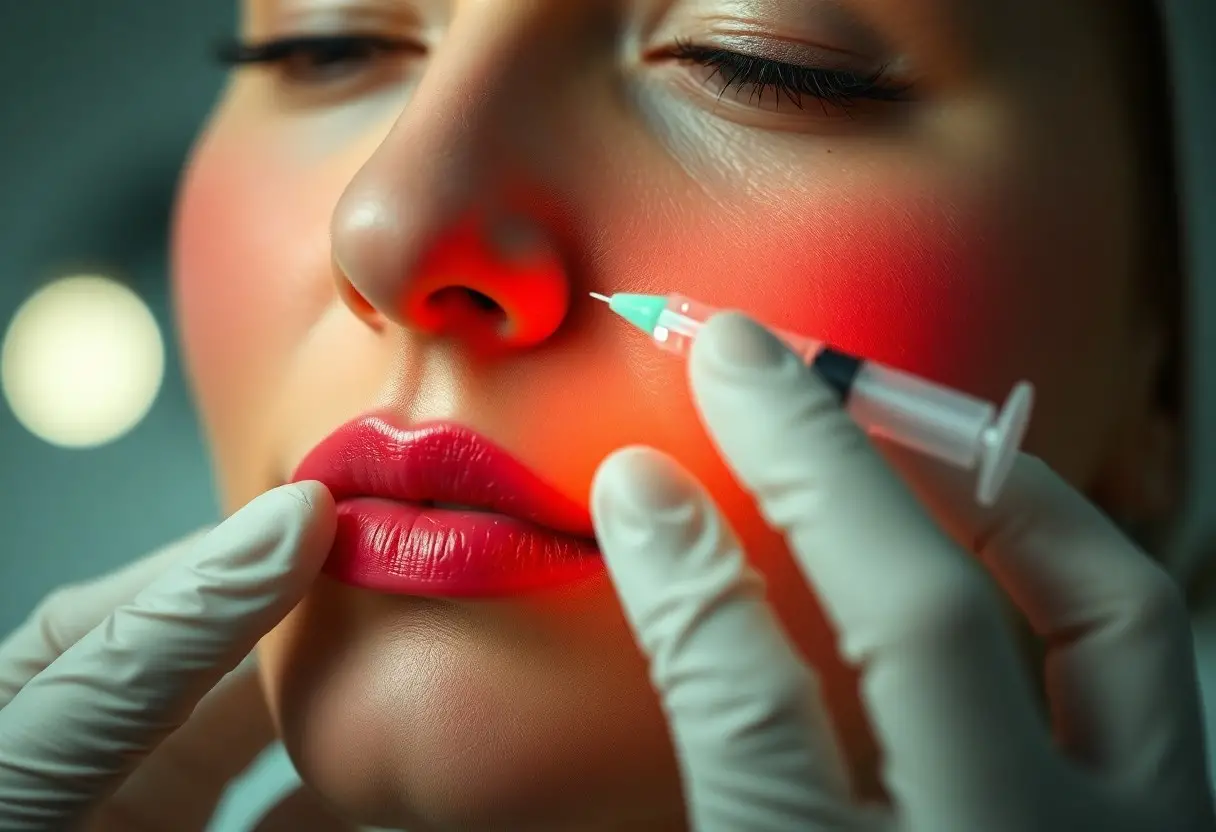
All individuals experiencing rosacea often seek effective solutions to manage their skin redness. Botox presents a promising alternative, offering not only a reduction in flare-ups but also a significant improvement in overall skin appearance. This non-invasive procedure can help you regain your confidence and enjoy your daily life without the embarrassment of persistent redness.
Reduction in Redness
About 70% of patients report a noticeable reduction in facial redness after undergoing Botox treatment for rosacea. By targeting the blood vessels that contribute to flushing, Botox effectively prevents the skin from becoming overly reactive. This targeted approach allows you to experience a calmer complexion, leading to an improved quality of life and enhanced self-esteem.
Duration of Results
One of the standout benefits of Botox for treating rosacea is the longevity of its results. Many patients find that the effects can last up to three to six months, providing a significant break from redness and discomfort.
This duration offers you an extended window of relief, reducing the need for frequent treatments. Maintaining your results may also encourage you to explore additional skincare routines or preventive measures, allowing you to create a comprehensive plan for managing rosacea. Regular follow-up sessions can easily help you sustain a vibrant and even complexion, allowing you to enjoy lasting confidence in your skin.
Risks and Considerations
To ensure your safety and satisfaction with Botox for rosacea, it’s vital to understand the potential risks and considerations involved. While many individuals benefit from the treatment, you should be aware of certain factors that may affect your experiences, such as potential allergies, specific medical conditions, and the expertise of the practitioner performing the procedure. Always consult a qualified dermatologist to evaluate your unique situation before proceeding.
Potential Side Effects
Considerations regarding potential side effects are important when considering Botox for rosacea. Some individuals may experience temporary bruising, swelling, headaches, or mild discomfort at the injection site. These side effects typically resolve quickly, but being informed can help you manage your expectations and minimize anxiety surrounding the procedure.
Who Should Avoid Botox
Any individual with specific allergies, neuromuscular disorders, or those who are pregnant or nursing should avoid Botox. Consulting with your healthcare provider is vital to ensure that the treatment is safe for you, as certain pre-existing conditions may increase your risk of complications.
Side effects from Botox can vary widely among individuals, so it’s vital to discuss your medical history thoroughly with your provider. If you have conditions like myasthenia gravis, Lambert-Eaton syndrome, or if you are taking certain medications, the risks may outweigh the potential benefits. Always prioritize your health by seeking professional guidance tailored to your circumstances.
Patient Experiences
After undergoing Botox treatment for rosacea, many patients report noticeable improvements in skin redness and texture. These experiences highlight the potential benefits of Botox as an effective option for managing rosacea symptoms, offering a new pathway to clearer skin and enhanced self-confidence.
Case Studies
Any analysis of Botox treatment reveals promising outcomes for rosacea patients. Here are some notable case studies:
- Case Study 1: 35-year-old female with moderate rosacea saw a 75% reduction in redness after three Botox sessions over six months.
- Case Study 2: 42-year-old male experienced a 60% decrease in flare-ups after two treatments, lasting up to eight months.
- Case Study 3: 29-year-old female found that Botox reduced redness significantly, from a baseline score of 7 to 2 out of 10 post-treatment.
- Case Study 4: 50-year-old male reported a 50% improvement in skin texture and reduced sensitivity following four sessions.
Testimonials
Around the community, testimonials from patients highlight various positive outcomes following Botox for rosacea. Individuals shared their newfound freedom from the constant embarrassment of skin redness, affirming that the treatment not only improved their complexions but also their overall quality of life. Many noted that they felt more comfortable in social settings and enjoyed greater confidence.
But every patient reacts differently to Botox treatment, and personal experiences may vary. It is vital to consult with a qualified medical professional to determine what approach works best for your unique skin condition. Each testimonial serves as a reminder of the treatment’s potential, but your journey is uniquely yours and should be tailored to your needs for optimal results.
Final Words
So, if you are struggling with rosacea and the persistent skin redness it brings, consider exploring Botox as a new treatment option. This innovative approach not only helps to reduce redness but also targets the underlying triggers of your condition. As with any medical treatment, consult with a qualified professional to determine if Botox is right for your skin type and individual needs. Embracing this option could lead you to a more comfortable and confident journey in managing your rosacea.