
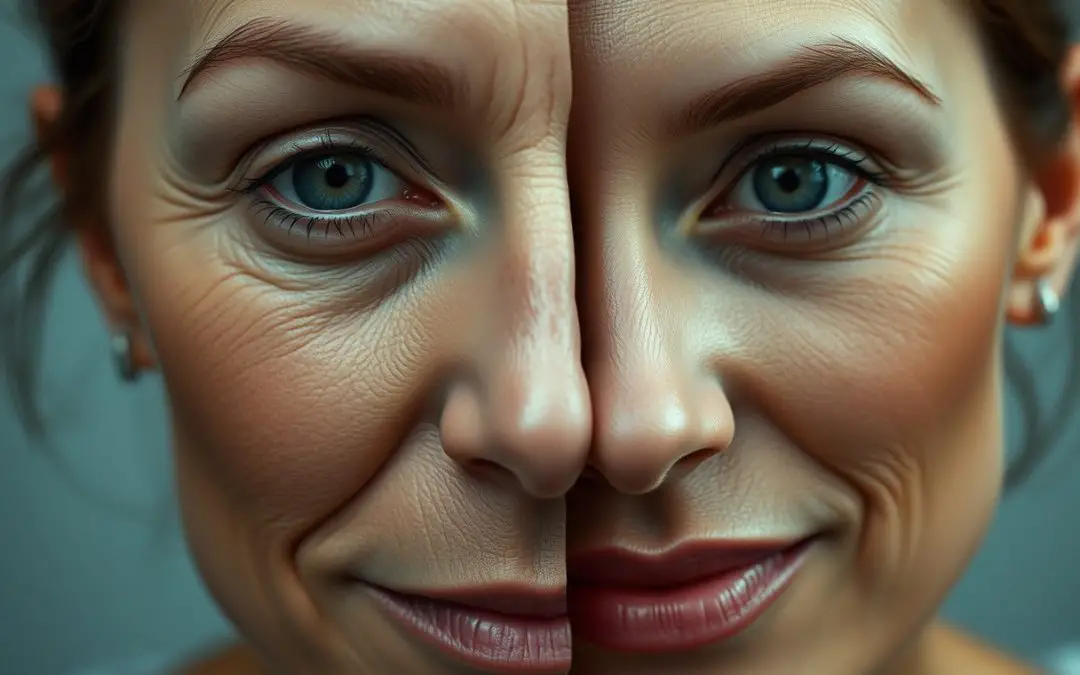
Expression plays a vital role in how you communicate emotions and connect with others. In today’s beauty and wellness landscape, many individuals seek ways to enhance their facial dynamics, leading to discussions around the effectiveness of Botox. This treatment not only smooths out wrinkles but can also subtly refine your facial cartography of expression, potentially transforming how your emotions are perceived. In this blog post, you will discover the nuances of Botox applications, and whether it truly can augment the way you express yourself.
Understanding Facial Cartography
Before delving into the nuances of Botox and its effects, it’s vital to understand facial cartography. This term refers to the mapping of your facial features and expressions, which serve as a canvas for conveying emotions and intentions. Each muscle movement plays a critical role in how you communicate nonverbally, emphasizing the importance of recognizing these subtle signals in your everyday interactions.
The Concept of Facial Expressions
Any conversation you engage in is influenced by facial expressions, which are powerful tools for conveying emotions like joy, anger, or surprise. These expressions are inherently linked to your underlying feelings, providing an immediate glimpse into your emotional state. Understanding this concept enables you to navigate social interactions more effectively.
The Importance of Nonverbal Communication
Conceptually, nonverbal communication is vital for developing genuine connections with others. Your facial expressions can convey messages that words sometimes fail to articulate, allowing you to express empathy, reassurance, or even disapproval more effectively. Recognizing how your facial cartography influences these nonverbal cues can enrich your interpersonal relationships.
Facial expressions contribute significantly to the context of any interaction, enhancing or altering the message conveyed through spoken words. They can establish rapport or create distance, depending on how you utilize them. By understanding the importance of your facial cartography, you become more adept at managing the subtleties of communication in social settings, ultimately fostering stronger connections and reducing misunderstandings.
1. Botox can reduce facial wrinkles and lines effectively.
2. It temporarily inhibits muscle movement for smoother appearance.
3. Emotional expression may become less pronounced with Botox use.
4. Individual results vary; consultation with professionals is vital.
5. Botox use can alter perception of facial emotions.
6. Consider risks and benefits before proceeding with treatment.
The Role of Botox in Aesthetic Enhancements
You may be curious about how Botox can enhance your facial aesthetics and improve your expression. This popular treatment temporarily paralyzes muscles, softening the appearance of wrinkles and fine lines. To maximize results, you can Learn facial muscle anatomy for Botox in 10 minutes, which will aid in understanding where the treatment can be most effective.
Mechanism of Action
Action is at the core of Botox’s effectiveness. When injected, it blocks nerve signals that cause muscle contractions. This leads to a smoother appearance by preventing the formation of wrinkles commonly found in areas like the forehead, around the eyes, and between the brows.
Popular Areas for Botox Application
With its versatility, Botox is frequently used in many facial areas to achieve a more youthful appearance. Treatments typically target dynamic wrinkles in the forehead, crow’s feet near the eyes, and frown lines between the brows.
Mechanism behind these popular applications lies in the facial expressions you make daily. Botox works exceptionally well in areas with repetitive movements. By strategically injecting Botox, you can soften those expression lines, resulting in a more relaxed and rejuvenated look.
Impact of Botox on Emotional Expression
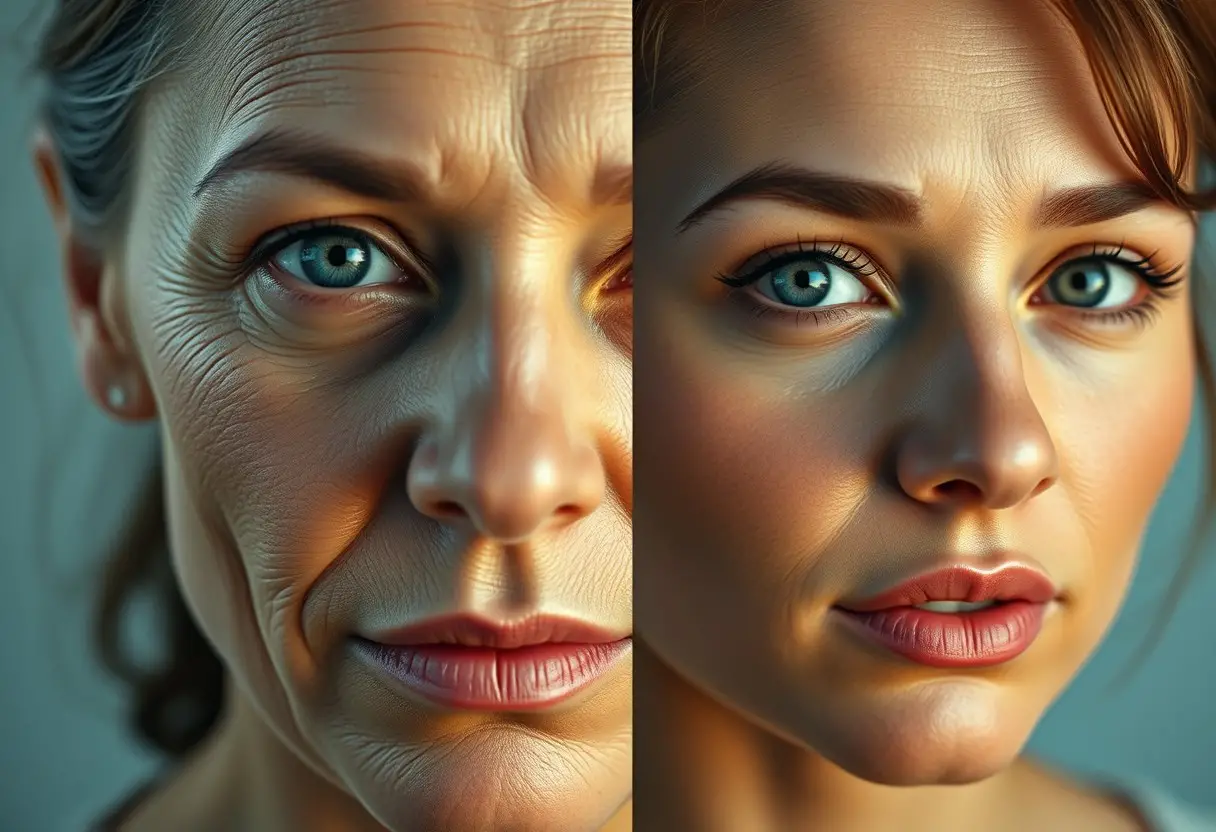
After receiving Botox, many individuals experience a noticeable change in their emotional expressions. This alteration can stem from the way botulinum toxin affects the muscles responsible for conveying feelings. As explored in this article on How botulinum toxin affects facial expression, the drug can minimize the range of emotions that can be displayed, leading to an intriguing conversation about the balance between aesthetics and authenticity in emotional communication.
Reducing Subtle Facials
Any reduction in subtle facial expressions caused by Botox can significantly affect your ability to convey nuanced emotions. While some expressions may appear smoother and more youthful, others that rely on slight muscular movements might become less apparent, potentially leading to misunderstandings in social interactions.
Perception of Authenticity
To understand the perception of authenticity following Botox treatment, consider how your altered expressions may influence how others view your emotional sincerity. A less expressive face might be interpreted as disinterest or aloofness, impacting your connections and relationships.
Understanding how facial expressions communicate emotions is vital in today’s social landscape. When you alter your expressions with Botox, you may inadvertently convey less authenticity. Your audience may struggle to interpret your feelings accurately, leading to potential disconnects in communication. Cultivating an awareness of how these subtle changes can affect interpersonal relationships enables you to navigate the complex emotional tapestry of human interaction more effectively.
Psychological Effects of Botox on Self-Perception
Unlike other cosmetic procedures, Botox can significantly alter your self-perception by diminishing signs of aging and enhancing your facial expressiveness. Many patients report a renewed sense of confidence as they perceive their reflections in a more positive light. This psychological transformation can lead to shifts in how you interact with others, potentially creating a feedback loop of increased self-assuredness and social engagement.
Confidence and Self-Esteem
An enhancement in your appearance through Botox can have immediate effects on your confidence and self-esteem. You might find yourself more willing to engage socially, initiate conversations, or even pursue new opportunities. The visible reduction of fine lines and wrinkles can empower you to express yourself freely, leading to a more vibrant and self-assured demeanor.
Societal Expectations and Influences
Psychological influences stemming from societal expectations often shape your perception of beauty and self-worth. You may feel pressured to conform to ideal standards, which can lead to the desire for treatments like Botox. The portrayal of youthful, wrinkle-free skin in media can impact your belief in what is considered attractive and can drive you to seek interventions that align with these societal ideals.
Effects of societal expectations can manifest in various ways, ranging from feelings of inadequacy to a strong urge to pursue aesthetic enhancements. You might notice that the constant exposure to curated images of beauty can create an internal dialogue that prioritizes appearance over authenticity. This societal pressure reinforces the importance of physical appearance in personal and professional success, which can lead to a cycle of seeking reassurance through cosmetic interventions like Botox.
Alternatives to Botox for Facial Expression Management
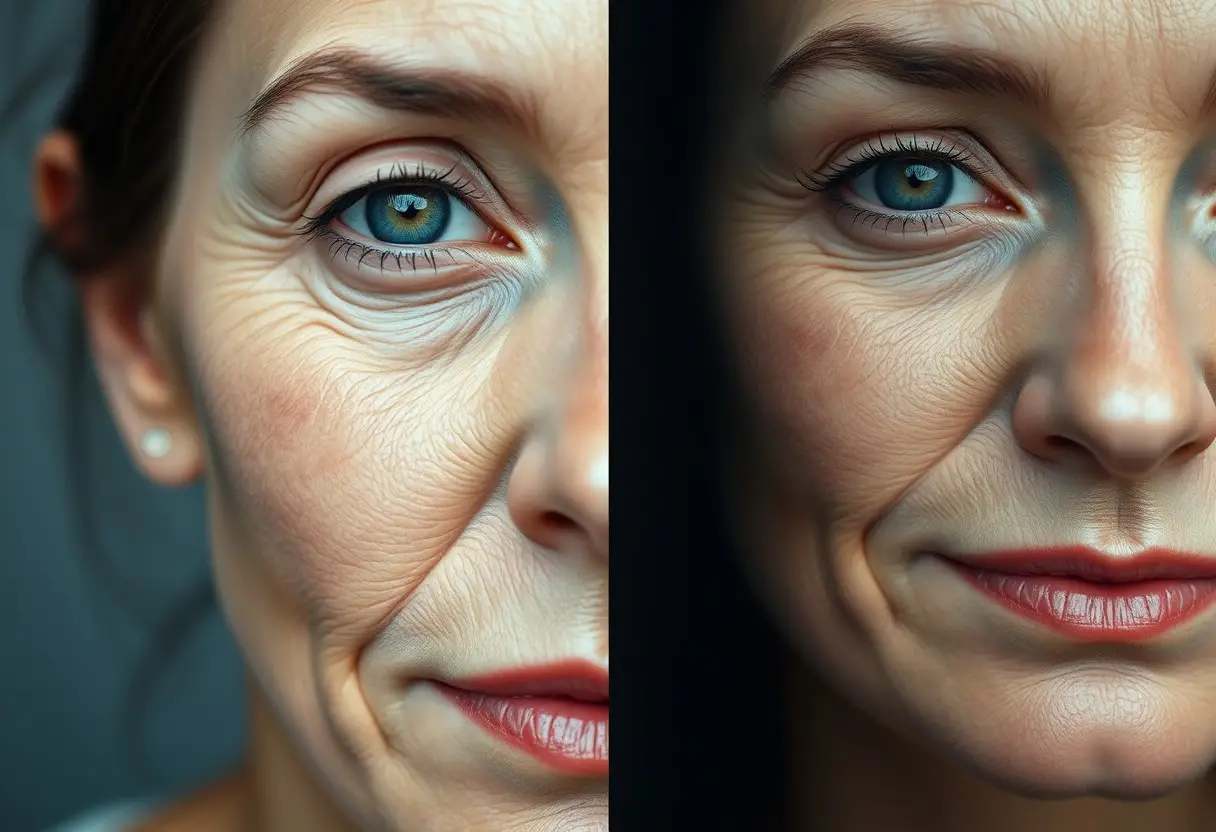
For those seeking alternatives to Botox, a variety of approaches can effectively manage facial expressions without the need for injections. These methods may include topical treatments, dermal fillers, or lifestyle changes that promote skin health, allowing you to maintain a dynamic range of expressions while addressing signs of aging. Exploring these options can help you achieve the desired look without compromising your natural facial expressions.
Non-Invasive Services
Any number of non-invasive services are available to help you achieve your aesthetic goals. Treatments such as chemical peels, microdermabrasion, and laser therapy can rejuvenate your skin and improve texture, allowing you to feel more confident about your appearance while retaining the full range of your expressions.
Psychological Therapy Approaches
An emerging area of focus in expression management involves psychological therapy approaches. These techniques emphasize emotional awareness and the impact of emotions on your facial expressions, allowing you to cultivate improved expression through cognitive and behavioral strategies.
Psychological therapy approaches can help you understand the connection between your emotions and your facial expressions. By working with a trained therapist, you can explore underlying feelings, increase emotional intelligence, and learn exercises that promote relaxation and expression control. Techniques like mindfulness, cognitive-behavioral therapy (CBT), and expressive arts therapy can all contribute to a nuanced understanding of your emotional landscape, enabling you to express yourself more freely and authentically.
Ethical Considerations Surrounding Botox Use
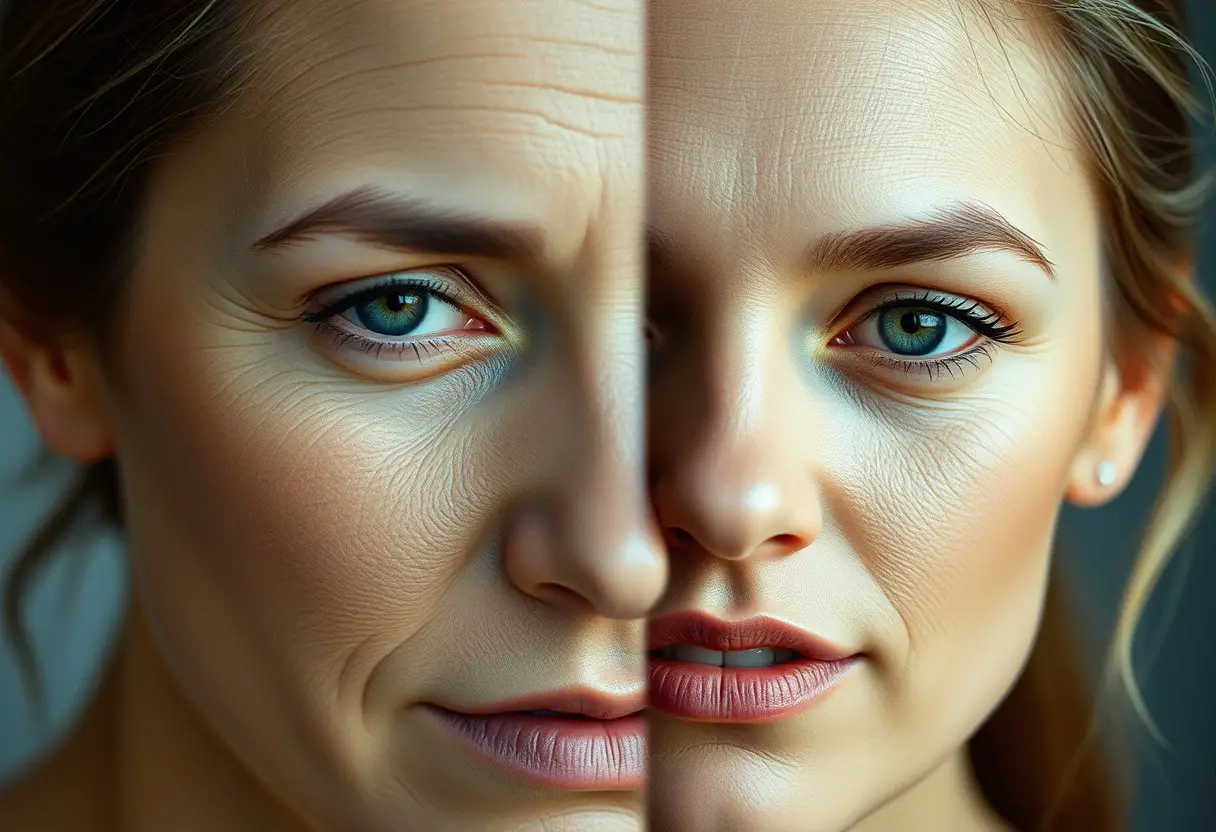
Keep in mind that while Botox can enhance your facial expressions, it raises ethical questions regarding autonomy, societal norms, and personal well-being. It’s necessary to consider the implications of choosing cosmetic procedures like Botox, particularly concerning authenticity and the messages sent to the broader community about beauty standards.
Autonomy vs. Social Pressure
An individual’s right to choose Botox is often at odds with societal pressures that dictate appearance norms. You might feel compelled to alter your look to fit in or meet external expectations, which can diminish the authenticity of your choices and impact your self-esteem.
Long-term Effects and Sustainability
An important consideration when contemplating Botox use is its potential long-term effects and sustainability. While Botox offers temporary results, you should be aware that repeated use may require ongoing treatments and could lead to dependencies on cosmetic enhancements, thereby influencing your self-image and financial resources.
Pressure to maintain a youthful appearance through Botox can lead to a cycle of treatments that may not be sustainable for your health or finances. You might find yourself in a position where the need for continual injections compromises your sense of self-worth and authenticity. Evaluating how Botox fits into your life choices is crucial to ensure it contributes positively to your overall well-being rather than becoming an obligation driven by external pressures.
Conclusion
Hence, understanding how Botox can augment your facial cartography of expression is crucial for making informed decisions about your aesthetic goals. By strategically targeting specific areas, you can achieve a more harmonious balance in your facial expressions while maintaining a natural appearance. This treatment allows you to express emotions effectively without the constraints of excessive lines or wrinkles, enhancing your overall facial communication. Engaging with a qualified professional ensures that you receive tailored advice suited to your individual needs, allowing you to embrace your expressive journey with confidence.