
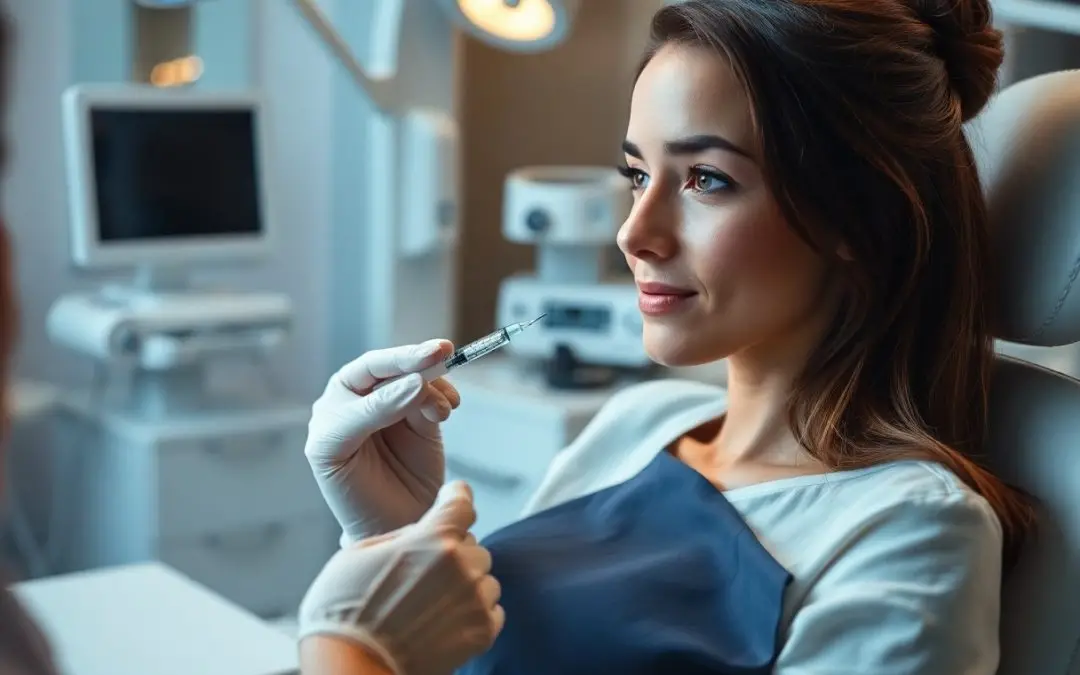
Many people consider preventative Botox as a proactive approach to skincare, aimed at delaying the appearance of wrinkles. If you’re contemplating this treatment, understanding its effectiveness and ideal timing can significantly influence your decision. This post probes into how Botox works, its benefits for preventing wrinkles, and factors to consider before taking the plunge, helping you make informed choices for your skin’s future.
Understanding Botox
What is Botox?
Botox is a neurotoxin derived from the bacterium Clostridium botulinum, primarily used to reduce the appearance of wrinkles. It temporarily paralyzes targeted muscles by blocking the release of the neurotransmitter acetylcholine, preventing muscle contractions that contribute to wrinkle formation. Widely recognized for its cosmetic applications, Botox serves as a preventive measure for many individuals looking to maintain a youthful appearance.
How Botox Works
The mechanism of Botox involves its injection directly into specific facial muscles. Once injected, it interferes with the communication between nerve endings and muscles. As a result, you will notice a reduction in muscle movement, leading to fewer dynamic wrinkles while at rest. Over time, this can translate to a smoother, more youthful look, as the continual absence of muscle contractions allows the skin to maintain its elasticity.
As Botox inhibits muscle contractions, it effectively alters the dynamics of facial expressions. For instance, when you smile or frown, your facial muscles create lines that can deepen over time. By using Botox early, you can lessen these movements, making it harder for deep wrinkles to form. Studies show that starting Botox treatments in your late 20s to early 30s could significantly delay the onset of static wrinkles, emphasizing its potential as a preventative measure as you age.
The Science Behind Preventative Botox
Ageing and Wrinkle Formation
As you age, your skin undergoes various changes that contribute to wrinkle formation. The loss of collagen and elastin, combined with repeated facial movements, causes fine lines to deepen. Environmental factors like sun exposure and pollution further accelerate this process, making it crucial to understand how to mitigate these effects. Starting preventative treatments earlier can significantly impact your skin’s longevity and appearance.
Preventative Benefits of Botox
Botox acts by temporarily paralyzing the muscles that cause dynamic wrinkles, allowing your skin to remain smooth and wrinkle-free. By addressing these muscle contractions before deep lines develop, you can maintain a youthful appearance longer. Many dermatologists suggest starting Botox in your late 20s or early 30s as a strategic move to preserve skin elasticity and prevent wrinkles from establishing in the first place, potentially reducing the need for more invasive treatments later.
This proactive strategy not only smooths out existing fine lines but can also alter how your skin ages over time. Studies have shown that individuals who start Botox early experience fewer and less severe wrinkles as they get older. For example, consistent treatments can lead to a noticeable improvement in skin texture and tone. The cumulative effect of early intervention may also enhance your skin’s overall health, enabling it to resist the factors that contribute to premature aging effectively.
Ideal Candidates for Preventative Botox
Identifying ideal candidates for preventative Botox involves evaluating age, skin type, and personal concerns. Generally, individuals in their mid-20s to early 30s who have a family history of early wrinkles or those with dynamic expressions that lead to fine lines can benefit the most. Consulting with a skilled practitioner allows for tailored recommendations based on your unique needs.
Age Considerations
The best age to start preventative Botox varies, but many experts suggest considering treatment in your late 20s to early 30s. At this stage, your skin begins to lose elasticity, and fine lines may start to form. Initiating Botox during this period can impede wrinkle development, allowing for a smoother appearance as you age.
Skin Types and Concerns
Your skin type plays a significant role in determining if you should pursue preventative Botox. For instance, individuals with oily skin often experience different ageing signs compared to those with dry or combination skin. Recognizing your skin type and related concerns—such as sensitivity or underlying conditions—can guide your decision on whether Botox is suitable for you.
| Skin Type | Botox Consideration |
|---|---|
| Oily | May benefit from less frequent treatments |
| Dry | Requires more consideration for skin hydration |
| Combination | Tailored approach as conditions vary |
| Sensitive | Consultation needed to assess treatment |
| Normal | Typically responds well to treatments |
In addition to age, your skin type and concerns matter greatly when considering preventative Botox. Oily skin may notice a different onset of wrinkles than dry skin types. For example, those with dry skin may require more frequent hydration in conjunction with Botox to ensure optimal results. Always discuss any concerns, including skin conditions like rosacea or eczema, with your practitioner for the best outcomes.
- Consult your practitioner to determine suitability.
- Know that results vary based on skin type.
- Consider how your lifestyle impacts treatment outcomes.
- Assess any potential allergies or sensitivities.
- Thou should prioritize tailored treatment approaches.
| Skin Concern | Recommended Action |
|---|---|
| Rosacea | Consult for sensitivity management |
| Acne-Prone | Evaluate treatment frequency with care |
| Age Spots | Combine treatments for comprehensive care |
| Sun Damage | Consider skin conditioning before Botox |
| Uneven Texture | Explore options for improvement alongside Botox |
Treatment Frequency and Dosage
The effectiveness of preventative Botox largely depends on the treatment frequency and the dosage administered. Regular sessions help maintain muscle relaxation and prevent the formation of new wrinkles. Experts suggest that starting treatments in your late 20s to early 30s can yield the best long-term results. You might find that scheduling sessions every three to four months allows for optimal effects while addressing dynamic wrinkles before they become static.
Recommended Treatment Schedule
Your initial treatment schedule can significantly impact results. For those beginning preventative Botox, a common recommendation is to receive injections every three to four months. This frequency ensures that the neurotoxin continues to inhibit muscle movement, thereby preventing wrinkle development. After consistent treatments over the first year, you may adjust the schedule based on your specific response and desired outcome.
Dosage Guidelines
Dosage is another pivotal factor in achieving desired results with preventative Botox. Generally, practitioners may administer 20 to 40 units for your first session, depending on individual facial anatomy and muscle activity. It’s imperative to consult with a qualified provider who can personalize your dosage based on factors such as age, skin condition, and treatment goals, ensuring a safe and effective experience.
For further clarity on dosage guidelines, consider that the precise number of units may vary based on specific areas treated. For example, you might receive lower doses in areas with less muscle movement, while more active regions could require higher doses. Each treatment should be tailored to your unique facial structure and how your skin responds to the neurotoxin. Over time, consistent assessments with your provider will help refine these dosages and enhance your preventative regimen.
Risks and Considerations
While preventative Botox can offer benefits, it’s imperative to weigh the risks and consider individual suitability. Potential complications may include bruising, swelling at the injection site, or asymmetry in facial expressions. Consulting with a qualified practitioner can help mitigate risks and tailor treatments to your unique needs.
Potential Side Effects
Side effects from Botox are usually mild but can include headaches, eyelid drooping, or temporary muscle weakness. These reactions typically resolve within a few days to weeks. Understanding these potential side effects can help you stay informed and prepared for your treatment experience.
Long-term Effects of Preventative Botox
Investing in preventative Botox raises questions about its long-term effects on your skin and facial dynamics. Research suggests that consistent use may lead to reduced wrinkle formation, but some studies indicate potential changes in muscle activity over time.
Long-term use of Botox has shown some promise in maintaining smoother skin, as it may train your facial muscles to stay relaxed. However, concerns exist regarding muscle atrophy from prolonged use, which could potentially lead to altered facial expressions. It’s imperative to discuss your expectations and potential outcomes with your practitioner, particularly for ongoing treatments and their implications on your facial structure in the future. Balancing maintenance and natural expressions remains a critical consideration in your Botox journey.
Alternatives to Preventative Botox
Skincare Regimens
Implementing a robust skincare regimen can significantly contribute to wrinkle prevention. Incorporate products with antioxidants like vitamin C, retinoids, and hyaluronic acid to enhance your skin’s elasticity and hydration. Regular exfoliation, sun protection, and moisturizing will also fortify your skin against aging, leading to a smoother, more youthful appearance without invasive treatments.
Other Cosmetic Treatments
Beyond Botox, various cosmetic treatments can help maintain youthful skin. Dermal fillers, laser therapy, and chemical peels offer non-invasive options for combating signs of aging. Utilizing these treatments in conjunction with a diligent skincare routine can help you achieve and sustain a youthful look, addressing specific concerns while promoting overall skin health.
For instance, dermal fillers can add volume and smooth out fine lines by replenishing lost hyaluronic acid. Laser therapy targets pigmentation issues and stimulates collagen production, enhancing skin tone and texture over time. Chemical peels exfoliate the upper layers, revealing fresher skin beneath. Each option has unique benefits that can complement your skin’s needs, allowing for a tailored approach to aging gracefully.
To wrap up
With these considerations, you can see that preventative Botox may be an effective strategy for stopping wrinkles before they start. While results can vary based on individual factors such as skin type and age, starting treatments early could help reduce the depth of future wrinkles. It’s important to consult with a qualified practitioner to discuss your goals and develop a personalized approach that aligns with your skincare needs. By taking this proactive step, you can potentially maintain your skin’s youthful appearance for longer.