
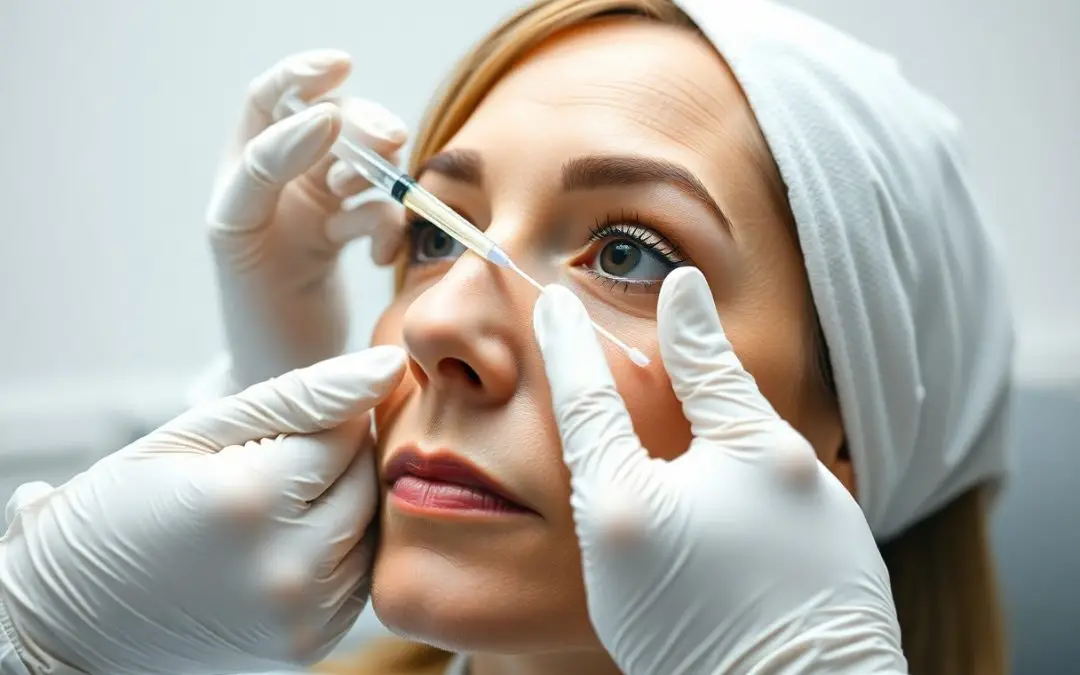
The Science Behind Neuromodulators
Science explains how neuromodulators reduce muscle activity to smooth lines; you see cosmetic and functional benefits when targeted injections interrupt nerve signals, giving predictable results with temporary effects and minimal downtime.
Understanding Botulinum Toxin Type A
Botulinum toxin type A is a purified protein that you receive in small, controlled doses; it blocks acetylcholine release at neuromuscular junctions, reducing muscle contractions and softening expression lines while wear-off is gradual.
Mechanism of Action on Dynamic Muscle Movement
Neuromodulators target overactive muscles so you can reduce movement that causes dynamic wrinkles; effects appear days after treatment as synaptic transmission resumes slowly, offering temporary modulation of expressions.
Injection technique and dose determine how precisely you alter muscle activity, with smaller doses refining subtle movements and larger doses reducing broader muscle groups; onset, duration, and side-effect risk relate to these variables.
Common Aesthetic Applications for Adults
Many adults choose Botox to soften dynamic lines and restore a refreshed appearance; you receive personalized dosing and precise placement for natural results with minimal downtime.
Smoothing Forehead Furrows and Glabellar Lines
You can soften horizontal forehead creases and vertical glabellar “11” lines with targeted injections that reduce muscle movement while preserving natural expression; effects emerge within days and last months.
Addressing Crow’s Feet and Periorbital Wrinkles
Targeting crow’s feet, Botox relaxes the orbicularis oculi so you can smile without deep periorbital creasing; treatments are quick, low-pain, and often combined with complementary therapies.
When you pursue treatment for crow’s feet, your injector places small, precisely spaced units into the lateral orbicularis oculi to smooth dynamic lines while preserving eye closure. Results typically appear in three to seven days and last three to four months. You may notice mild bruising or swelling; avoid rubbing and intense exercise for 24 hours, and disclose any prior eyelid surgery or neuromuscular conditions at consultation.
The Psychological Impact of Facial Rejuvenation
You often notice improved mood and less self-consciousness after facial rejuvenation, as subtle changes can better align your reflection with how you feel, supporting day-to-day confidence and emotional balance.
The Connection Between Appearance and Self-Esteem
Your sense of self can shift when appearance aligns with identity, reducing negative self-talk and increasing willingness to try new activities or present yourself more openly.
Improving Social and Professional Confidence
When you look refreshed, others may read you as more alert and engaged, which can positively influence first impressions in both social gatherings and workplace interactions.
Beyond first impressions, sustained improvements often change your body language and risk tolerance: you may smile more, maintain eye contact, speak with greater assurance, and pursue opportunities that advance relationships and career growth.
Customizing the Treatment Plan
Personalized treatment plans balance your aesthetic goals with anatomy and lifestyle, aiming for refreshed looks that boost confidence without freezing your expressions.
Importance of a Clinical Consultation
During your consultation, the clinician assesses muscle movement, medical history, and expectations to recommend safe dosing and targeted placement tailored to you.
Tailoring Dosage for Natural-Looking Results
Adjusting doses across targeted sites preserves natural movement while smoothing lines, giving you subtle results that enhance confidence without appearing overdone.
You and your clinician will review muscle strength, previous toxin response, facial symmetry, and daily habits to choose starting units and spacing. Small, measured doses and strategic placement let your clinician refine results at follow-up, correcting asymmetry and maintaining expressiveness. Discuss combined treatments and realistic outcomes so dosing aligns with the natural look you want.
Patient Safety and Clinical Standards
You should expect clinics to follow strict infection control, consent procedures, and individualized dosing to reduce risks and promote predictable results.
Identifying Qualified Medical Practitioners
Choosing a licensed physician or certified injector ensures you receive proper assessment, technique, and emergency protocols tailored to your anatomy and medical history.
Understanding the Safety Profile and FDA Approvals
Understanding approved indications and known side effects helps you set realistic expectations and ask targeted safety questions before treatment.
FDA approvals mean a product demonstrated safety and effectiveness for specific uses in clinical trials; you should confirm which indications were tested and examine reported adverse events and trial populations. Ask your clinician for the exact product name, typical dosing, and whether post‑market studies or registries identify additional risks. When therapies are used off‑label, you deserve a documented informed-consent discussion that explains uncertainties, alternatives, and how your medical history may affect safety.
The Treatment Experience and Aftercare
Aftercare usually involves brief redness, gentle cleansing, and asking you to avoid strenuous exercise for 24 hours; most people resume normal activities the same day with simple post-care guidance.
Procedure Expectations and Minimal Downtime
You can expect quick injections with minimal discomfort, occasional pinpoint bruising, and little to no downtime-results emerge within days and settle over two weeks.
Best Practices for Prolonging Results
Maintain regular follow-up appointments, limit sun exposure, and pause intense facial treatments for a week to help your results last longer.
Scheduling treatments every three to four months keeps effects consistent; you should avoid alcohol and vigorous exercise for 24-48 hours, refrain from rubbing treated areas, apply daily SPF, stay well hydrated, and discuss any medications or planned cosmetic procedures with your provider to tailor a long-term maintenance plan.
To wrap up
Taking this into account, you can consider Botox as a practical option to reduce dynamic wrinkles, boost self-confidence, and refresh your appearance when administered by a licensed clinician; discuss goals, risks, and follow-up to ensure safe, individualized results.