

Most people are unaware that Botox, commonly associated with cosmetic enhancements, can also provide relief for those struggling with excessive sweating, known as hyperhidrosis. If you find yourself dealing with uncontrollable perspiration, you may be wondering whether Botox injections could be a viable solution for your condition. In this blog post, we will investigate into how Botox works, its effectiveness in treating excessive sweating, and what you can expect from the treatment process.
Understanding Excessive Sweating
To grasp the phenomenon of excessive sweating, also known as hyperhidrosis, it’s important to recognize that it’s not merely a result of physical activity or heat. This medical condition can significantly affect various body parts, such as the palms, feet, and underarms. By comprehending the underlying factors, you can navigate your options for managing this often-embarrassing issue more effectively.
Definition and Causes
Understanding excessive sweating involves recognizing that it is a condition where your body produces an abnormally high amount of sweat. Various factors contribute to this, including genetics, hormonal changes, and certain medical conditions. Identifying the root cause can help you approach appropriate treatment options.
Impact on Daily Life
Life with excessive sweating can be quite challenging, affecting your confidence and daily interactions. You may find social situations daunting, as the fear of sweat stains or odor can hinder your ability to engage comfortably with others.
In addition to social anxiety, excessive sweating can impact your professional life as well. You might feel self-conscious during meetings or presentations, worrying about how others perceive you. This pervasive concern can lead to a cycle of stress, further exacerbating your symptoms. Finding ways to cope with this condition can help you regain control and improve your quality of life.
Overview of Botox
Even though Botox is often associated with cosmetic procedures, it has medical applications as well. It is widely recognized for its ability to reduce the appearance of wrinkles, but it is also effective in treating conditions like excessive sweating, migraines, and muscle disorders. Understanding Botox’s properties and how it interacts within the body can help you determine if it’s the right solution for your excessive sweating issues.
What is Botox?
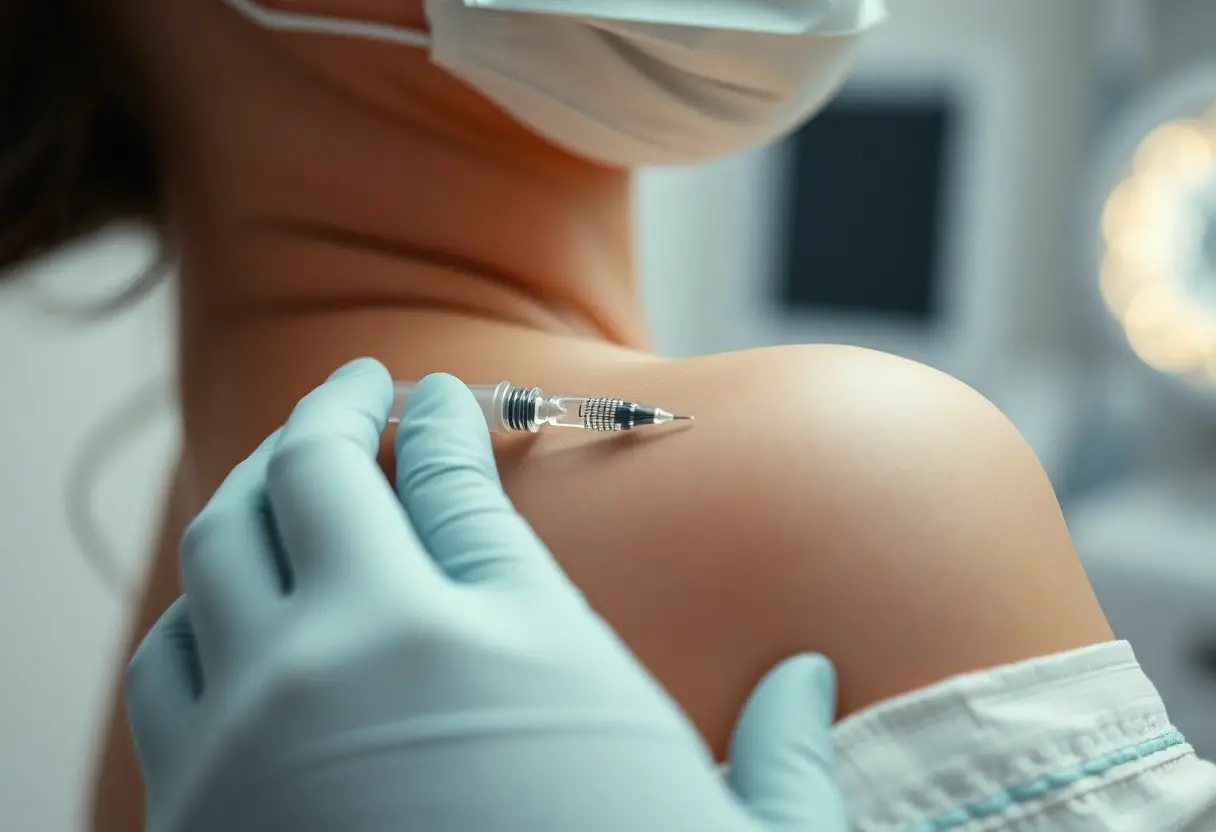
An injectable treatment derived from the botulinum toxin, Botox temporarily paralyzes muscles to prevent them from contracting. This effect is not only useful for aesthetic purposes but also serves therapeutic functions. It is injected into specific areas to target nerves responsible for excessive sweating, offering a reduction in sweat production for those who struggle with hyperhidrosis.
How Botox Works
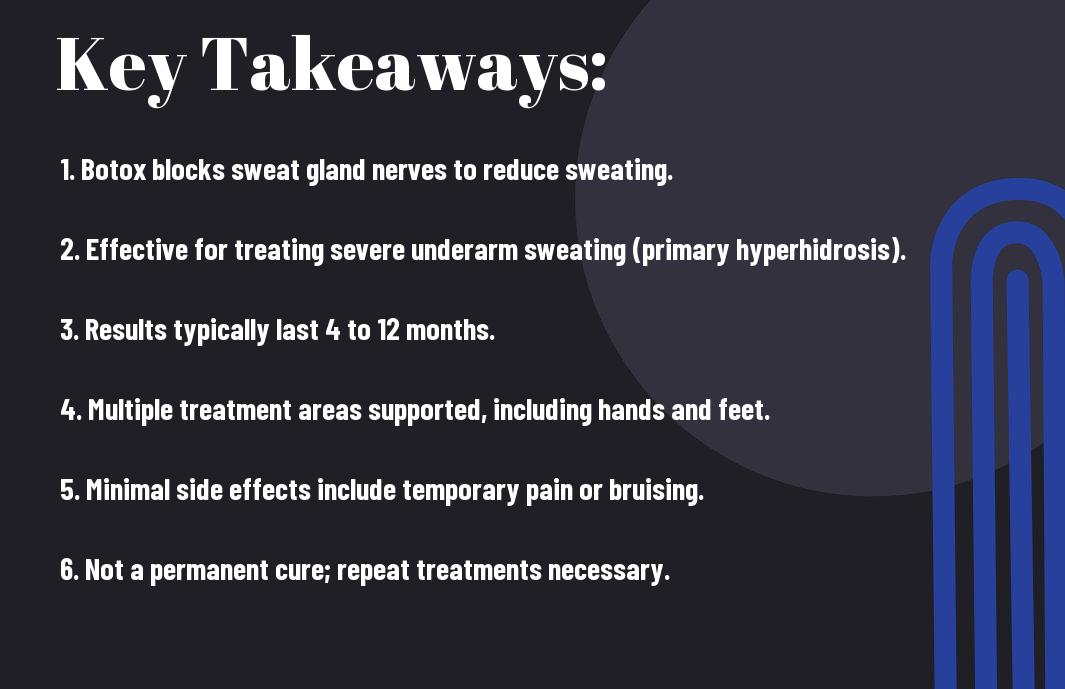
Overview of how Botox works reveals that it targets the neurotransmitters that signal sweat glands to produce moisture. By injecting Botox into the affected area, you inhibit these signals, effectively reducing sweat output. The result is a noticeable decrease in sweating, allowing you to feel more comfortable in daily life.
It’s important to keep in mind that the effects of Botox can last several months, typically requiring follow-up treatments to maintain the benefits. The injections specifically block the chemical messengers that tell your sweat glands to work, which can result in significant relief from excessive sweating. This makes Botox a popular choice for individuals looking to manage hyperhidrosis effectively.

Botox for Excessive Sweating
Once again, Botox has emerged as a viable solution for those suffering from excessive sweating, also known as hyperhidrosis. This treatment involves injecting small amounts of Botox into specific areas of the body, effectively blocking the nerve signals that trigger sweat production. Many individuals experience significant relief, allowing them to lead more comfortable and confident lives.
FDA Approval and Uses
The U.S. Food and Drug Administration (FDA) has approved Botox for treating excessive sweating in areas such as the underarms, palms, and soles of your feet. It is recognized as a safe and effective option for people who have not found success with topical antiperspirants or other treatments.
Effectiveness and Results
At your first appointment, you can expect the Botox treatment to start showing results within a few days, with the full effects typically lasting several months. Many patients report a significant reduction in sweating, allowing for a more enjoyable daily life.
Plus, the results can vary depending on the area treated and individual response. Most users find that the effects of Botox for excessive sweating can last anywhere from four to twelve months, making regular follow-up appointments necessary to maintain results. Additionally, side effects are generally mild and manageable, such as temporary pain or swelling at the injection site, ensuring that you can feel confident during and after the treatment.
Benefits of Botox Treatments
Unlike traditional treatments for excessive sweating, Botox offers a targeted approach to help manage your symptoms effectively. By blocking the signals that stimulate sweat glands, you can experience reduced sweating in areas such as the underarms, hands, and feet. This non-invasive treatment not only minimizes discomfort but also enhances your quality of life by providing confidence and freedom in your daily activities.
Quick Procedure and Recovery
About 15 to 30 minutes is all it takes for a Botox session, making it a convenient option for those with busy lifestyles. There is no need for extensive downtime, allowing you to return to your daily routine shortly after the procedure. Most patients can resume normal activities immediately, making it an appealing solution for managing excessive sweating.
Long-Lasting Relief
With regular Botox treatments, you might find significant and long-lasting relief from excessive sweating, often experiencing results that can last up to six months or more. This longevity makes it a practical choice for those seeking stability in their sweating management.
It’s important to note that while individual experiences may vary, many people report a marked improvement in their symptoms over time. Regular treatments can help to maintain your results, minimizing the recurrence of excessive sweating and contributing to greater overall comfort in your daily life. Be sure to discuss your specific needs with a qualified professional to determine the best treatment schedule for you.
Risks and Side Effects
Now, while Botox can effectively reduce excessive sweating, it is not without its risks and potential side effects. You should be aware that side effects can range from mild to severe, and it’s important to discuss these with your healthcare provider before proceeding with the treatment. Understanding these risks helps you make an informed decision about whether Botox is the right choice for your situation.
Common Side Effects
Behind the benefits of Botox, you may experience some common side effects. These can include localized pain at the injection site, swelling, bruising, or temporary weakness in the affected area. Most of these effects are mild and typically resolve within a few days, but it’s imperative to monitor how your body responds after the procedure.
Rare Complications
Complications from Botox for excessive sweating are infrequent but can occur. These may include allergic reactions, breathing difficulties, or unusual muscle weakness that can affect your daily activities. It’s crucial to consult with your healthcare provider if you experience any severe or unexpected symptoms following your treatment.
And while serious complications are rare, they can pose significant challenges. You may face difficulties such as drooping eyelids, difficulty swallowing, or even respiratory issues if the Botox spreads beyond the injection site. It’s important to keep your healthcare provider informed of all your symptoms and ensure you follow their guidelines closely to minimize risks.

Comparing Botox with Other Treatments
Not all treatments for excessive sweating are created equal. Below is a comparison of Botox with other common options, highlighting the effectiveness and suitability of each.
| Treatment Type | Effectiveness |
|---|---|
| Botox | Effective, temporary relief |
| Antiperspirants | Varies; often less effective |
| Medications | Moderately effective with side effects |
| Surgical Options | Permanent but invasive |
Antiperspirants and Medications
With a variety of over-the-counter and prescription antiperspirants available, you may find some relief for mild excessive sweating. However, for more severe cases, prescription medications like anticholinergics can help but may carry side effects. It’s important to consult a healthcare professional to determine the best approach for your unique situation.
Surgical Options
Comparing surgical options like sympathectomy may seem drastic, but these procedures target the nerves responsible for sweating. They can provide long-lasting results. However, they come with risks and recovery time that you should weigh against the benefits.
Further, surgical treatments such as endoscopic thoracic sympathectomy (ETS) involve cutting nerves that trigger sweating in certain areas. While this can effectively reduce or eliminate sweating, it’s vital to discuss potential complications, such as compensatory sweating in other areas of your body. Consulting with experienced specialists can help you make an informed decision based on your needs and circumstances.
Final Words
Considering all points, Botox can be an effective treatment for excessive sweating, known as hyperhidrosis, offering you a significant reduction in sweat production. The procedure involves injections that block the nerves responsible for activating sweat glands, and you may experience relief for several months. However, it’s important to consult with a healthcare professional to assess your specific situation and discuss potential side effects. If you’re seeking a long-lasting solution to manage your condition, Botox may be a viable option worth considering.