
Breastfeeding can bring about a myriad of questions regarding your health and well-being, including the safety of various cosmetic procedures like Botox. If you’re considering Botox during pregnancy or while nursing, it’s imperative to understand potential risks and effects on both you and your baby. This post will provide you with the information you need to make an informed decision and discuss the expert opinions on whether Botox is a suitable choice during these important life stages.

Understanding Botox
To fully assess the safety of Botox during pregnancy and breastfeeding, it’s vital to understand what Botox is and how it interacts with your body. This information will provide a solid foundation for making informed decisions regarding cosmetic treatments while navigating these important stages of life.
What is Botox?
Botox, short for botulinum toxin, is a purified protein derived from the bacterium Clostridium botulinum. It is primarily used in cosmetic procedures to temporarily reduce the appearance of wrinkles by causing localized muscle relaxation. Many individuals seek Botox treatments to enhance their appearance and boost their confidence.
How Does Botox Work?
What makes Botox effective is its ability to block nerve signals that cause muscle contractions. When injected into specific muscles, it temporarily paralyzes them, leading to smoother skin and the reduction of facial lines. This targeted approach helps in achieving a more youthful and refreshed appearance.
But it’s important to understand that the effects of Botox are not permanent; over time, your muscles regain their ability to contract, and wrinkles may gradually reappear. The results typically last for three to six months, after which repeat treatments are often necessary to maintain that youthful look. Consulting with a qualified professional enables you to determine the best approach for your skin care needs.

Safety Considerations During Pregnancy
Some women may consider cosmetic procedures like Botox during pregnancy, but medical professionals generally advise against it. This caution is primarily due to the lack of research on the effects of Botox on pregnancy and fetal development. As a responsible decision-maker, you should prioritize your health and that of your baby by consulting with your healthcare provider regarding any treatments while pregnant.
Potential Risks to the Fetus
On one hand, there is limited evidence indicating that Botox could harm the developing fetus. Concerns arise from the potential for the toxin to cross the placenta, possibly affecting fetal muscle activity or causing other complications. It is imperative for you to weigh these risks against potential benefits and to have open discussions with your healthcare provider.
Current Research Findings
During your research into Botox and its implications during pregnancy, you will find that studies are limited and inconclusive. Current findings largely stem from animal research, as ethical concerns prevent extensive human studies. Most healthcare experts tend to lean towards caution, suggesting that the best course of action is to avoid Botox until after delivery or breastfeeding.
But it’s important to note that while research is minimal, limited studies suggest that the administration of Botox in small doses during pregnancy may not pose a significant risk. However, your individual circumstances, medical history, and the advice of your healthcare provider should guide your decision. Always prioritize thorough consultation before proceeding with any cosmetic treatment during this vital stage of your life.
Safety Considerations During Breastfeeding
Once again, the safety of Botox while breastfeeding is not definitively established. While the amount of botulinum toxin that may be transferred through breast milk is thought to be minimal, it remains vital for you to weigh the benefits against potential risks. Consulting with your healthcare provider can help ensure that you make an informed decision that prioritizes your and your baby’s well-being.
Potential Risks to the Infant
During lactation, the primary concern regarding Botox is the potential transmission of the toxin to your infant through breast milk. Although studies suggest that the risk is low, you should be aware that infants are particularly vulnerable during their early development. Consulting with your pediatrician can give you greater peace of mind before making any decisions.
Current Research Findings
Among the available research, there is limited data specifically focusing on the safety of Botox during breastfeeding. Preliminary studies indicate that botulinum toxin does not significantly appear in breast milk, but comprehensive studies on the long-term effects are still lacking. Each case should be discussed with your healthcare professional to make an informed judgment that considers your specific circumstances.
The current research findings highlight the necessity for further studies to ensure conclusive evidence regarding Botox’s safety during breastfeeding. Preliminary findings suggest that the levels of botulinum toxin excreted in human milk are negligible. However, the lack of extensive and robust studies means that uncertainty remains. Engaging with your healthcare provider ensures that you are making the best possible decision for both you and your child based on the latest information available.

Expert Opinions on Botox Use
Unlike many cosmetic procedures, the use of Botox during pregnancy and breastfeeding is met with caution among professionals. Experts in dermatology highlight the absence of definitive research on the long-term effects of Botox on fetuses or infants, leading to recommendations against its use during this sensitive period. Prioritizing safety, they advise you to consult with your healthcare provider before considering any cosmetic treatments.
Perspectives from Dermatologists
About dermatologists express concerns regarding the potential risks associated with Botox while pregnant or breastfeeding. They emphasize a conservative approach, suggesting that the effects of the neurotoxin on developing babies are not well understood and thus warrant avoidance during these times.
Perspectives from Obstetricians
Beside dermatologists, obstetricians also recommend caution regarding Botox use during pregnancy and breastfeeding. They stress the importance of prioritizing the health and safety of both you and your baby.
Due to potential risks associated with Botox, obstetricians advise against its use while pregnant or breastfeeding. They emphasize that the hormonal changes and physiological adaptations that occur during these stages may interact unpredictably with substances like Botox. Furthermore, the lack of extensive studies on the effects of Botox on pregnancy outcomes enhances their recommendation for you to choose safer alternatives for cosmetic concerns during this time.
Alternatives to Botox During Pregnancy and Breastfeeding
Your journey through pregnancy and breastfeeding is special, and it’s natural to want to feel your best. Fortunately, there are several alternatives to Botox that are safe during this time. Consider exploring non-invasive skincare treatments, such as facials or chemical peels, which can help rejuvenate your skin without the use of injectables. Additionally, focusing on a healthy diet and proper hydration can enhance your natural glow without compromising your health.
Safe Cosmetic Procedures
Along with exploring skincare treatments, there are cosmetic procedures that you can safely opt for while pregnant or breastfeeding. Options such as gentle facial treatments or light-based therapies, like LED therapy, can offer skin benefits without risking your health or that of your baby. Always consult with your healthcare professional before starting any new procedure to ensure it aligns with your unique situation.
Natural Remedies
Remedies like natural masks and oils can provide soothing effects and promote skin health. Simple ingredients such as honey, avocado, or olive oil can help nourish your skin while being safe for you and your baby. Look for DIY recipes tailored for your skin type, and consider incorporating these into your routine for a natural, healthy glow.
Considering natural remedies can be a holistic approach to skincare during pregnancy and breastfeeding. For instance, chamomile tea bags can help reduce puffiness and dark circles around the eyes, while a mixture of yogurt and cucumber provides hydration and soothing effects. Always conduct a patch test to ensure your skin reacts positively to any new ingredient, and consult your healthcare provider for personalized advice tailored to your needs.
Guidelines for Pregnant and Breastfeeding Women
After considering the potential risks and benefits, it is important for you to follow guidelines specific to pregnancy and breastfeeding. Health professionals generally advise avoiding Botox during pregnancy and while nursing, as the effects have not been extensively studied in these populations. It is crucial that you prioritize the health of your baby and consult your healthcare provider for personalized recommendations that take your unique situation into account.
When to Consult a Healthcare Professional
On encountering any concerns about cosmetic treatments during your pregnancy or while breastfeeding, you should consult your healthcare professional. They can provide you with the most accurate advice, taking into consideration your health status and any potential risks. Open communication is vital for ensuring the safety and well-being of both you and your baby.
Informed Decision-Making
Behind every decision regarding Botox use during pregnancy or breastfeeding, there should be comprehensive knowledge about the risks involved. Evaluating the available information and discussing it with your healthcare provider can help you make an informed choice that aligns with your values and health needs.
Due to the limited research surrounding Botox’s safety during pregnancy and breastfeeding, it is important for you to weigh the information carefully. Engaging in discussions with your healthcare provider about the potential side effects, alternatives, and your personal health goals can empower you to make a decision that is best for you and your family. Gathering insights from reliable sources will also support your journey toward informed choice-making.
To wrap up
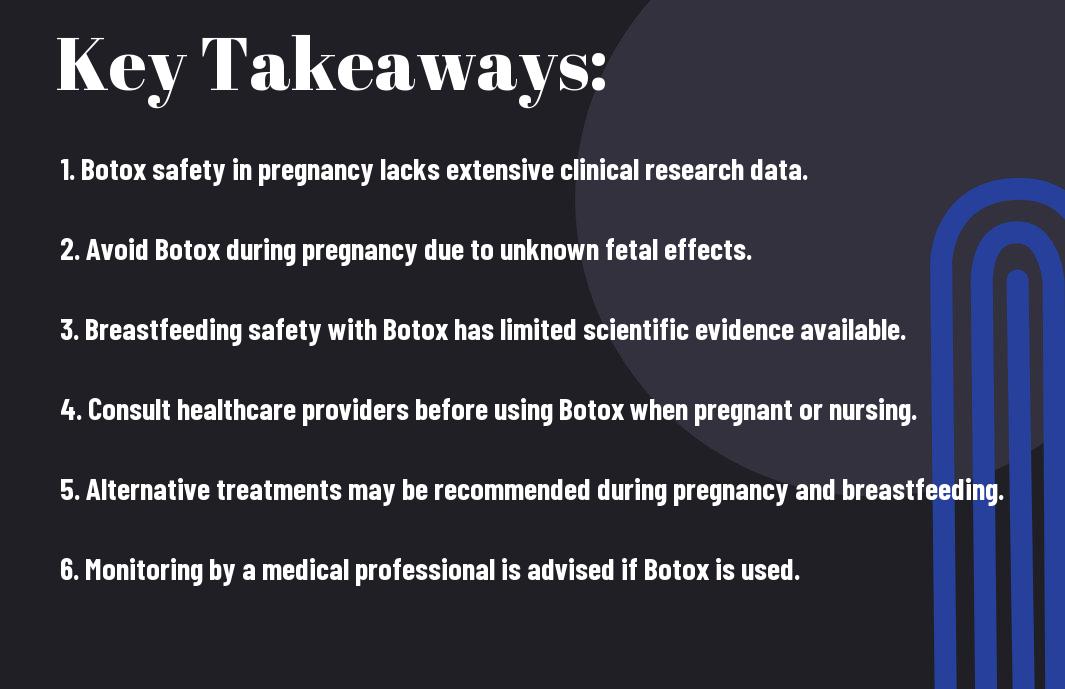
Summing up, the safety of Botox during pregnancy and breastfeeding remains uncertain. While studies suggest minimal risk, it’s advisable to prioritize your health and your baby’s well-being by consulting with your healthcare provider before considering any cosmetic procedures. Your provider can help you assess the potential risks and guide you towards the safest options for maintaining your appearance during this time. Always make informed decisions that support both your aesthetic goals and your baby’s health.