
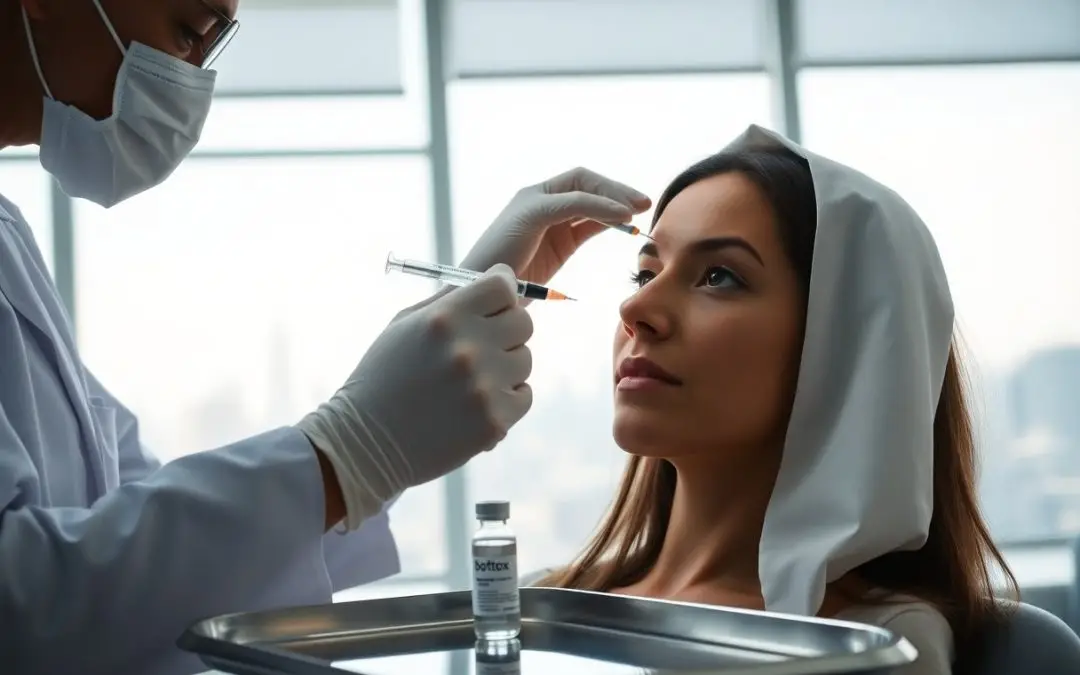
NYC specialists ensure you benefit from medical precision and aesthetic judgment to achieve refreshed, natural results with Botox; during a personalized consultation you and your clinician map facial dynamics, set realistic goals, and select targeted dosing to preserve expression while softening lines. Post-treatment guidance and follow-up care protect safety and longevity, so you can enjoy subtle enhancement that suits your lifestyle and facial anatomy.
Understanding Botox
What is Botox?
Botox is a purified form of botulinum toxin type A administered in very small, controlled units to relax targeted facial muscles and smooth dynamic wrinkles. You receive measured injections-glabellar treatments often use about 20 units-delivered in-office with fine needles. Since its 2002 cosmetic approval for frown lines, clinicians focus on subtle, natural-looking results, preserving your expression while reducing lines.
How Botox Works
Within 48-72 hours you’ll typically notice initial softening as Botox blocks acetylcholine release at the neuromuscular junction, preventing muscle contraction; peak effect occurs around 10-14 days and usually lasts 3-4 months. Dosages vary by area-forehead treatments often use 10-30 units-so your injector can weaken specific muscles enough to smooth lines while maintaining natural movement.
At the cellular level Botox binds presynaptic cholinergic terminals, is internalized, and cleaves the SNAP-25 protein, stopping neurotransmitter release and causing temporary denervation; axonal sprouting restores your muscle function over weeks to months. Diffusion is influenced by dose, dilution and injection technique-lower volumes and precise placement limit spread to millimeters, whereas higher doses enlarge the effect area. You may find antibody formation is uncommon (<1-3%), and repeated treatments can sometimes extend intervals due to partial muscle atrophy.
The Importance of Expert Care
Skilled injectors tailor dose and placement to your unique facial anatomy-glabellar treatments often range 15-30 units, forehead 10-30, crow’s feet 5-15 per side-reducing risks like bruising (1-5%) and ptosis (<1%). They take medical history, map muscles, and use sterile technique plus emergency protocols so your outcome looks natural and functions normally.
Choosing a Qualified Practitioner
Choose a board-certified dermatologist or plastic surgeon, or a nurse injector working under physician supervision; verify ABMS certification, dedicated facial anatomy training, and hands-on courses. Ask how many Botox procedures they’ve performed-ideally 500+-and review before/after photos, verified patient reviews, and documented infection-control measures to ensure safety and skill.
Evaluating Experience and Reputation
Look at years in practice, annual injectable volume (clinics doing 1,000+ treatments a year show consistency), complication and revision rates, and memberships like ASPS or ASDS. You can also seek peer-reviewed case reports, patient satisfaction scores, and clinic transparency about follow-up and outcomes.
You should verify credentials via your state medical board, search PubMed or conference listings for their publications, and ask which toxin brand they use-onabotulinumtoxinA, abobotulinumtoxinA, or incobotulinumtoxinA-and why. Request pre/post photos, informed consent, a 1-2 week follow-up policy with touch-ups, and clear protocols for asymmetry or hematoma management.
Enhancing a Natural Look
You refine facial balance by selectively treating hyperactive muscles while preserving expressive zones; for instance, using 2-4 units per injection point and a conservative total (often 10-30 units for forehead/glabella) keeps forehead movement but softens deep lines, with a 2-week review to fine‑tune dosing based on how your muscles respond.
Personalized Treatment Plans
Assessments use facial mapping, strength testing and your aesthetic goals to determine dose, injection points and technique; you might receive micro‑Botox in the upper face (1-2 units per microdroplet across multiple sites) or focused bolus injections for targeted lines, followed by a 2‑week follow-up to adjust 10-20% as needed.
Balancing Aesthetics and Natural Appearance
You preserve natural expression by aiming for partial muscle modulation rather than complete paralysis-techniques like micro‑Botox or diluted injections maintain skin texture and mobility while reducing dynamic folds, with common strategies reducing activity enough to smooth lines but leaving full smiling and brow movement intact.
For example, when treating a 45‑year‑old with forehead creases, dosing might be 10-20 units split across 4-6 points to soften lines yet retain brow elevation; treating crow’s feet often uses 3-5 injection points per side (total 10-24 units), and masseter reduction typically runs 20-30 units per side-these protocols let you see gradual change at 7-14 days and predictable results at one month.
Common Concerns and Misconceptions
Addressing Myths About Botox
You often hear that Botox will make you look frozen or unnatural, but with tailored dosing and placement-typical doses range 10-30 units per facial area-you can preserve natural movement. Clinical practice shows onset at 3-7 days and effects lasting about 3-4 months. FDA approval for cosmetic uses supports safety when administered by trained injectors, and skilled practitioners use microdoses and staggered injections to avoid an overdone appearance.
Understanding Side Effects
You should expect mostly mild, transient effects: injection-site bruising (about 5-15%), headaches (~1-4%), and occasional eyelid droop (ptosis, roughly 1-5% with forehead injections). Symptoms usually appear within hours to days and resolve in 1-4 weeks. Systemic spread is rare, but pregnancy, breastfeeding, and neuromuscular disorders are contraindications you must disclose to your provider.
If you want to reduce risks, avoid aspirin, NSAIDs, and alcohol 48-72 hours before treatment when possible, apply ice after injections, and skip strenuous exercise for 24 hours. Your injector can minimize ptosis risk with conservative placement and unit counts; if droop occurs, apraclonidine drops often provide temporary lift while the toxin wears off. Seek immediate care for breathing, swallowing, or vision problems.
Pre- and Post-Treatment Care
Preparing for Your Botox Appointment
Before your appointment, stop NSAIDs (ibuprofen, naproxen) and aspirin 7-10 days if safe, and avoid alcohol for 48 hours to reduce bruising; check with your physician if you take anticoagulants. Bring a current medication list, disclose allergies, pregnancy or neuromuscular conditions, and avoid topical retinoids or chemical peels for 48-72 hours prior. Arrive with a clean face and plan light activity afterward so you can monitor initial results.
Aftercare Tips for Optimal Results
After injections, keep your head upright for 4 hours and avoid rubbing treated areas for 24 hours to prevent migration. Skip strenuous exercise and sauna exposure for 24-48 hours, and avoid facial massages for two weeks. You’ll see effects in 3-7 days with full results by two weeks; schedule a 2-week follow-up for touch-ups or questions about dosing and symmetry.
- Keep your head elevated and avoid lying flat for 4 hours after treatment.
- Ice briefly for 10-15 minutes to reduce swelling; avoid heavy pressure on injection sites.
- Avoid blood-thinning supplements like fish oil and vitamin E for 48 hours unless your doctor advises otherwise.
- Any unexpected swelling, severe pain, or visual changes require immediate contact with your provider.
Many patients experience mild bruising or pinpoint bleeding that resolves within 5-10 days; if you bruise easily, discuss arnica or bromelain with your injector before using supplements. Effects typically last 3-4 months, so schedule maintenance before lines fully return. If you’re on anticoagulant therapy your injector will adjust injection depth and dose to minimize bleeding and asymmetry risks.
- Plan a touch-up at your 14-day follow-up if lines persist or dosage needs tweaking.
- Postpone laser procedures and aggressive facials for two weeks to prevent irritation.
- Use SPF 30+ daily to protect treated areas and minimize pigmentation from inflammation.
- Any persistent asymmetry after 14 days can usually be corrected at your follow-up appointment.
The Cost of Botox in NYC
In NYC, expect per-unit or per-area pricing: typical per-unit rates run $12-$20 in Manhattan, with average treatments costing $300-$900 depending on units and areas treated. You’ll pay premium prices in neighborhoods like SoHo or the Upper East Side, while medspas in outer boroughs often charge less. Check for package deals, first-time offers, and whether consultation or follow-up appointments are included in the quoted fee.
Factors Affecting Pricing
You’ll encounter per-unit Botox rates in NYC usually from $12 to $20; typical glabellar treatments use 20-30 units ($240-$600) while full-face refreshes can reach 50-100 units. Provider skill, clinic overhead, neighborhood, session complexity, and brand (onabotulinumtoxinA vs alternatives) drive costs. Insurance won’t cover cosmetic use.
- Per-unit fee versus flat session rate
- Injector credentials and years of experience
- Number of treated areas and total units used
- Clinic location, demand, and facility standards
This variability means a session can range roughly $200-$1,500 depending on scope and injector credentials.
Assessing Value for Quality Care
You should weigh price against outcomes: a board-certified dermatologist charging $600 for a forehead-and-glabella combination often uses 30-50 units to create balanced, natural movement, whereas a $250 bargain may under-dose or over-treat. Compare before-and-after photos with similar facial anatomy, ask about exact unit counts and revision policies, and verify whether touch-ups are included to judge true value.
If you pay $500 to an experienced injector who delivers subtle results lasting 3-4 months, you’ll schedule treatments about 3-4 times yearly; conversely, a $200 provider might save you money short-term but increase risk of asymmetry or compensatory treatments that add $300-$600 in corrective costs. Also confirm certifications (board-certified dermatologist or plastic surgeon), whether the injector is an MD, PA, or RN, clinic sterility practices, and real patient reviews to assess long-term cost-effectiveness and safety.
To wrap up
Taking this into account, you can trust that Botox NYC expert care balances safety, personalized treatment plans, and subtle results so your features look refreshed without appearing overdone; your provider’s experience and clear communication ensure predictable outcomes and natural-looking improvements that fit your goals.