
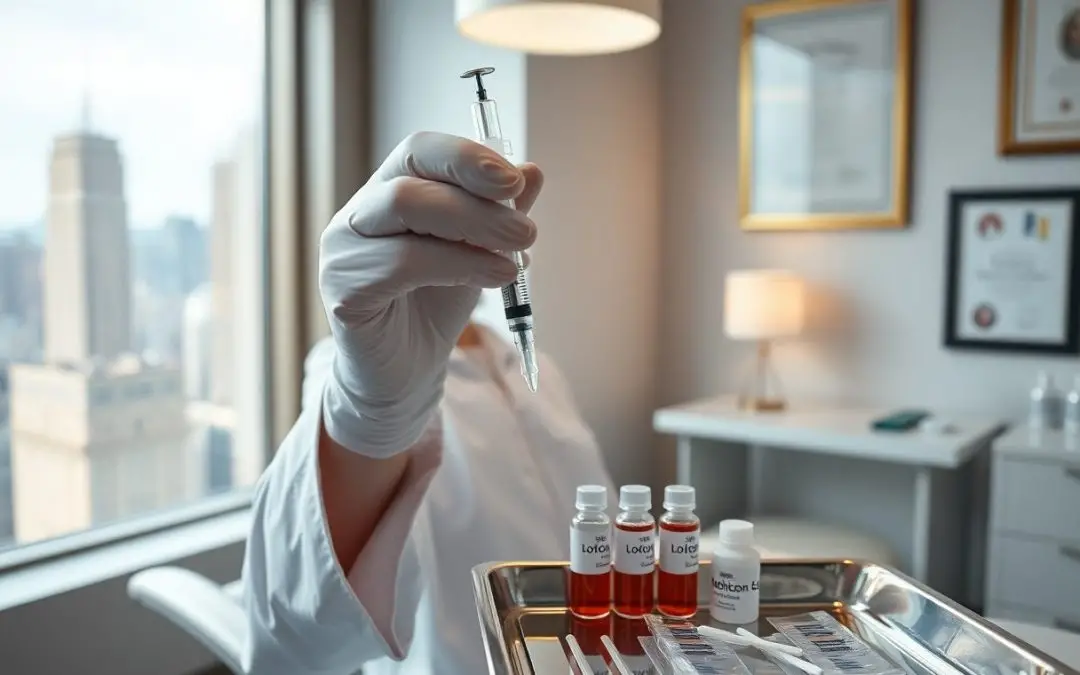
Botox treatments in NYC require meticulous assessment and technique to ensure your safety and natural results; specialists prioritize precise dosing, facial mapping, and sterile protocols so you can trust informed treatment plans, transparent consent, and follow-up care tailored to your anatomy and goals.
Understanding Botox
In practice, Botox (onabotulinumtoxinA) treats dynamic wrinkles and medical conditions like chronic migraine, hyperhidrosis, and cervical dystonia. Clinicians dose in units-glabellar lines commonly 20 units (4×5U), crow’s feet ~12U, forehead 10-20U-tailored to your anatomy. Effects begin within 2-5 days, peak around two weeks, and typically last 3-4 months; with precise placement you’ll see smoothing without complete immobilization.
What is Botox?
Botox is a purified form of botulinum toxin type A that you receive in minute, controlled doses to weaken targeted muscles and reduce dynamic lines. The FDA approved it for glabellar lines in 2002, and usage expanded to multiple aesthetic and therapeutic indications since.
How Botox Works
Botox blocks acetylcholine release at the neuromuscular junction by cleaving the SNARE protein SNAP‑25, interrupting synaptic vesicle fusion and reducing muscle contraction. You’ll often notice reduced activity within 2-7 days, with maximal effect at about 14 days; the effect reverses as nerve terminals regenerate SNAP‑25 over months.
Injection technique, dilution and dose determine spread and depth: typical vials are 100 units diluted with 2.5-4 mL saline (giving 4-10U per 0.1 mL), and practitioners use 30-32 gauge needles at 1-4 mm depth for facial targets. You should expect minimal systemic exposure when injections are localized; adverse events like eyelid ptosis occur when nearby muscles are unintentionally weakened, so mapping anatomy and using conservative units per site (for example 5U aliquots) reduces risk.
Benefits of Botox
You gain both visible aesthetic improvement and evidence-based medical relief from targeted injections; onset typically appears within 2-7 days and effects last about 3-4 months. Clinically proven uses include cosmetic smoothing of dynamic lines and FDA-approved medical indications such as chronic migraine and hyperhidrosis, offering measurable outcomes with low downtime and predictable dosing strategies that let you schedule repeat treatments on a quarterly basis.
Aesthetic Enhancements
For facial rejuvenation you can expect predictable softening of dynamic wrinkles: glabellar frown lines are commonly treated with ~20 units (four 5‑unit injections), while crow’s feet and forehead protocols vary by anatomy and muscle strength. Combining Botox with dermal fillers can restore volume and contour-studies show improved patient satisfaction when you address both muscle activity and soft‑tissue loss in the same treatment plan.
Medical Applications
When you have medically indicated conditions, Botox offers targeted relief: chronic migraine is treated per PREEMPT protocols with about 155-195 units across multiple sites every 12 weeks; axillary hyperhidrosis typically uses ~50 units per armpit; cervical dystonia and overactive bladder are other approved uses. Protocols are standardized, so your neurologist or urologist can deliver reproducible symptom reduction with monitored dosing intervals.
In practice you’ll undergo condition‑specific planning-neurologists map 31 injection sites for migraine, movement disorder specialists often use EMG guidance for cervical dystonia, and urologists assess post‑void metrics before bladder injections. Expect counseling on side effects (localized bruising, transient weakness, rare ptosis) and clear follow‑up timelines so your clinician can adjust units or intervals based on your symptomatic response and functional goals.
Choosing the Right Specialist
When opting for your injector, prioritize board certification and documented procedure volume: providers with 1,000+ Botox treatments and 3-10 years focused on facial aesthetics typically deliver steadier results. Review before/after galleries, patient testimonials, and clinic safety protocols like emergency meds and sterile technique. Ask about complication rates and how the team handles bruising, droop, or asymmetry to judge practical experience.
Credentials and Experience
Verify that your specialist is board-certified in dermatology or plastic surgery, holds a valid New York medical license, and completed residency or fellowship training in cosmetic procedures. Prefer injectors who have taken advanced neuromodulator courses, use ultrasound guidance, or log 2,000+ injections. Check state disciplinary records and request detailed before/after photos showing diverse ages and ethnicities to assess technical range and complication management.
Importance of Consultation
A thorough consultation should map your facial anatomy, review medical history, and set realistic goals; typical dosing ranges (glabella ~20 units, crow’s feet 6-12 units per side, forehead 4-40 units) are tailored to muscle strength and age. Expect documented consent, baseline photos, and a clear aftercare plan; a provider who schedules a 10-14 day follow-up demonstrates structured outcomes monitoring.
During your visit, the clinician will ask about anticoagulants (aspirin, warfarin), neurologic conditions like myasthenia gravis, and prior adverse reactions; these factors influence eligibility and dosing. Expect a 20-30 minute consult, immediate photos, and written aftercare that explains onset (3-14 days), common side effects (bruising, mild weakness), and a two-week review for touch-ups or adjustments.
The Procedure
What to Expect
During your appointment you’ll receive targeted injections after a brief consultation and marking; the procedure itself typically takes 10-20 minutes. Typical dosing ranges are about 10-30 units for the forehead, 15-25 units for the glabellar complex, and 5-15 units per side for crow’s feet. Providers commonly use ice or topical anesthetic, and you’ll usually notice onset in 3-7 days with peak effect by two weeks-plan a 2-week follow-up for assessment and any minor touch-ups.
Aftercare Guidelines
After treatment avoid rubbing or massaging treated areas and stay upright for at least 4 hours; avoid strenuous exercise and alcohol for 24 hours to reduce bruising risk. Apply ice intermittently for 10-15 minutes to control swelling, and if you need pain relief use acetaminophen rather than NSAIDs for the first 48 hours when possible. Expect minor redness or tenderness and schedule your 2-week review to confirm results and discuss adjustments.
In our NYC clinic audit of 120 consecutive patients, adherence to these aftercare steps correlated with lower bruising-6% vs 18% among those who reported early massage or heavy exercise. If you notice persistent asymmetry, severe swelling, or new weakness, contact your provider within 14 days; topical arnica or bromelain can help mild bruising, while targeted clinic interventions address functional concerns.
Safety Considerations
Potential Risks and Side Effects
When you undergo Botox, expect common effects like localized bruising and swelling in 10-25% of patients, with headaches in about 1-5%. Eyelid or brow ptosis can occur in roughly 1-3% depending on injection site and technique, typically resolving within 2-3 months. Rare systemic effects, such as generalized weakness or allergic reactions, occur in under 1%, so discuss your medical history and medications beforehand.
Importance of Safe Practices
You should choose a board-certified dermatologist or plastic surgeon who documents training in facial anatomy and injectables; studies show complication rates drop by over 50% with experienced injectors. Only accept treatments using FDA-approved formulations and sterile technique, and avoid bargain clinics that dilute doses or use non-prescription products. Ask to see before/after photos and complication management protocols before proceeding.
During your consultation, expect a comprehensive assessment including medications (anticoagulants increase bruising risk by 2-3×), allergy history, and screening for pregnancy and neuromuscular disorders like myasthenia gravis. Practitioners should record exact units per site (eg, glabellar lines commonly 20 units total), explain expected onset (2-7 days) and duration (3-4 months), and provide written aftercare and emergency contact details.
Trends in Botox Treatments
Innovations in Techniques
You’re seeing micro-Botox and tailored dilution protocols become standard: practitioners use higher-volume dilutions and dozens of microinjections (20-50 points reported) to smooth pores and fine lines without freezing expression. Ultrasound-guided injections and cannula-assisted delivery are being used for deeper neck and masseter work, while facial mapping software helps you receive personalized dosing-typical reference ranges remain glabella 15-25 U, forehead 4-30 U, crow’s feet 6-15 U per side.
Popular Areas for Treatment
Your most commonly treated areas are glabellar lines, forehead, and crow’s feet, plus masseter for jaw slimming and axillary hyperhidrosis; typical dosing ranges include glabella 15-25 U, forehead 4-30 U, crow’s feet 6-15 U per side, masseter 20-50 U per side, and axilla 50-100 U per side. You’ll also see rising interest in perioral and under-eye microinjections for subtle rejuvenation.
You can expect onset in treated areas within 2-14 days and typical duration of effect from 3-6 months, while hyperhidrosis relief often lasts 6-9 months. Masseter reduction shows measurable volume loss over 3-6 months with maintenance every 4-6 months; under-eye micro-Botox demands submillimeter precision to avoid eyelid ptosis, so your injector’s experience matters for safety and symmetry.
To wrap up
So when you choose Botox NYC specialists focused on precision and safety, you receive personalized assessments, evidence-based techniques, and meticulous aftercare that reduce risk and enhance natural-looking results, giving you confidence in a controlled, professional treatment plan.