
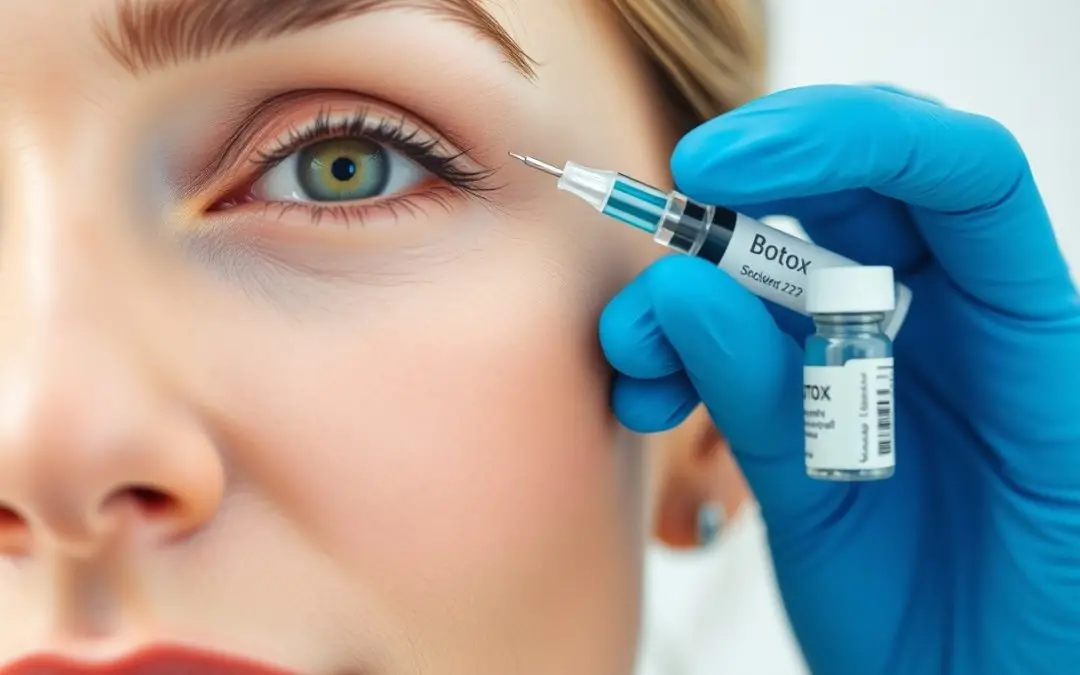
Smooth facial contours are achievable when you choose refined Botox techniques that target muscles precisely, reduce lines, and preserve natural movement.
The Evolution of Refined Botox Techniques
You have seen treatment goals shift from maximal paralysis to targeted relaxation, allowing natural expression while smoothing lines, and modern approaches prioritize individualized mapping of muscles and conservative dosing to refine facial contours.
Transitioning from Frozen to Fluid Expressions
Now you expect subtle modulation that preserves movement; clinicians use selective injections and lower unit counts so your smile and brow remain expressive while frown lines soften, producing more natural, balanced results.
The Rise of Micro-Tox and Precision Dosing
Today you benefit from micro-tox protocols and millimeter-level placement that target superficial muscles, allowing finer contouring, fewer side effects, and tailored longevity based on your facial anatomy and aesthetic goals.
Practically you receive multiple tiny intradermal injections across forehead and periocular zones, using microdoses to soften superficial muscle activity while preserving bulk movement. This approach reduces oiliness and pore prominence, smooths fine lines, and requires precise mapping and follow-up touch-ups; your provider adjusts units and spacing to match skin thickness, activity pattern, and desired duration.
Advanced Upper Face Rejuvenation
You benefit from targeted Botox that smooths forehead and glabellar lines while preserving expressive movement and facial balance.
- You retain natural expression with conservative dosing.
- You see focused line reduction with minimal downtime.
- You receive follow-up tuning to refine results.
Treatment summary
| Area | Approach |
|---|---|
| Forehead | Shallow, central injections to smooth without stiffness |
| Glabella | Precise micro-dosing to soften frown lines while keeping brow mobility |
| Crow’s feet | Targeted lateral units to reduce lines and preserve eye movement |
Subtle Brow Positioning and Forehead Smoothing
Your practitioner adjusts depth and placement so you achieve gentle brow lift and softened forehead lines without a frozen appearance.
Softening Periorbital Lines while Preserving Expression
Tailored dosing around the eyes helps you reduce crow’s feet while keeping blink and smile dynamics natural.
Careful placement of micro-units allows you to soften periorbital creases without weakening orbicularis oculi function; your provider combines conservative dosing, strategic dilution, and staged follow-ups so adjustments preserve spontaneous expression while progressively improving line severity.
The Science of Dermal Refinement
Science shows how targeted neuromodulator placement modulates underlying muscle activity and dermal remodeling, so you achieve smoother contours with less filler. Precise dosing and microinjections reduce folds while preserving natural expression.
Addressing Skin Texture and Pore Minimization
Targeted microdroplet injections relax superficial musculature and reduce sebum-driven pore prominence, helping you refine texture and minimize pores with subtle, measurable results.
The “Glass Skin” Effect via Intradermal Injection
Intradermal microinjections enhance hydration, smoothness, and light reflection, giving you the translucent, even finish associated with glass skin without heavy resurfacing.
Mechanism-focused intradermal technique deposits tiny neuromodulator volumes into the papillary dermis to modulate fibroblast signaling, reduce micro-contractions, and improve hyaluronic acid distribution; you see enhanced reflectivity, decreased micro-roughness, and sustained radiance. Protocols differ by dilution, depth, and placement, so work with an experienced injector to tailor treatment to your skin.
Clinical Assessment and Facial Mapping
Clinical assessment guides your personalized injection map, combining dynamic muscle testing with static proportion analysis to predict outcomes and minimize adverse effects.
Analyzing Individual Muscular Dynamics
You observe contraction patterns during frowning, smiling, and eyebrow motion to identify hyperactive muscles, then adjust injection depth and units to preserve natural expressivity while smoothing lines.
Tailoring Treatment Plans to Bone Structure
Bone structure informs how you place injections to support contours, balancing volume reduction with targeted lifts for a harmonious profile.
Consider how malar projection and mandibular angle affect shadowing; you may favor periosteal injections near the zygoma to enhance lift while lowering lateral mass dosing.
Safety Standards and Longevity Protocols
Protocols protect you by enforcing sterile technique, precise dosing, and scheduled follow-ups to reduce complications and extend smooth outcomes.
Mitigating Risks through Anatomical Expertise
Clinician anatomical knowledge guides needle placement and dosing so you avoid nerve or muscle impairment while achieving balanced facial contours.
Post-Treatment Strategies for Sustained Results
Aftercare routines-sun avoidance, gentle skincare, and timely touch-ups-help you maintain symmetry and prolong the treatment’s visible effects.
You should avoid vigorous exercise and alcohol for 24-48 hours, sleep with your head elevated, skip rubbing treated areas, use sunscreen daily, and attend a two-week follow-up so your provider can fine-tune dosing; maintenance intervals typically fall every three to four months based on your metabolism and aesthetic goals.
Summing up
Hence you can achieve smoother facial contours with refined Botox protocols that target specific muscles, minimize downtime, and preserve natural expression while ensuring tailored dosing and expert placement.