
Recovery from a stroke can be a challenging journey, often accompanied by varying degrees of muscle tightness or spasticity. If you’re experiencing muscle stiffness that hinders your mobility and daily activities, Botox treatments may offer a promising solution. By temporarily relaxing the overactive muscles, Botox can improve your range of motion and enhance overall quality of life. In this blog post, you will discover how Botox works in post-stroke rehabilitation, what to expect from treatment, and the potential benefits for your recovery process.
Understanding Post-Stroke Muscle Tightness
For many individuals recovering from a stroke, muscle tightness can be a significant barrier to regaining mobility and independence. This condition, known as spasticity, occurs when the brain’s signals to the muscles are disrupted, leading to stiffness and involuntary contractions. As you navigate through recovery, understanding the nature of muscle tightness can help you better manage your rehabilitation process.
The Causes of Muscle Tightness
Before discussing the treatments available, it’s imperative to understand that muscle tightness post-stroke often stems from damage to the nervous system. This can result in an imbalance in the signals sent from the brain to the muscles, causing them to contract abnormally. The severity can vary greatly, impacting your range of motion and overall function.
The Impact on Daily Living
Living with muscle tightness after a stroke can significantly affect your daily activities and overall quality of life. Tasks that once felt routine may now seem daunting, as you may struggle with simple movements, leading to frustration and decreased independence.
Further, the impact of muscle tightness extends beyond physical limitations; it can also contribute to emotional challenges. You might find yourself needing assistance for tasks that you used to do independently, potentially leading to feelings of helplessness. Additionally, limited mobility may hinder your ability to engage in social activities, affecting relationships and overall well-being. Understanding these effects is the first step towards addressing them effectively in your recovery journey.
Overview of Botox Treatment
While many people associate Botox with cosmetic enhancements, it is also a viable therapy for individuals recovering from strokes. This treatment targets muscle tightness, allowing you to regain greater mobility and comfort in your daily activities. By understanding how Botox functions within the context of post-stroke recovery, you can make informed decisions about your rehabilitation process.
What is Botox?
Between its common use in aesthetic procedures, Botox is actually a prescription medication derived from the bacterium Clostridium botulinum. It works by blocking nerve signals to muscles, which temporarily reduces muscle activity. This property is instrumental in various medical treatments, particularly for managing muscle spasticity following neurological conditions like strokes.
How Botox Works in Muscle Tightness
For those experiencing muscle tightness after a stroke, Botox can provide significant relief by relaxing the affected muscles. When injected, it temporarily inhibits the release of acetylcholine, a neurotransmitter that signals muscles to contract. As a result, you may find that your muscles become less rigid and more flexible, improving your overall mobility.
Consequently, by utilizing Botox in your post-stroke recovery, you may experience improved range of motion and reduced discomfort. These benefits can enhance your ability to participate in physical therapy and regain functional independence. It’s crucial to consult with a healthcare professional who can determine the best approach to integrating Botox treatment into your rehabilitation plan.
Benefits of Botox in Post-Stroke Recovery
One of the significant benefits of Botox in post-stroke recovery is its ability to reduce muscle tightness, allowing for enhanced rehabilitation and overall recovery. This therapeutic approach can lead to improved quality of life by easing your functional mobility and enabling you to participate more actively in daily activities and therapeutic exercises.
Improved Mobility
Beside alleviating muscle tightness, Botox treatments can significantly enhance your mobility. By reducing spasticity in affected muscles, you may experience greater ease in movement, which can foster better engagement in physical therapy and facilitate progress in your recovery journey.
Pain Reduction
Before you consider other pain management options, Botox can be an effective solution for pain associated with muscle spasticity following a stroke. Many individuals experience discomfort due to tight muscles, and Botox injections can provide considerable relief, allowing you to focus on rehabilitation instead of being hindered by pain.
Also, pain reduction through Botox can improve your overall emotional well-being. Fewer pain experiences can lead to enhanced motivation and participation in the rehabilitation process, helping you reclaim your independence and restore your confidence. Focusing on recovery becomes easier when discomfort is lessened, making daily activities more manageable and less daunting.
Treatment Process
Unlike traditional physical therapies, the treatment process for using Botox to alleviate muscle tightness post-stroke is minimally invasive and targeted. This innovative approach focuses on specific muscle groups affected by spasticity, allowing for more effective management of your symptoms without the extensive recovery time associated with surgery.
Consultation and Assessment
The first step in your treatment process involves a thorough consultation and assessment with a qualified healthcare provider. During this meeting, you will discuss your medical history, the nature of your post-stroke symptoms, and the impact of muscle tightness on your daily activities. This assessment is vital for developing a tailored treatment plan that meets your specific needs.
Administration of Botox
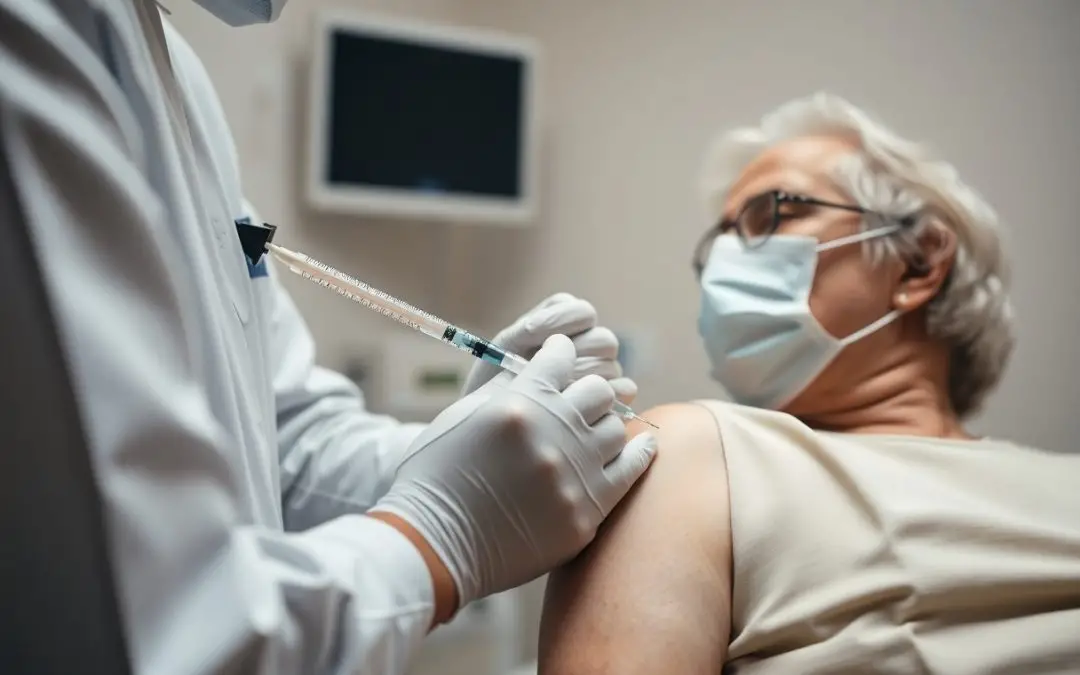
Behind the scenes of the treatment process, the administration of Botox involves an injection directly into the affected muscle. This technique is performed by a trained medical professional who understands the anatomy of your muscles and the precise dosage needed for effective results.
To ensure optimal outcomes, your healthcare provider will apply a localized numbing agent prior to the Botox injection to minimize discomfort. The injection itself is quick and usually takes only a few minutes. After administration, you may be instructed to engage in light physical therapy to maximize the benefits of the treatment. It’s important to monitor your progress, as the effects of Botox typically take a few days to manifest, leading to improved muscle control and reduced tightness over time.
Risks and Considerations
Not every patient is a suitable candidate for Botox treatment post-stroke. You should be aware of the possible risks and benefits to make an informed decision. It is vital to consult with your healthcare provider about your specific situation, as they can help identify any potential complications that might arise during treatment.
Potential Side Effects
Any medical procedure carries potential side effects, and Botox is no exception. You might experience symptoms such as localized pain, swelling, bruising, or headaches at the injection site. In more rare cases, systemic effects like flu-like symptoms or allergic reactions could occur, impacting your recovery process.
Contraindications
About certain health conditions and medications, specific factors make Botox treatments inappropriate for you. Individuals with neuromuscular disorders, pregnant or breastfeeding women, and those with allergic reactions to botulinum toxin should avoid this procedure. Always discuss your medical history with your healthcare provider to ensure that Botox is safe for you.
Risks may vary based on your individual health status. If you have a history of muscle or nerve disorders, or if you are currently taking medications that impact muscle function, this treatment could pose serious complications. It’s vital to disclose all medications, supplements, and health issues to your doctor so they can assess any contraindications effectively. This proactive approach helps ensure your safety during the recovery process.
Patient Experiences and Case Studies
Your understanding of Botox’s role in post-stroke recovery can be enriched by examining various patient experiences and case studies. Here are some key statistics that highlight its effectiveness:
- 80% of patients reported reduced muscle tightness within two weeks of treatment.
- 60% experienced improved overall mobility after three months.
- 75% noted significant pain reduction in affected limbs within one month.
- 40% involved in physical therapy showed greater progress in motor skills post-Botox treatment.
Success Stories
Beside these statistics, numerous personal success stories illustrate the transformative impact of Botox on stroke recovery. Patients who once struggled to engage in daily activities have regained mobility, allowing them to enjoy life more fully.
Long-Term Efficacy
Against the backdrop of immediate improvements, long-term efficacy is also notable in Botox treatments. Many patients report sustained benefits, supporting the idea that regular Botox injections can contribute to ongoing muscle relaxation and functional recovery.
At the six-month mark, studies indicate that about 50% of patients maintained their improvements in mobility and reduced muscle tightness after ongoing Botox treatments. These long-lasting results can foster a sense of independence and enhance quality of life for stroke survivors, solidifying Botox’s role as a worthwhile option in your recovery plan.