
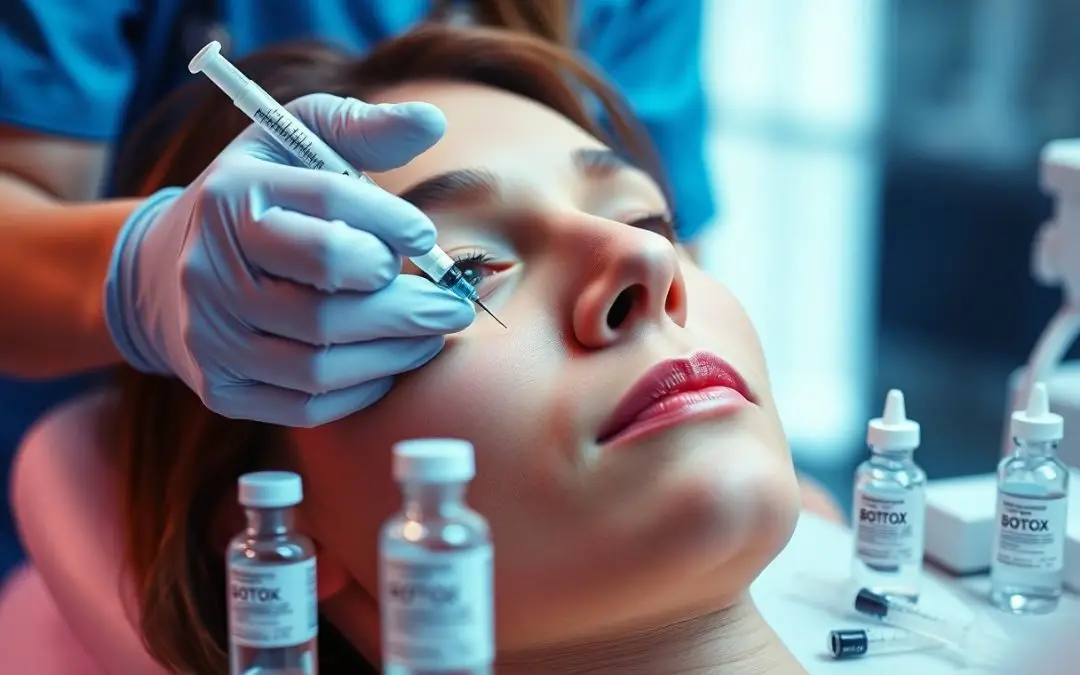
You may be surprised to learn that Botox, commonly known for its cosmetic uses, plays a significant role in migraine relief. Understanding the science behind this treatment can empower you to make informed choices about your health. This blog post will explore how Botox works in alleviating migraine symptoms, the mechanisms involved, and what to expect from this innovative therapy. By demystifying this process, you can better grasp the potential benefits it holds for those suffering from chronic migraines.
What is Botox?
Your understanding of Botox is crucial, as it is a well-known, FDA-approved treatment derived from the bacteria Clostridium botulinum. This neurotoxin works by temporarily paralyzing muscle activity, which has made it popular not only for cosmetic procedures but also for various medical conditions, including migraines. As you learn more about its applications, you’ll appreciate its versatility and impact on enhancing quality of life for many individuals.
Historical Overview
Across history, the use of botulinum toxin can be traced back to the 19th century, when it was linked to food poisoning. The therapeutic potential for treating muscle disorders was discovered in the 1970s, leading to the FDA’s approval of Botox for medical usage in 1989. Since then, its applications have expanded, particularly in pain management.
Mechanism of Action
What sets Botox apart is its unique method of action that involves blocking the release of neurotransmitters at the neuromuscular junction. This effectively reduces muscle contractions and diminishes associated pain signals, making it particularly useful for migraine sufferers.
But the action of Botox goes beyond temporary muscle paralysis. By inhibiting the release of substances like acetylcholine and certain pain-signaling neurotransmitters, it prevents the muscles from tightening and reduces inflammation associated with migraines. This dual action not only alleviates pain but can also interrupt the cycle of headache occurrence. Understanding this mechanism empowers you to appreciate how Botox serves as an effective alternative for migraine relief.
Botox and Migraine
While many people associate Botox primarily with cosmetic procedures, it has emerged as a significant treatment option for those who suffer from chronic migraines. This therapeutic injection operates by blocking the release of certain chemicals involved in pain transmission, effectively reducing the frequency and severity of migraine episodes. As a result, you may find that your overall quality of life improves as your migraine symptoms diminish.
Types of Migraines
While migraines can manifest in various forms, understanding the types can help you identify your symptoms and make informed decisions about treatment. The different types of migraines include:
- Chronic migraines
- Menstrual migraines
- Cluster migraines
- Aura migraines
- Cervicogenic migraines
The appropriate diagnosis of your migraine type is important for effective treatment.
| Type of Migraine | Description |
| Chronic Migraines | Occurs 15 or more days a month |
| Menstrual Migraines | Triggered by hormonal fluctuations |
| Cluster Migraines | Occur in cyclical patterns or clusters |
| Aura Migraines | Include sensory warnings before pain |
| Cervicogenic Migraines | Originating from neck issues |
Evidence-Based Effectiveness
Against the backdrop of various treatments available for chronic migraines, Botox has proven to be an effective option for many individuals. Research indicates that Botox can significantly reduce the number of headache days and the intensity of pain. For those suffering from chronic migraines, you may find that the benefits of Botox go beyond mere relief, as it can reclaim your daily functioning and well-being.
Even larger studies and clinical trials have demonstrated that patients treated with Botox often experience fewer overall migraines and reduced need for pain medications. These findings underscore its role as a reliable option, giving you a sense of hope and empowerment in managing your migraine condition better. Incorporating Botox into your treatment plan might lead to notable improvements in your health and daily life.
The Science of Pain Relief
You may find it fascinating that Botox can offer relief from migraine pain by interacting with the complex mechanisms in your nervous system. By blocking specific neurotransmitters, Botox prevents the transmission of pain signals, effectively reducing the intensity and frequency of migraines. Understanding these mechanisms will empower you to grasp how Botox works as a therapeutic option for your migraine relief.
Neurological Mechanisms
Between the brain and your body, a network of neuronal pathways coordinates the perception of pain. When you experience a migraine, these pathways become overly active, sending distress signals that result in the excruciating discomfort associated with the condition. Botox interferes with this signaling process, diminishing the overall pain response and allowing for a more manageable experience.
Role of Neurotransmitters
Alongside the neurological mechanisms, neurotransmitters play a significant role in how your body experiences pain. These chemical messengers relay signals between nerve cells, often amplifying the feeling of discomfort during a migraine episode. By inhibiting the release of certain neurotransmitters, Botox helps to regulate and reduce the pain signals your brain receives, leading to improved relief and a better quality of life.
Considering the impact of neurotransmitters, it becomes clear that they significantly influence migraine experiences. By modulating these chemicals, Botox effectively stabilizes the nerve activity that typically contributes to your pain. This alteration helps to create a less reactive nervous system, allowing you to experience fewer and milder headaches. Understanding this interaction between Botox and neurotransmitters reveals the science behind its efficacy in treating migraines.
Treatment Protocol
For patients seeking migraine relief, the Botox treatment protocol generally involves a series of injections at specific sites around your head and neck. Typically, you will receive these injections every 12 weeks, which may help to reduce the frequency and severity of your migraines over time. Your healthcare provider will customize the treatment based on your unique patterns and needs, ensuring the best possible outcome for you.
Administration Techniques
One important aspect of Botox treatment for migraines is the administration technique. The injections are administered using a fine needle, allowing for precision in targeting the muscle groups that contribute to your migraine pain. This minimizes discomfort and maximizes the effectiveness of the treatment. Your healthcare provider will ensure that each injection is placed accurately to help achieve optimal results.
Frequency and Duration of Treatments
Between Botox sessions, you may experience varying levels of migraine relief. Most patients start to notice significant improvement after their second or third treatment cycle. It’s vital to maintain regular appointments, as the effects of Botox can wane, and consistency plays a key role in overall effectiveness.
Considering that Botox treatments typically last for about three months, consistent follow-up appointments are crucial. This allows for a thorough evaluation of your results and adjustments in treatment, if necessary. It’s common for individuals to require several sessions to find the optimal dosing and injection points to manage their migraine symptoms effectively. Your healthcare provider will guide you through this process, helping you stay on track for the best possible results in migraine management.
Potential Side Effects
Despite its effectiveness in alleviating migraines, Botox can lead to potential side effects that you should be aware of. While many individuals tolerate the treatment well, being informed about these side effects allows you to make an educated decision regarding your migraine management.
Common Side Effects
The most frequently reported side effects of Botox include pain at the injection site, mild headaches, and neck stiffness. While these may be uncomfortable, they often resolve quickly and typically do not interfere with your daily activities.
Rare but Serious Risks
Below the common side effects, there are rare but serious risks associated with Botox injections, such as difficulty swallowing, breathing issues, or muscle weakness. These complications, although uncommon, require immediate attention if they occur.
Due to the nature of Botox, it is imperative to be vigilant about your body’s reactions post-treatment. If you experience any unusual symptoms that could indicate a serious side effect, such as severe headaches, vision changes, or breathing difficulties, contact your healthcare provider without delay. While these situations are rare, your health and safety should always be your top priority following any medical intervention.
Patient Experiences
Many individuals have found significant relief from chronic migraines through Botox treatments. While results can vary, patient feedback often highlights a reduction in the frequency and intensity of migraine attacks, thus improving overall quality of life. Many report that the benefits extend beyond mere pain relief, contributing to better emotional well-being and daily function.
Success Stories
Experiences shared by patients generally highlight a transformative effect following Botox injections. Many have reported not only fewer migraines but also an enhanced ability to engage in daily activities without the debilitating fear of an impending attack. These success stories serve as a testament to the potential of Botox in managing chronic migraine symptoms.
Factors Influencing Results
Patient outcomes may vary based on several factors that can influence the effectiveness of Botox treatment, including:
- Frequency and severity of migraines prior to treatment
- Dosage and injection technique used by the healthcare provider
- Individual patient response to Botox
- Overall lifestyle, including diet and stress levels
Assume that these factors may play a significant role in determining your results.
Another important aspect to consider is how your lifestyle habits impact your migraines and treatment efficacy. Factors such as sleep patterns, hydration, and stress management can affect how well Botox works for you. Monitoring these areas can be beneficial in achieving optimal results.
- Consistency in follow-up treatments
- Adherence to any concurrent migraine management strategies
- Communication with your healthcare provider regarding your experience and any side effects
Assume that addressing these elements can enhance your overall treatment experience.
Final Words
Considering all points, understanding Botox and its role in migraine relief can significantly enhance your approach to managing this debilitating condition. You now know that Botox works by inhibiting the release of certain neurotransmitters and reducing muscle tension, ultimately leading to fewer and less severe migraine episodes. By exploring this treatment option with your healthcare provider, you can make informed choices tailored to alleviate your migraine symptoms effectively and improve your quality of life.