
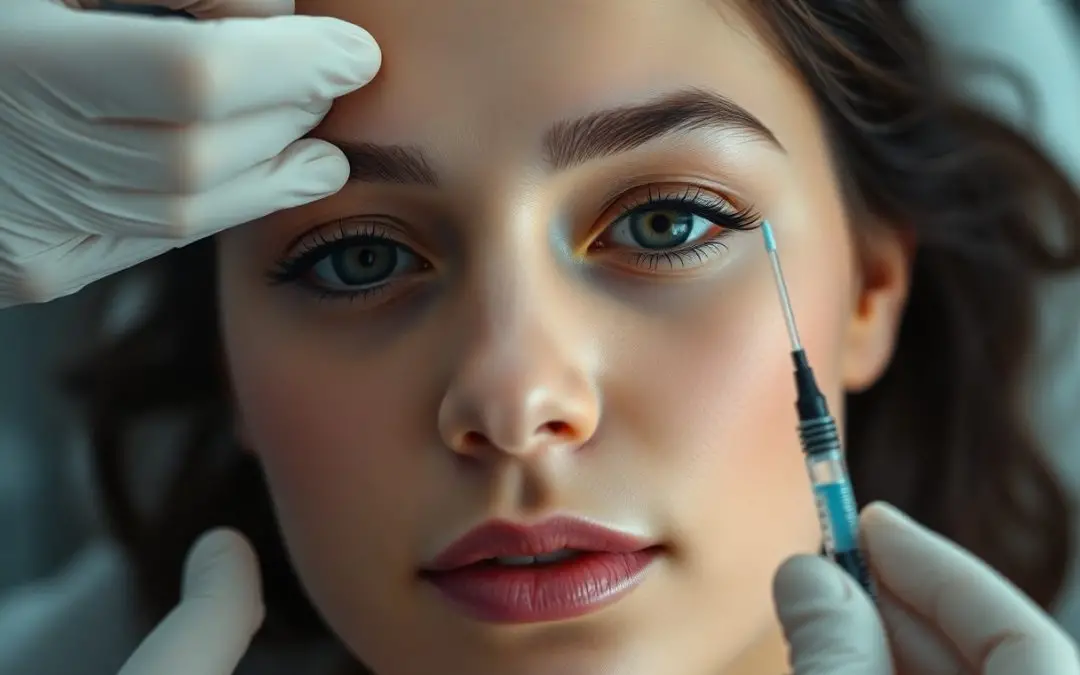
Normality is often subjective when it comes to Botox treatments, as everyone reacts differently to the procedure. Understanding what side effects you might experience is vital for your peace of mind and health. While some reactions, like mild swelling or bruising, can be completely normal, others may warrant further attention. In this blog post, we will explore the potential side effects of Botox, helping you discern what’s a typical response versus an issue that may need medical advice.

Understanding Botox
For many individuals considering cosmetic enhancements, understanding Botox is an necessary first step. Botox, short for botulinum toxin, is a purified protein that temporarily relaxes the muscles responsible for facial wrinkles. This minimally invasive procedure has gained popularity for its ability to provide a more youthful appearance without the need for surgery. By learning about Botox, you can make an informed decision regarding your aesthetic goals.
What is Botox?
With its origins in the bacterium Clostridium botulinum, Botox is widely recognized in aesthetic medicine for its effectiveness in treating dynamic wrinkles. These wrinkles form as a result of repeated facial movements like frowning or squinting. Botox works by inhibiting the nerve signals that trigger muscle contractions, allowing your skin to smooth out and appear rejuvenated.
How Botox Works
Above all, understanding how Botox works can help you grasp its benefits. Through a simple injection procedure, Botox is administered into specific muscles, leading to a temporary reduction in muscle activity. This mechanism is what provides you with smoother skin and a more refreshed look, often lasting several months before repeat treatments are necessary.
Botox necessaryly disrupts the communication between nerves and muscles, preventing the muscles from contracting as they typically would. When injected into targeted areas, it allows the overactive muscles to relax, which in turn diminishes the appearance of lines and wrinkles. As you embrace the effects of Botox, you can enjoy a youthful radiance and improved self-confidence. However, consulting with a qualified professional is important to ensure safe and effective treatment tailored to your individual needs.
Common Side Effects
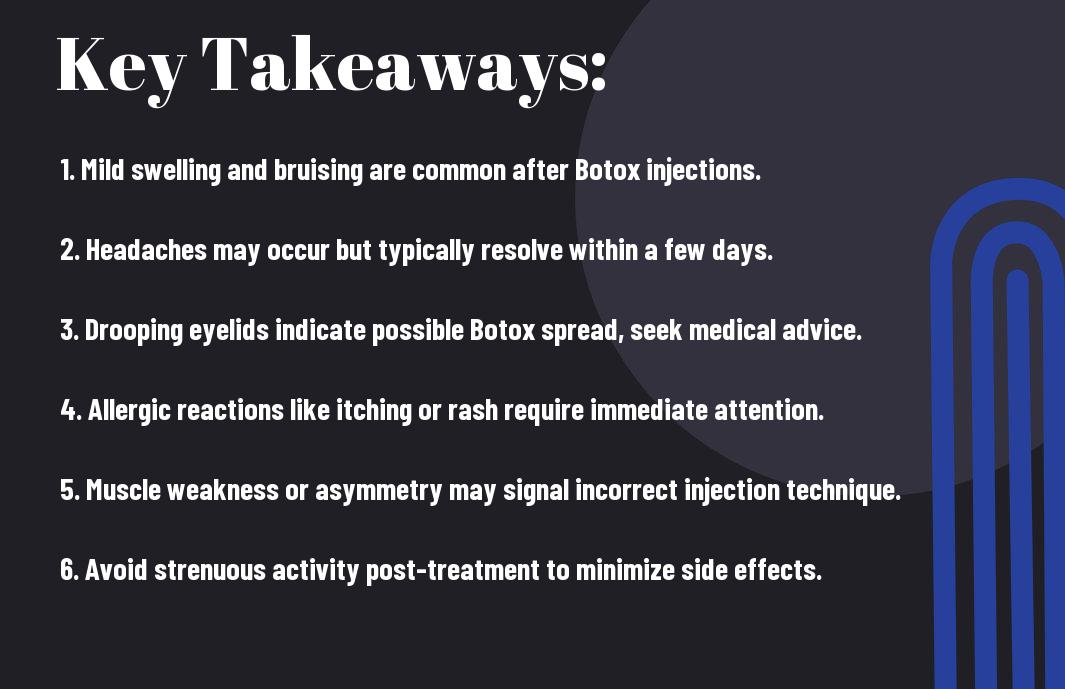
Now that you are aware of Botox as a popular cosmetic treatment, it’s imperative to understand the common side effects you may experience. While many individuals enjoy smooth results, some mild discomfort, swelling, or bruising at the injection sites is typical. These effects usually resolve within a few days, allowing you to enjoy your rejuvenated appearance with minimal downtime.
Mild Reactions
Common mild reactions include slight redness, swelling, and tenderness around the injection areas. You might also notice a fleeting headache, which can occur as your body adjusts to the treatment. These symptoms are generally temporary and should subside quickly, leaving you with the desired effects.
Moderate Reactions
Across a broader spectrum, moderate reactions may occur for some individuals as well. These could include symptoms like drooping eyelids, uneven expressions, or increased sensitivity in the treated areas. While unsettling, these effects are typically short-lived and can be managed effectively.
Effects of moderate reactions can vary and may last longer than mild reactions. You might experience noticeable asymmetry in your facial expressions or a more pronounced sensitivity in certain areas. If these symptoms persist or worsen, it’s advisable to consult your healthcare provider to address your concerns and ensure a smooth recovery process.
Uncommon Side Effects
Despite the popularity and widespread use of Botox, you may experience uncommon side effects. These can include drooping eyelids, asymmetrical facial expressions, or even headaches. While these issues tend to be temporary, it’s important to monitor your symptoms and consult your practitioner if they persist or worsen.
Rare Complications
Above all, it’s imperative to be aware of rare complications that can occur after a Botox treatment. You might face issues like difficulty breathing, swallowing, or speaking. While these occurrences are notably infrequent, seeking immediate medical attention is vital if you encounter such symptoms.
Allergic Reactions
To further understand Botox’s implications, consider the possibility of allergic reactions. While not common, some individuals may experience symptoms such as itching, rash, or swelling around the injection site.
Hence, it’s important to disclose your medical history and any known allergies to your healthcare provider before undergoing treatment. If you have a history of allergic reactions to botulinum toxin or other similar products, your physician may advise against the procedure. Should you experience any unusual symptoms following treatment, contacting your provider immediately can ensure prompt management of any complications.
When to Seek Medical Attention
All individuals who undergo Botox treatments should be aware of when to seek medical attention. If you experience unusual symptoms or side effects that persist beyond a few days, it’s advisable to consult a healthcare professional. Being proactive about your health can ensure that any potential complications are addressed promptly.
Signs of Serious Side Effects
About serious side effects may include persistent weakness in the affected area, difficulty breathing, or trouble swallowing. If you notice any signs of an allergic reaction, such as hives, swelling, or severe dizziness, these warrant immediate medical attention. Early intervention can help mitigate any long-term complications.
Importance of Reporting Issues
Among the reasons you should immediately report any concerns to your healthcare provider is the need for proper evaluation and treatment. Your feedback can provide crucial insights for both your care and the monitoring of Botox safety for others.
Attention to your symptoms and timely reporting can significantly enhance your overall treatment experience. By discussing any adverse effects or concerns with your medical professional, you not only prioritize your health but also contribute to the broader understanding of Botox’s effects. This communication can lead to improved safety measures and better-informed practices for cosmetic procedures in the future.
Preventative Measures
After receiving Botox, there are several preventative measures you can take to minimize potential side effects. Ensuring proper aftercare, such as avoiding strenuous activities and refraining from touching your face for a specified period, can help. Staying hydrated and following your practitioner’s post-treatment instructions are also helpful. Understanding what to expect can prepare you for a smoother recovery and enhance the treatment’s effectiveness.
Choosing a Qualified Practitioner
An crucial step in your Botox journey is selecting a qualified practitioner. Look for a licensed medical professional with specialized training in cosmetic injectables. A skilled injector will assess your unique facial structure and discuss your expectations, ensuring a natural-looking outcome while minimizing potential side effects.
Discussing Medical History
Across your consultation, providing a complete picture of your medical history is vital for your safety and the success of the procedure. This includes any current medications, past surgeries, or allergies that may affect your treatment outcome. Transparency allows your practitioner to tailor their approach and choose the best options for you.
Discussing your medical history thoroughly with your practitioner enables them to evaluate potential risks and tailor the treatment accordingly. If you have specific conditions, like neuromuscular issues or have had prior allergic reactions, your practitioner needs this information to make informed decisions about your treatment. Don’t hesitate to ask questions or express any concerns; your comprehensive background allows for a safer and more effective Botox experience.
Managing and Mitigating Side Effects
Once again, it’s important to address side effects proactively. Understanding how to manage your symptoms can significantly enhance your experience after Botox treatment. Staying informed and taking the right precautions can help reduce discomfort and avoid complications. Always consult your practitioner if you have concerns, as they can provide tailored advice to ensure your recovery is as smooth as possible.
Aftercare Tips
Below are some effective aftercare tips to help mitigate side effects:
- Avoid heavy exercise for at least 24 hours.
- Refrain from massaging or applying pressure to the treated areas.
- Stay upright for a few hours post-treatment.
- Opt for cold compresses to reduce swelling.
After taking these steps, you can enhance your recovery while minimizing potential side effects.
Treatment Options
Around 1-2 weeks post-Botox, if you experience persistent or severe side effects, discuss alternative treatment options with your healthcare provider. Your practitioner might consider adjustive procedures or recommend topical treatments that can alleviate symptoms and promote healing.
Indeed, staying proactive about your side effects is key to achieving optimal results from your Botox treatment. Discussing your options with a qualified professional can help you navigate any challenges effectively. Some treatments may include adjustments in dosage or the use of supplementary therapies like hyaluronic acid fillers or other injectables that can complement your Botox results. Always prioritize communication with your provider for tailored solutions that fit your needs and enhance your recovery process.
Summing up
With these considerations, understanding the side effects of Botox can help you make informed choices about your treatment. While experiencing mild swelling or bruising is normal after the procedure, you should remain vigilant for any unusual symptoms such as severe headaches or vision disturbances. By recognizing what’s typical versus what requires medical attention, you can ensure a better experience and achieve the desired results safely. Always consult with your healthcare provider if you have concerns to help mitigate risks and enhance your confidence in the procedure.