
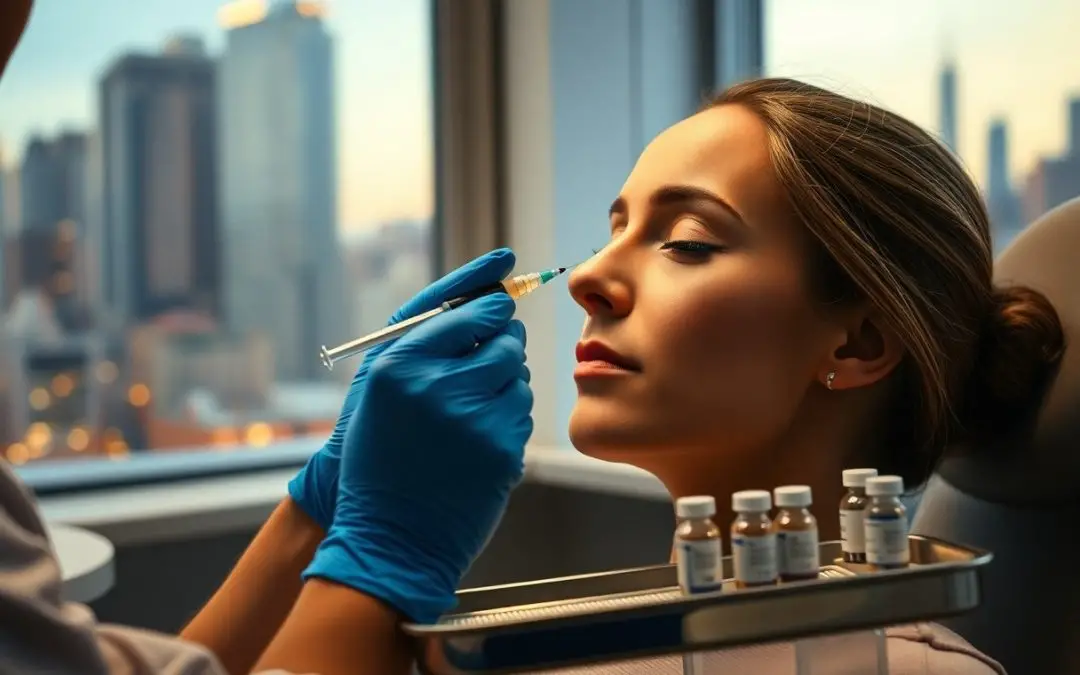
Over the past decade, you have more options for precise neuromodulator treatments in NYC that reduce lines and restore a natural, rested appearance; this guide explains procedural steps, expected results, safety protocols, and how to choose a qualified injector so you can make informed decisions about your cosmetic care.
Understanding Botox
When managing fine lines and dynamic wrinkles you should understand Botox’s clinical profile: onabotulinumtoxinA is a purified neurotoxin FDA‑approved for cosmetic glabellar lines since 2002, and practitioners dose by muscle strength and function-common treatment areas use between 4 and 50 units per site depending on anatomy and desired effect.
What is Botox?
Botox is onabotulinumtoxinA, a neuromodulator derived from Clostridium botulinum that temporarily relaxes targeted facial muscles; you use it to soften dynamic wrinkles rather than add volume, and your provider will distinguish it from fillers based on goals, selecting doses-for example about 20 units for glabellar lines-to match your facial anatomy.
How Botox Works
It blocks acetylcholine release at the neuromuscular junction, so your overactive muscles relax and the overlying skin smooths; onset of visible change is typically 3-7 days, peak effect around two weeks, and most patients notice benefit for roughly 3-4 months before retreatment is considered.
Technique and dosing alter outcomes: diffusion, injection depth, and unit placement determine whether you get precise wrinkle reduction or unwanted spread like mild ptosis; factors such as your metabolic rate, muscle mass, prior treatments and activity level influence duration, and experienced injectors often adjust units per area-glabella ~20 U, forehead 10-30 U, crow’s feet 12-24 U total-to optimize results safely.
Benefits of Botox Injections
You can achieve rapid smoothing of dynamic wrinkles with visible effects in 3-7 days, peaking at about two weeks and typically lasting 3-4 months; this means predictable, scheduled maintenance for sustained results. Targeted injections minimize recovery-most patients return to normal activity immediately-and you’ll often combine treatments (Botox, fillers, skin resurfacing) to address lines, volume loss, and texture for a comprehensive outcome backed by measurable, repeatable improvements.
Cosmetic Enhancements
For facial aesthetic goals you’ll see Botox used to soften glabellar lines, forehead creases and crow’s feet, with common dosing such as ~20 units for the glabella and 6-12 units per side for crow’s feet; a subtle non-surgical brow lift is achievable by selective placement. Many patients notice a natural, rested appearance by two weeks, and combining Botox with fillers and skin treatments optimizes contour and longevity of results.
Medical Uses
You may receive Botox for medical conditions like chronic migraine (defined as ≥15 headache days per month), using the PREEMPT protocol of 155 units across 31 sites every 12 weeks, or for primary axillary hyperhidrosis-roughly 50 units per axilla-with relief often lasting 6-7 months; other indications include blepharospasm, cervical dystonia and focal spasticity, where targeted dosing reduces involuntary muscle activity and functional impairment.
In clinical practice you’ll find the PREEMPT trials support migraine reduction with repeated 12-week cycles, and many patients report progressive improvement after one to two treatment rounds. For spasticity and dystonia, providers often use EMG or ultrasound guidance to localize overactive muscles, tailoring dose and injection sites to your anatomy and goals so functional gains and adverse effects are minimized.
The Procedure
Consultation and Evaluation
During your consultation the clinician reviews medical history, current medications (NSAIDs, blood thinners, aminoglycosides), and any neuromuscular conditions, then performs a dynamic facial analysis with photos and asks about desired outcomes; typical pre-screening flags are pregnancy, recent fillers, or prior allergic reactions, and a frank discussion covers expected onset (3-7 days) and duration (3-4 months) so you leave with a customized injection plan and informed consent.
Injection Process
The injection session usually takes 10-20 minutes; after cleansing and targeted mapping, your provider uses a 30-32 gauge needle to place 2-15 units per injection site-common regimens are 20 units for the glabellar complex, 10-30 units for forehead, and 5-15 per side for crow’s feet-expect a mild pinch and minimal bleeding, while onset begins at 48-72 hours and peak effect appears around two weeks.
Techniques vary: you may receive microdroplet intramuscular injections for subtle smoothing or higher-volume targeted injections for heavy brows, and clinicians often stagger dosing (for example, 5-7 small injections across the forehead) to preserve natural movement; experienced injectors adjust dose based on muscle bulk, gender, prior response, and a typical case might require two extra units per site for a patient with strong frontalis muscles compared with an older patient with atrophic muscle.
Post-Treatment Care
After treatment you should avoid lying flat or vigorous exercise for 4-6 hours, skip alcohol and NSAIDs for 24-48 hours to reduce bruising, and expect mild swelling or pinpoint bruises; effects evolve over 3-14 days, and if you have asymmetry a touch-up is typically scheduled at 2 weeks, while rare side effects like eyelid droop occur in under 1% and are managed medically.
If you experience uneven results, your provider may perform a targeted 1-3 unit touch-up-keep baseline photos to compare changes, use cold compresses for 10-15 minutes to limit bruising, and contact your clinician immediately for marked pain, vision changes, or progressive weakness; many patients return to work the same day, and full benefit is typically maintained for 3-4 months before retreatment is considered.
Choosing a Provider in NYC
Prioritize providers who can show board credentials, clinic safety policies, and documented outcomes; you should ask how many Botox treatments they perform annually (many high-volume injectors report 1,000+ procedures per year) and whether they use single-use vials and written consent. Visit the clinic to confirm sterile technique, on‑site emergency protocols, and that a physician oversees non-physician injectors, so your risk is minimized and follow-up care is straightforward.
Qualifications and Experience
Ask specifically if the injector is board-certified by the American Board of Dermatology or Plastic Surgery and verify their license on the New York State Education Department Office of the Professions. Request years of injectable practice and total Botox cases-experienced clinicians often have 5+ years and several thousand injections-and confirm ongoing CME in facial anatomy and adverse-event management, including protocols for treating ptosis and allergic reactions.
Reviews and Recommendations
Scan RealSelf, Google, Healthgrades and Yelp for recent reviews and unedited before/after photos that match your age and skin type; you want consistent mentions of natural results, conservative dosing, and clear post-treatment communication. Also ask friends or your primary care provider for recommendations and request to speak with past patients if possible, so you learn about real follow-up care and complication handling.
When evaluating reviews, prioritize posts with dates, multiple progress photos, and mentions of the two‑week follow-up check most clinics provide; note whether reviewers report prompt responses within 24-48 hours and documented adjustments at follow-up. Cross‑reference glowing testimonials with any mention of complications and how the clinic resolved them, and prefer providers who offer written aftercare and a clear policy for managing rare adverse events.
Potential Risks and Side Effects
Most patients tolerate injections well, but you may experience local or systemic effects ranging from mild bruising and swelling to rare muscle weakness or allergic reactions; bruising is reported in about 10-20% of treatments, while serious systemic events are far less common. Sharing your medications (anticoagulants, antibiotics) and neuromuscular history allows your injector to adjust dose and technique to lower risk.
Common Side Effects
You may notice injection-site bruising, swelling, redness, or tenderness-bruises typically resolve in 7-14 days and occur in roughly 10-20% of cases. Mild headaches affect about 1-10% of patients, and temporary eyelid or eyebrow heaviness can appear but usually subsides within 48-72 hours to two weeks without intervention.
Serious Complications
Though uncommon, serious complications include eyelid ptosis, facial asymmetry, diplopia, dysphagia after neck or platysma injections, and allergic reactions; ptosis rates are generally below 2% with experienced injectors, while systemic spread causing breathing or swallowing impairment is exceedingly rare but potentially life‑threatening.
If you develop new drooping, worsening muscle weakness, or difficulty swallowing/breathing within 1-14 days, contact your provider immediately; apraclonidine drops can temporarily elevate a ptotic lid, most focal weaknesses resolve over 6-12 weeks, and progressive respiratory or swallowing problems require emergency evaluation. Document timing, dose, and treated areas when reporting symptoms to expedite care.
Cost and Pricing Factors
You’ll see wide price swings for injectables in NYC because high rent, staffing, and demand push fees up; clinics often charge per unit or per treatment area, and you should expect add-ons like consultation or follow-up fees. Typical city premiums run often 20-40% above national averages, so plan accordingly when comparing quotes from Brooklyn, Queens, and Manhattan practices.
- Per-unit vs per-area billing models change out-of-pocket totals
- Provider credentialing (RN, NP, board-certified dermatologist or plastic surgeon) affects rates
- Assume that consultation, taxes, and any touch-up within a set window can add $50-$200 to your visit
Average Costs in NYC
You can expect Botox and similar injectables in NYC to fall roughly between $12-$20 per unit; typical treatments use 20-50 units, so most sessions range $240-$1,000, while per-area pricing (forehead, glabella, crow’s feet) commonly runs $300-$700 per area in Manhattan clinics.
Factors Influencing Price
Your outlay depends on the product (Botox, Dysport, Xeomin), injector experience, units required, and clinic type; board-certified specialists often charge 10-30% more, multi-area sessions raise total units, and high-demand neighborhoods increase base fees.
- Product brand and vial cost influence per-unit pricing
- Injector experience and medical specialty drive higher hourly rates
- Any manufacturer differences (Botox vs Dysport vs Xeomin) can change dosing and per-unit cost
You’ll find concrete examples helpful: a modest forehead-plus-glabella treatment might be 20-30 units (~$240-$600), a full upper-face plan 40-60 units (~$480-$1,200); clinics sometimes bundle areas for a flat fee or offer promotional rates of 10-15% off first treatments to new patients.
- Typical units per area: forehead 10-30, glabella 15-25, crow’s feet 6-12 per side
- Session frequency (every 3-4 months) multiplies annual cost-plan for 3-4 treatments/year
- Any package deals or membership plans may reduce per-session price but can require commitment
Conclusion
From above, you understand that Botox NYC advanced cosmetic injections provide targeted wrinkle reduction, refined facial contours, and personalized treatment plans administered by experienced clinicians, so you can achieve natural-looking results with minimized downtime while maintaining your safety through pre-treatment consultation and follow-up care.