
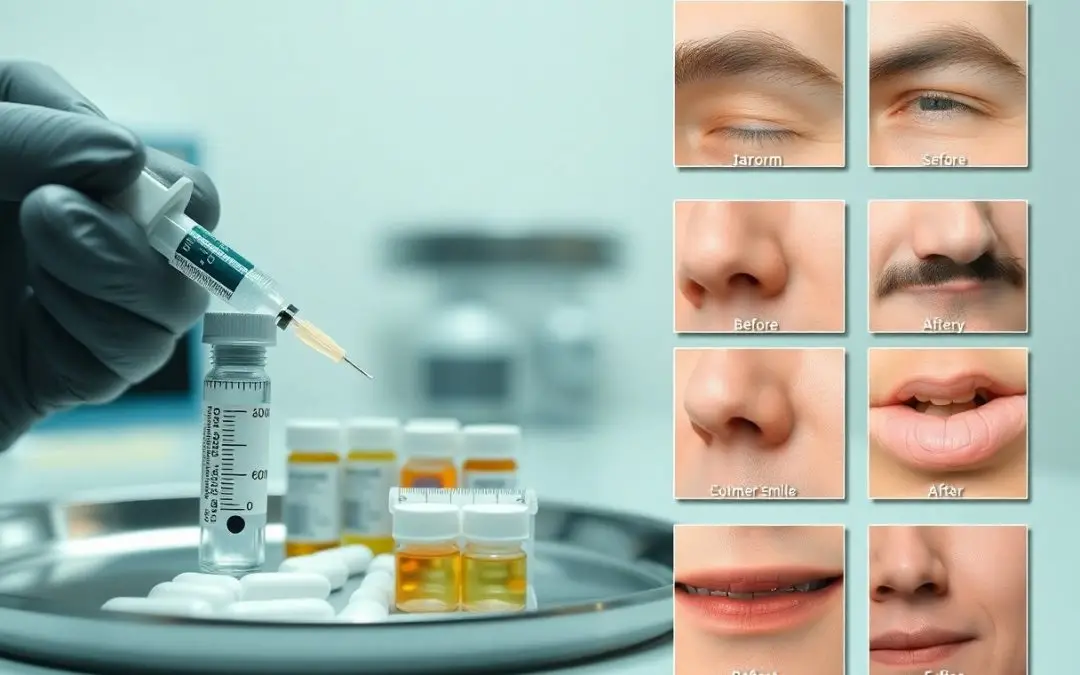
Just learn how Botox helps you beyond wrinkles: reduce chronic migraines, control excessive sweating, ease muscle spasms, prevent teeth grinding, soften jaw contours, and support scar-free healing, all supported by clinical evidence.
Chronic Migraine Relief
You can experience fewer migraine days with Botox, as targeted injections reduce nerve signaling that triggers attacks, improving your quality of life and daily function.
Reduces Headache Frequency
You may see a steady drop in monthly headache days after Botox, lowering attack frequency and helping you regain predictable routines.
Minimizes Pain Intensity
You often report milder pain during attacks because Botox dampens muscle tension and chemical messengers that amplify migraine pain.
You might notice shorter, less severe attacks after a few treatment cycles as Botox reduces peripheral and central sensitization. Clinical studies demonstrate consistent reductions in pain scores and analgesic use for many patients.
Excessive Sweating Control
You reduce excessive sweating with Botox injections that block nerve signals to sweat glands, offering months of dryness, fewer stains, and greater comfort during daily activities.
Blocks Overactive Sweat Glands
You receive targeted Botox shots that inhibit acetylcholine release, stopping overactive sweat glands from producing excess moisture and often cutting underarm sweat by over 80% for months.
Increases Social Confidence
You gain social confidence as reduced sweating lowers fear of visible stains and awkward handshakes, letting you focus on conversations instead of perspiration.
You may notice clearer professional and personal interactions, easier clothing choices, and less social anxiety; many patients report improved quality of life after treatment.
Overactive Bladder Treatment
You can use Botox injections to calm overactive bladder muscles, reducing involuntary contractions, urgency, and leakage; treatment often improves daytime control and sleep by decreasing sudden urges.
Decreases Urinary Urgency
You experience fewer urgent episodes after Botox as it blocks nerve signals that trigger detrusor overactivity, lowering urge incontinence and giving you longer intervals between voiding.
Improves Bladder Capacity
You often gain bladder capacity with Botox because relaxed detrusor muscles allow the bladder to hold more urine, reducing frequency and nocturia.
You receive cystoscopic injections into the bladder wall; improvements in capacity usually appear within two weeks and can last three to nine months. You may need repeat treatments and monitoring for urinary retention or infections, and your clinician can adjust dose or technique to optimize benefit while minimizing side effects.
Eye Twitching Management
You can use Botox to calm persistent eyelid twitches by blocking nerve signals that cause muscle contractions, reducing frequency and intensity within days.
Stops Involuntary Spasms
Botox targets overactive muscles so you experience fewer involuntary spasms, restoring steadier eye movement and lowering discomfort during daily activities.
Relieves Eyelid Strain
Targeted injections ease eyelid tension, making it easier for you to blink naturally and reducing strain-related fatigue around the eyes.
Clinical treatments allow precise dosing so you keep crucial eyelid movement while minimizing overactivity; follow-up appointments ensure adjustments if you notice persistent tightness or uneven blinking.
Jaw Tension Reduction
You can reduce chronic jaw tightness with targeted Botox injections, which relax hyperactive masseter and temporalis muscles, easing discomfort and improving facial comfort without affecting normal chewing.
Alleviates TMJ Symptoms
You may experience fewer TMJ flare-ups after Botox weakens overactive jaw muscles, lowering pain, clicking, and limited opening while complementing other dental or physical therapies.
Prevents Teeth Grinding
You often stop or reduce nocturnal bruxism when Botox decreases jaw-closing force, protecting teeth and reducing morning soreness without bulky appliances.
You may notice fewer grinding episodes within days to two weeks as Botox reduces masseter muscle contractions; effects typically last three to six months, so follow-up treatments are common and your clinician will tailor dosing for function and aesthetics.
Muscle Spasticity Relief
You gain relief from involuntary muscle contractions when Botox weakens overactive nerves, reducing pain and improving comfort during daily activities.
Relaxes Stiff Muscles
You notice reduced stiffness as Botox limits abnormal muscle firing, softening tight areas and lowering discomfort for conditions like cerebral palsy or post-stroke spasticity.
Enhances Mobility Range
You achieve greater joint flexibility because Botox eases spasticity, allowing smoother movement patterns and reducing compensatory strain during walking and reaching.
You often receive targeted injections combined with physical therapy to maximize gains; effects typically begin within days and last months, helping you regain functional tasks and improve gait.
Depression Symptom Improvement
You may experience reduced depressive symptoms after Botox, as paralyzing frown muscles can alter the facial-feedback loop and decrease negative emotions. Clinical trials show you may gain mood benefits when Botox complements standard treatments.
Influences Emotional Processing
You experience shifts in emotional processing because reducing corrugator activity lowers negative facial expressions, which can change how you interpret emotions and respond in social situations.
Boosts Overall Mood
You may notice overall mood boosts after Botox, as reduced frowning and improved social interactions lower negative affect and support a brighter daily outlook.
You can expect mood changes from Botox through several mechanisms: interrupting the facial-feedback loop reduces recurrent negative signaling to your brain; decreased muscle tension can lower physiological stress markers; and improved self-perception may increase social confidence. Your results vary and are strongest when Botox complements psychological treatment rather than replaces it.
Acne and Oil Reduction
Botox can reduce pore-clogging oil and improve acne by relaxing muscles that stimulate sebaceous glands, so you see fewer breakouts and smoother skin over time.
Minimizes Pore Appearance
Relaxed facial muscles from Botox can shrink pore appearance, giving you a finer skin texture and a more even complexion after a few sessions.
Decreases Sebum Production
Botox lowers sebum output by reducing sympathetic signals to oil glands, helping you manage oily skin and reduce acne formation with targeted injections.
You may notice reduced shine within weeks, especially in the forehead and T-zone, and treatments typically last three to four months; discuss dosage and placement with your provider to balance oil control and natural expression.
Neck Spasm Treatment
You can reduce painful neck spasms with targeted Botox injections that relax overactive muscles, offering lasting relief and improved mobility.
Eases Cervical Dystonia
You may experience fewer involuntary contractions and less pain when Botox weakens muscles causing cervical dystonia, restoring more controlled movement.
Corrects Head Posture
You should notice straighter head alignment as Botox relaxes tight neck muscles that pull your head out of position, improving comfort.
Botox helps you regain natural head alignment by selectively weakening overactive neck muscles; results often appear within days and peak in two weeks.
Chronic Pain Management
You can find meaningful relief from chronic headaches, neck pain, and muscle spasms when Botox reduces overactive muscles and dampens pain pathways that sustain long-term discomfort.
Interrupts Nerve Signals
You receive precise injections that block acetylcholine release, reducing muscle contractions and decreasing nociceptive signaling to the spinal cord and brain, which lowers pain perception.
Targets Specific Trigger Points
You get injections placed directly into hyperactive trigger points, relaxing focal muscles and interrupting localized pain cycles common in myofascial pain and chronic migraine.
You may notice improvement within days to weeks, with relief often lasting three months or longer; your provider maps trigger points and adjusts dosing to target pain sources precisely.
Conclusion
Summing up, you gain wrinkle reduction plus migraine relief, decreased sweating, eased muscle spasms, improved facial symmetry, and confidence, with predictable, evidence-based results when treatments are administered by qualified clinicians.