
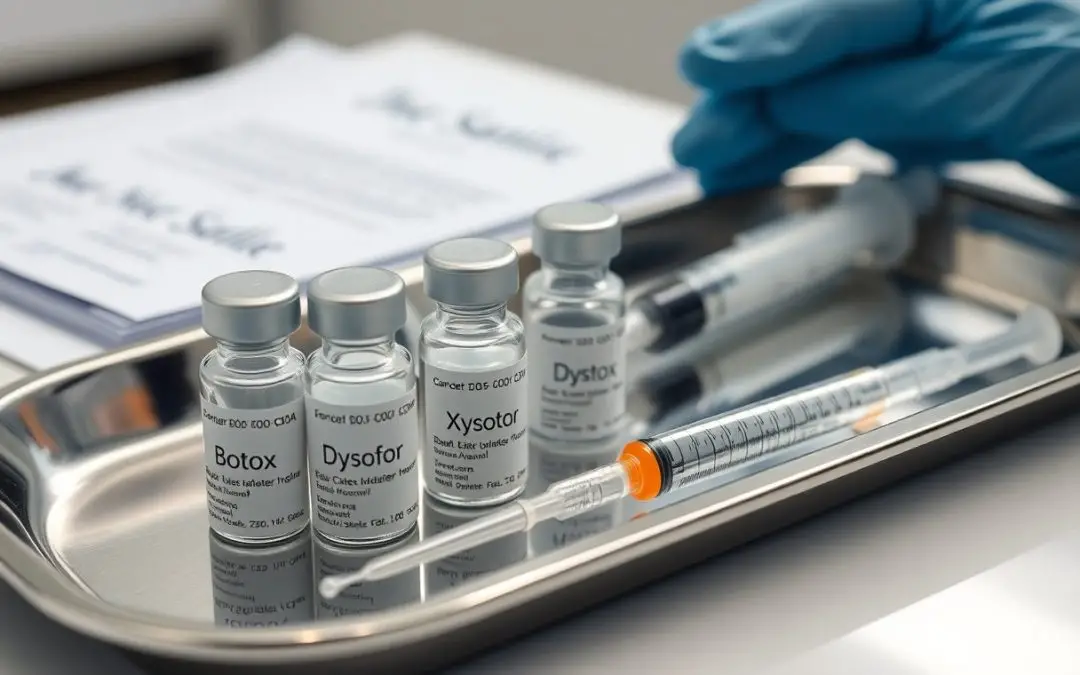
Botox, Dysport, and Xeomin differ in onset, diffusion, and formulation; you should weigh treatment goals, duration, cost, and practitioner experience to choose the injectable that best matches your aesthetic needs and medical history.
Understanding Botulinum Toxin Type A
You should know that Botulinum toxin type A temporarily blocks nerve signals to targeted facial muscles, reducing dynamic wrinkles and smoothing expressions with predictable results.
Mechanism of Action on Facial Muscles
The toxin prevents acetylcholine release at the neuromuscular junction, so you get weakened muscle contractions and softer lines within days.
Safety Profiles and FDA Approval History
Clinical trials and decades of clinical use show low rates of serious adverse events; you can expect transient bruising, localized weakness, and rare systemic effects when treated by trained providers.
Regulatory approvals and labeled indications differ among products, so you may require specific dosing adjustments; consulting an experienced clinician helps match safety data, approved uses, and your treatment goals.
Botox: The Established Gold Standard
Botox remains the injectable you trust for predictable wrinkle reduction, backed by decades of data, consistent dosing, and widespread clinician experience that helps you achieve reliable, natural-looking results.
Molecular Composition and Protective Proteins
Formulation differences mean Botox contains accessory proteins around the neurotoxin, which can affect handling and immune response; you should discuss prior exposures and sensitivities with your provider.
Expected Longevity and Ideal Treatment Zones
Duration for most patients is about three to four months, with best results in glabellar lines and crow’s feet when you receive accurately placed injections from an experienced injector.
Treatment outcomes vary by dose, muscle mass, injection technique, and your metabolism; higher doses or targeting larger muscles often extend effect but can change facial movement. You can extend results by following post-care guidance, scheduling touch-ups based on your personal response, and choosing a clinician who tailors placement and units to your anatomy.
Dysport: Efficiency in Diffusion
Dysport diffuses more widely than some alternatives, which can smooth larger areas with fewer injection points, offering you efficient coverage for forehead and broad muscle groups.
Spreadability for Forehead and Larger Surface Areas
Wide spreadability lets Dysport cover forehead lines and wider surfaces with fewer injections, so you often experience more uniform softening and reduced pinpointing during treatment.
Rapid Onset of Action for Faster Results
Experience quicker results with Dysport; you can notice improvement within 24-48 hours, helping you assess outcomes and schedule touch-ups sooner.
Clinical evidence and practitioner experience show Dysport’s molecular profile promotes faster neuromuscular blockade at treated sites, so you may see earlier wrinkle relaxation than with other products; your provider will still adjust dose and placement to balance prompt results with a natural appearance.
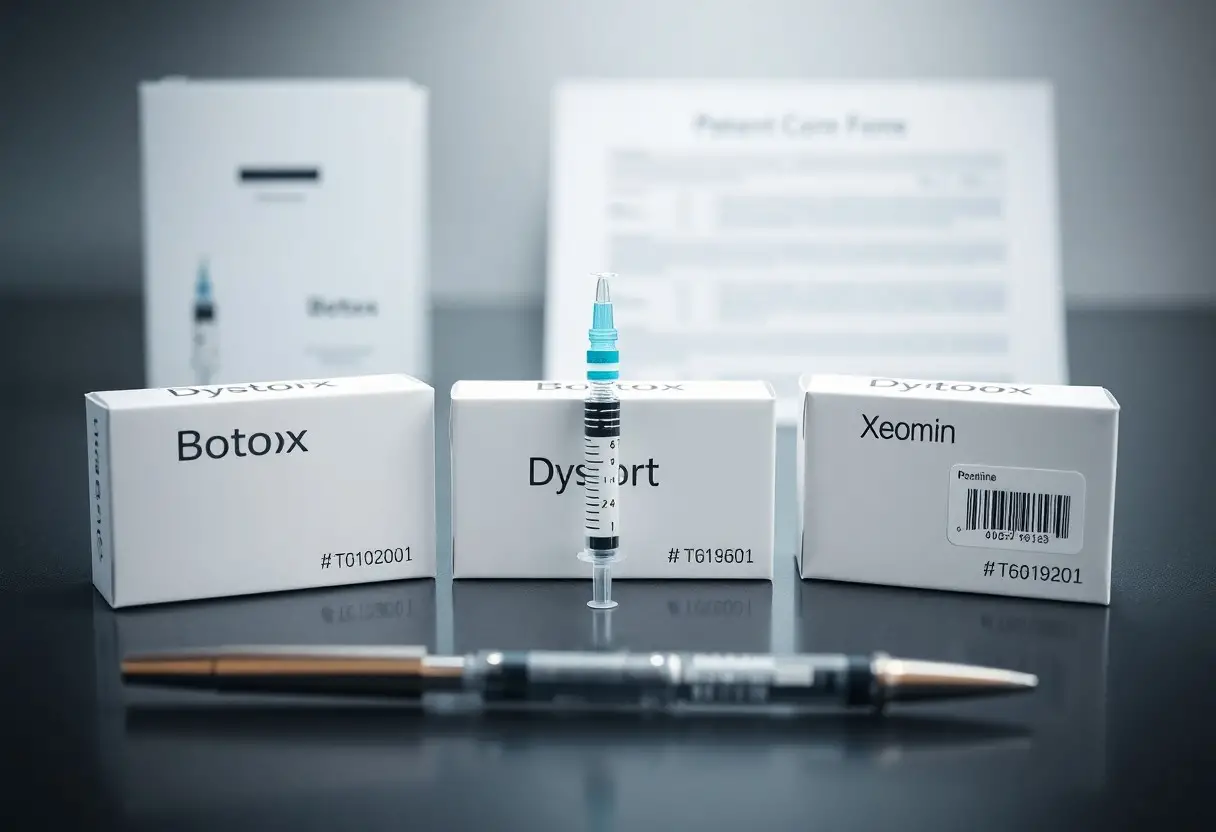
Xeomin: The Purest Alternative
Xeomin offers a minimal formulation that removes accessory proteins, so you may experience fewer immune reactions and a more predictable onset. You’ll often get comparable wrinkle softening with a straightforward approach preferred when previous treatments caused sensitivity.
The “Naked” Injectable: Absence of Accessory Proteins
Its formulation contains only the active botulinum toxin without accessory proteins, which means you may face a reduced chance of antibody development and cleaner dosing for targeted areas.
Reducing the Risk of Treatment Resistance and Neutralizing Antibodies
By lacking complexing proteins, Xeomin may lower the likelihood that your immune system produces neutralizing antibodies, helping preserve effectiveness if you undergo repeated treatments.
If you’ve noticed diminishing results after routine injections, discuss antibody testing and treatment history with your clinician because formation of neutralizing antibodies tends to correlate with higher doses, short injection intervals, and prolonged exposure-factors more common in therapeutic uses than cosmetic ones. Your provider can review prior brands, adjust dosing or spacing, and consider switching to Xeomin to reduce antigenic load; note that confirmed resistance may require alternative strategies and that switching may restore response in many, but not all, cases.
Botox Vs. Dysport Vs. Xeomin – Which Injectable Is Right For You?
Comparative Potency and Dilution
| Brand | Potency / Dilution Notes |
|---|---|
| Botox | Standardized units; commonly used dilution for predictable dosing |
| Dysport | Lower unit potency per label; often requires conversion and different dilution |
| Xeomin | Purified formulation with unit potency similar to Botox; dilution choices affect spread |
Understanding Unit Conversion Ratios Between Brands
Conversions between Botox, Dysport and Xeomin aren’t one-to-one; you should expect different unit counts for similar effects, so your clinician adjusts dose rather than units alone.
Cost-Effectiveness vs. Longevity Factors
Pricing per unit differs and you should weigh cost against how long results last; sometimes paying more per unit yields fewer treatments over time.
- Unit pricing varies by provider and region.
- Technique and dilution affect effective dose per treatment.
- Recognizing that longer-lasting results can offset higher per-treatment costs when you project annual spend.
Longevity of results influences overall cost: if you need treatments every three months versus every six, your yearly expenses will change, so you should ask providers about average duration, retreatment rates, and how dosing strategy impacts interval planning.
- Calculate yearly cost using expected retreatment intervals.
- Include consultation, facility, and follow-up fees when you compare options.
- Recognizing individual metabolism and activity levels changes how often you’ll actually return for touch-ups.
Factors for Selecting Your Ideal Injectable
Choosing your best injectable depends on goals, muscle strength, and treatment area.
- Desired onset and duration
- Spread and precision needed
- Allergy or sensitivity history
This framework helps you and your clinician pick the optimal product.
Assessing Facial Anatomy and Targeted Concerns
Assessing your facial anatomy guides injector decisions: muscle size, skin quality, and wrinkle pattern determine dose and placement, so you get tailored results that address targeted concerns without over-treatment.
Influence of Patient History and Metabolism on Efficacy
Considering your medical history, prior neurotoxin use, and metabolic rate helps predict response; you may require different dosing or an alternate product for optimal duration and effect.
Patient history – medications, autoimmune disorders, and prior neurotoxin exposure – influences immunogenicity and baseline sensitivity. High metabolic turnover or regular exercise may shorten duration, so you might need higher doses or shorter intervals. Work with your injector to document responses and adjust product choice, dosing, or timing to match your physiology and aesthetic goals.
Final Words
The right injectable for you depends on treatment area, desired onset and duration, sensitivity to proteins, and your injector’s technique; consult an experienced provider to compare Botox, Dysport, and Xeomin and choose the option that best matches your goals and medical history.