
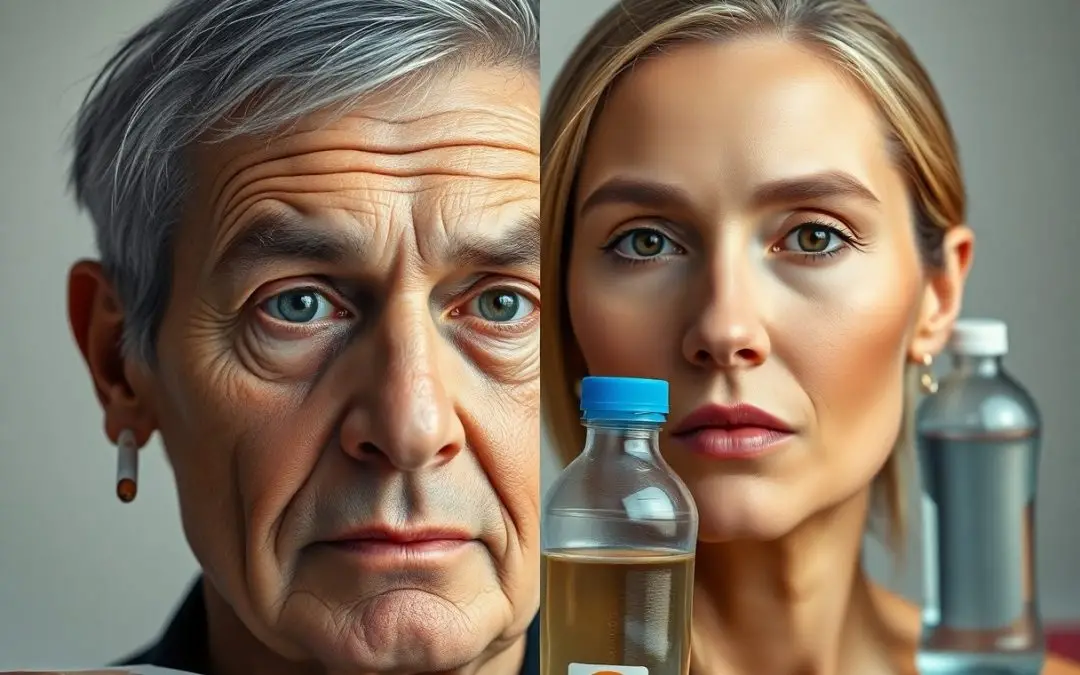
The Biology of the Weary Face
Chronic stress reshapes your face in ways you may not immediately notice. Your body’s constant state of alert alters hormone balance, muscle tension, and skin repair cycles. Over time, these internal shifts reveal themselves as dullness, sagging, and deeper lines. You’re not just tired-you’re showing it where it’s most visible.
Cortisol and Collagen Loss
Cortisol floods your system when stress lingers, and this hormone breaks down collagen-the protein that keeps your skin firm. With less collagen, your face loses elasticity, leading to fine lines and a tired appearance. You’re literally aging faster under pressure.
Inflammation Under the Skin
Inflammation simmers beneath your skin when stress becomes routine. This low-grade response damages healthy tissue and slows healing. You may not see redness, but over time, it weakens your skin’s foundation and accelerates visible aging.
Hidden inflammation disrupts your skin’s natural renewal process by activating immune cells that mistakenly attack healthy structures. Oxidative stress compounds the damage, weakening the dermal layer and impairing barrier function. You experience this as increased sensitivity, uneven tone, and premature wrinkles-even without sun exposure or poor skincare.
The Price of No Sleep
Chronic sleep deprivation accelerates visible signs of aging by weakening your skin’s resilience. Without consistent rest, your body struggles to regulate cortisol, increasing inflammation that breaks down collagen. You’re left with duller skin, deeper fine lines, and a tired appearance that no concealer can fully mask.
Rest and the Eyes
Every hour of lost sleep shows up under your eyes. Fluid builds up, causing puffiness, while poor circulation leads to dark shadows. Over time, the delicate skin there thins faster, making wrinkles and hollows more pronounced. Prioritizing rest is one of the simplest ways to preserve a refreshed look.
Night Cycles of Repair
Your skin enters peak regeneration mode while you sleep. Cells multiply rapidly, repairing UV damage and restoring moisture barriers. Skipping this nightly reset means missed opportunities for renewal, leaving your complexion more vulnerable to environmental stressors and premature aging over time.
Skin’s nightly repair process relies on consistent, high-quality sleep to function optimally. During deep sleep, blood flow to the skin increases, delivering oxygen and nutrients that support collagen synthesis and tissue recovery. Disrupting this cycle-through late nights or poor sleep quality-slows cellular turnover, weakening elasticity and contributing to a tired, aged appearance over months and years.
Sugar and the Dry Skin
Excess sugar in your diet accelerates glycation, a process that damages collagen and elastin fibers in your skin. This breakdown leads to loss of elasticity, making your face appear saggy and worn. Over time, high sugar intake also depletes moisture, leaving your complexion dry and more prone to visible fine lines.
The Snap of Brittle Fibers
Collagen and elastin keep your skin resilient, but sugar-coated proteins become stiff and fragile. When these fibers lose flexibility, they snap under normal movement, creating deeper creases. You’ll notice this most around the eyes and mouth, where expressions are frequent and skin is thin.
The Need for Water
Your skin relies on consistent hydration to maintain plumpness and elasticity. Without enough water, it turns dull and tight, exaggerating wrinkles. Even mild dehydration affects your complexion within hours, making daily intake important for a smoother, more youthful appearance.
Deprived of adequate moisture, your skin’s barrier weakens, allowing irritants to penetrate and moisture to escape. This imbalance triggers inflammation, which over time speeds up collagen breakdown. Drinking enough water supports cellular repair and helps flush toxins that contribute to premature aging. Aim for consistent intake throughout the day, not just when you feel thirsty, to keep your skin functioning optimally.
The Sun and the Dirty Air
Every moment outdoors exposes your skin to forces that accelerate aging. UV radiation breaks down collagen, while pollution clings to your face, worsening the damage. You face these elements daily, often without realizing their combined toll on your complexion and elasticity.
The Cruelty of Light
Light from the sun penetrates deep into your skin, even on cloudy days. This exposure triggers oxidative stress, weakening the support structure beneath your face. Over time, fine lines deepen and pigmentation shifts, revealing where sunlight has lingered too long.
The Dust of the City
Pollutants in urban air settle on your skin, clogging pores and fueling inflammation. These invisible particles generate free radicals, speeding up cellular aging. Without consistent cleansing, your face bears the mark of every commute and crowded street.
Microscopic particles like soot and exhaust residue adhere to your skin’s surface and mix with natural oils, forming a grime layer that sunscreen alone can’t block. This toxic blend disrupts your skin barrier, increases sensitivity, and may worsen conditions like acne and rosacea. Regular cleansing and antioxidant-rich skincare offer real protection against the city’s invisible burden.
The Smoke and the Frown
You expose your skin to more than just toxins when you smoke-each puff pulls facial muscles into a habitual frown, etching lines around your mouth and eyes. Over time, this repetitive motion teams up with reduced collagen to deepen wrinkles far beyond natural aging.
The Choking of the Blood
Smoking restricts blood flow, starving your skin of oxygen and imperative nutrients. Without consistent circulation, your complexion loses its vitality, appearing dull and sallow long before its time.
The Tracks of Worry
Repeated facial expressions tied to stress-like furrowed brows or tight jaws-create lasting creases. These “worry lines” form because muscles contract the same way day after day, pressing the skin into permanent folds.
When you constantly tense your forehead or squint in anxiety, you’re not just expressing stress-you’re sculpting it into your face. These micro-movements, repeated over months and years, break down elastin and make expression lines visible even at rest. Over time, what begins as a temporary furrow becomes a fixed part of your appearance, revealing not just age, but the weight you carry mentally and emotionally.
The Way to Fix the Face
You can reverse some signs of facial aging by aligning your daily choices with your body’s natural rhythms. Stress reduction, quality sleep, and mindful skincare form the foundation of visible renewal. Your face reflects what you feed it-both emotionally and physically.
The Quiet Mind
Mental stillness slows the physical markers of aging. When you quiet your thoughts through meditation or breathwork, cortisol levels drop, reducing puffiness and fine lines. You give your facial muscles a chance to reset, softening the tension etched by chronic stress.
The Use of Good Creams
A well-formulated cream supports your skin’s barrier and boosts hydration. You’ll notice fewer wrinkles and a more even tone when you use products with proven ingredients like ceramides, peptides, and gentle antioxidants tailored to your skin type.
Choosing the right cream isn’t about luxury-it’s about function. Look for non-comedogenic formulas that reinforce your skin’s moisture retention without clogging pores. Consistent use of well-balanced creams enhances elasticity and protects against environmental stressors, giving your face a calmer, more resilient appearance over time.
Conclusion
Presently, your stress levels and daily habits directly influence how your face ages. Chronic stress accelerates wrinkles and dullness, while poor sleep, diet, and sun exposure worsen the effects. By managing stress and choosing healthier routines, you slow visible aging and support long-term skin health.