

Toxin produced by the bacterium Clostridium botulinum is both feared and revered in the world of medicine and cosmetics. While often associated with food poisoning, this potent neurotoxin has practical applications that might surprise you. By understanding its mechanisms, risks, and benefits, you can make informed choices about treatments and safety. In this blog post, we will probe into the comprehensive truth about botulinum toxin, helping you navigate its complexities and potentials in medical and aesthetic fields.
Understanding Botulinum Toxin
What is Botulinum Toxin?
For many, the term botulinum toxin conjures up images of beauty treatments, but it is so much more than that. Botulinum toxin is a potent neurotoxin produced by the bacterium Clostridium botulinum. It is known for causing a severe type of food poisoning called botulism when ingested from contaminated food. However, in minimal doses, it has therapeutic effects and is used in various medical and cosmetic procedures.
Botulinum toxin works by blocking the release of acetylcholine, a neurotransmitter that enables muscle contractions. This property allows it to reduce muscle activity, leading to smoother skin in cosmetic applications and relief from various muscle-related disorders in medical contexts. Your understanding of this toxin’s diverse uses can help you appreciate its significance beyond aesthetic appeal.
The History of Botulinum Toxin Use
Botulinum toxin has a long and fascinating history, with its origins tracing back to the early 19th century when it was first identified as a cause of foodborne illness. However, its initial medical applications began much later, in the 1970s, when researchers discovered its ability to temporarily paralyze muscles. This groundbreaking finding led to its approval for various medical treatments, including those for eye disorders and excessive sweating, among others.
As the science behind botulinum toxin advanced, its cosmetic applications emerged in the 1980s, primarily for treating facial wrinkles. The popularity of its aesthetic benefits skyrocketed over the following decades, leading to widespread use in both clinical and beauty industries. Understanding its journey from a harmful toxin to a medical marvel helps you appreciate the care and precision involved in its application.
Types of Botulinum Toxin
Botulinum toxin exists in several serotypes, with the most commonly used being types A and B. Each type offers unique properties and applications. Knowing the differences can assist you in making informed choices regarding treatments.
| Botulinum Toxin Type | Common Uses |
| Type A | Cosmetic: Reduce wrinkles, Medical: Muscle spasms |
| Type B | Medical: Cervical dystonia, chronic migraine |
| Type C | Research purposes, lesser clinical applications |
| Type D | Primarily for research |
Botulinum toxin type A is the most recognized, primarily due to its favorable safety profile and extensive use in cosmetic procedures. Its therapeutic applications extend to conditions such as chronic migraines and overactive bladder. Understanding these types can enhance your appreciation for their specific applications and potential benefits.
- Type E: Less common, used for specific conditions
- Type F: Mainly used for research purposes
- Type G: Limited research applications
- Type H: Not widely utilized
Knowing the different types of botulinum toxins allows you to align your treatment goals with the proper toxin type best suited for those purposes.
Mechanism of Action
Mechanism of action refers to how botulinum toxin exerts its effects on the body. It achieves this by binding to the presynaptic membrane of nerve cells, inhibiting the release of acetylcholine, which, in turn, prevents muscle contraction. This inhibition results in temporary paralysis of targeted muscles, providing both therapeutic and cosmetic benefits.
In cosmetic use, this mechanism allows for smoother skin and reduced wrinkles, while in medical applications, it can relieve symptoms associated with various neurological disorders. Your understanding of this underlying mechanism empowers you to make more informed decisions about the procedures you choose.
Botulinum toxin’s ability to selectively inhibit neuromuscular transmission has made it invaluable in clinical settings. With precise administration, it provides effective symptom relief for numerous conditions, thereby improving quality of life. Your awareness of its mechanisms can contribute to better expectations regarding its effects and outcomes.
Medical Applications
Any discussion about botulinum toxin must recognize its profound impact beyond cosmetic treatments. In fact, it has been approved for various medical applications, benefiting numerous patients with different health conditions. The therapeutic uses derive from its ability to temporarily paralyze muscles, providing effective relief for a range of neuromuscular and pain-related disorders.
Treatment of Neuromuscular Disorders
One of the most prominent uses of botulinum toxin in medical settings is in the treatment of neuromuscular disorders. Disorders such as cervical dystonia, which involves painful muscle spasms in the neck, can be effectively managed with botulinum injections. These injections work by blocking the release of acetylcholine, the neurotransmitter responsible for muscle contractions. As a result, patients often experience significant relief from debilitating symptoms and an improved quality of life.
Moreover, botulinum toxin has shown effectiveness in treating spasticity associated with conditions like multiple sclerosis or cerebral palsy. By injecting the toxin into overactive muscles, you can reduce excessive muscle tone and enhance mobility, making everyday tasks more manageable.
Botulinum Toxin in Pain Management
Pain management is another critical area where botulinum toxin has made a significant impact. Pain from conditions such as chronic migraines, tension headaches, and even pain in the lower back can be effectively alleviated through targeted injections of the toxin. By inhibiting the nerve signals that transmit pain, you may find genuine relief from persistent discomfort.
This application is not limited to headache relief; studies have demonstrated botulinum’s potential in conditions like temporomandibular joint (TMJ) dysfunction, where muscle tightness contributes to pain and discomfort. Many patients report a marked decrease in pain symptoms and an improved ability to engage in daily activities after treatment.
Use in Cosmetic Procedures
On the aesthetic front, botulinum toxin is widely known for its use in cosmetic procedures, particularly in reducing the appearance of wrinkles and fine lines. By injecting the toxin into specific facial muscles, you can create a smoother appearance, diminishing the signs of aging. This use has become so popular that the procedure is commonly referred to as “Botox,” after the brand that popularized it.
With advances in injection techniques and a better understanding of how the toxin interacts with the muscles in your face, you might find that treatments can be tailored to your individual needs, leading to more natural results. Many patients enjoy not just physical enhancements but also boosted self-confidence from their rejuvenated appearance.
Other Medical Applications
Cosmetic enhancements are just one facet of botulinum toxin’s multifaceted applications; it is also utilized in various other medical conditions. For instance, conditions such as excessive sweating (hyperhidrosis), overactive bladder, and even certain eye disorders like strabismus can be treated with botulinum toxin injections. These applications demonstrate the versatility and efficacy of this neurotoxin in addressing a range of medical issues.
Botulinum toxin has even expanded into unconventional territories, being explored for its potential in treating conditions like depression, obesity, and even certain types of chronic cough. The ongoing research into these possibilities indicates that there may be even more future applications of this powerful substance.
Safety and Efficacy
Unlike many cosmetic procedures, the safety and efficacy of botulinum toxin treatments have been extensively researched, providing you with valuable insights into what to expect. Understanding these aspects is crucial in making an informed decision about whether to proceed with this popular treatment option.
Safety Profile of Botulinum Toxin
With a track record of both therapeutic and cosmetic applications, botulinum toxin has been shown to maintain a favorable safety profile when administered by qualified professionals. Regulatory agencies such as the FDA have approved various formulations of botulinum toxin for use in treating conditions like chronic migraines, excessive sweating, and, of course, wrinkles. When used within the recommended guidelines, complications are rare; however, occurrences can happen when dosage or technique is outside the norms.
Efficacy in Patient Populations
Safety data increasingly confirm botulinum toxin’s efficacy across a wide range of patient demographics, from young adults seeking cosmetic enhancements to older individuals addressing age-related concerns. Studies indicate that when used correctly, patients can expect noticeable improvements, whether that be a reduction in fine lines or relief from migraines. Your response to the treatment may vary based on individual factors, including age, skin type, and medical history.
Furthermore, clinical findings suggest that botulinum toxin can be effective in specific populations with particular needs, such as those with certain neurological conditions, highlighting its versatility. This means that you may find it beneficial not just for aesthetic purposes, but also as a treatment option addressing various medical conditions.
Common Side Effects
On one hand, while botulinum toxin is generally safe, like all medical procedures, it comes with potential side effects that you should be aware of. Common side effects may include localized discomfort, swelling at the injection site, or temporary muscle weakness. Typically, these effects are mild and resolve on their own within a few days, but being aware of them can help you manage your post-treatment experience more effectively.
Another point to consider is the importance of monitoring your body’s response to the treatment. As your body adjusts, some side effects may be transient and brief, while others might warrant a discussion with your healthcare provider to ensure your treatment remains safe and effective.
Long-Term Use and Its Implications
The long-term use of botulinum toxin products is an area of ongoing research and has its implications for you as a potential patient. Regular users may develop a tolerance, which could necessitate a higher dosage to achieve the same effects over time. While this phenomenon is still being studied, it’s imperative to take a proactive approach by regularly consulting with your healthcare provider about your treatment plan.
Additionally, there are considerations regarding the cumulative effects of repeated treatments. As your body adapts, discussing your goals and experiences with a professional can ensure that you maintain the desired result while minimizing any risks associated with long-term use.
Patient education and communication with your healthcare provider are critical components in navigating the landscape of botulinum toxin treatments. Taking the time to understand what to expect can lead to optimal results and satisfaction with your experience.
Administration and Dosage
Not all botulinum toxin treatments are created equal, and understanding the administration methods and recommended dosages is crucial for efficacy and safety. While some individuals may consider using Botox for cosmetic purposes, you should take steps to ensure that you comprehend the potential risks involved, including any long-term health concerns. For further insight, check out this article on Are there long-term health risks to using Botox?.
Methods of Administration
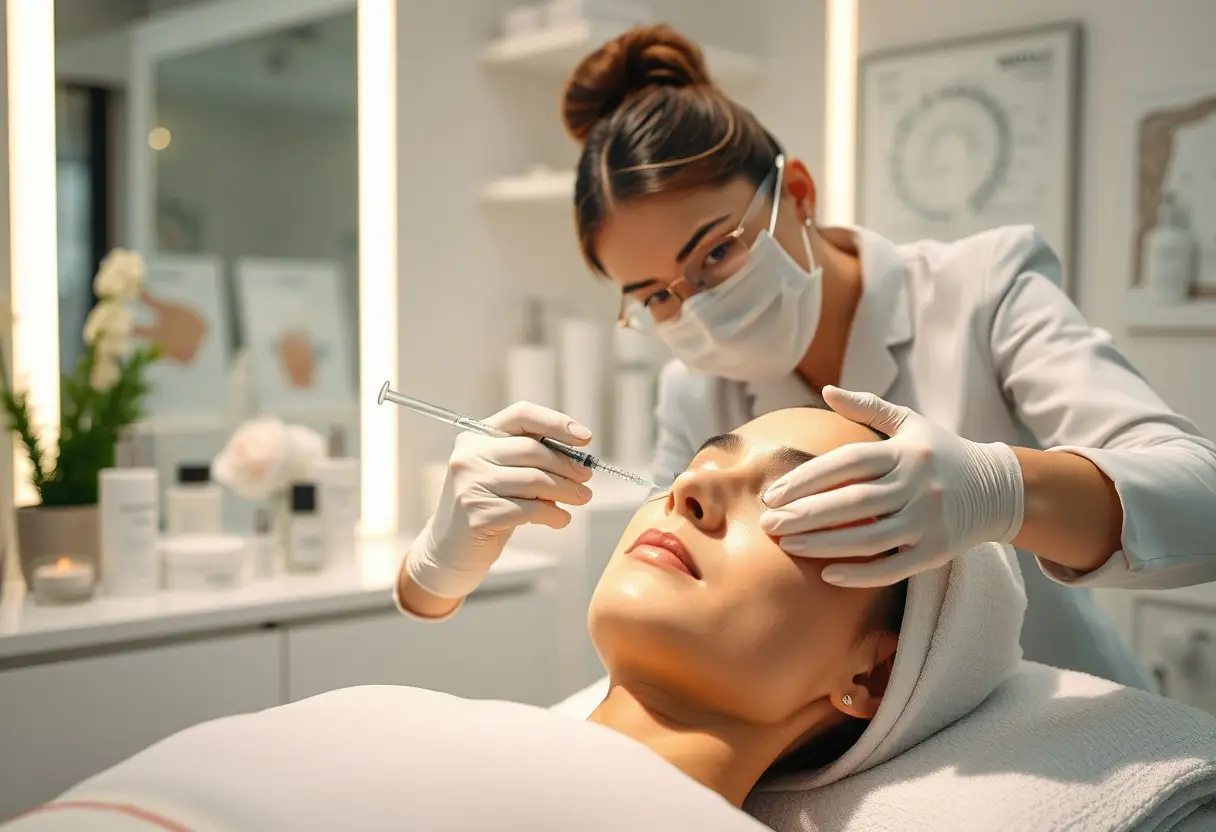
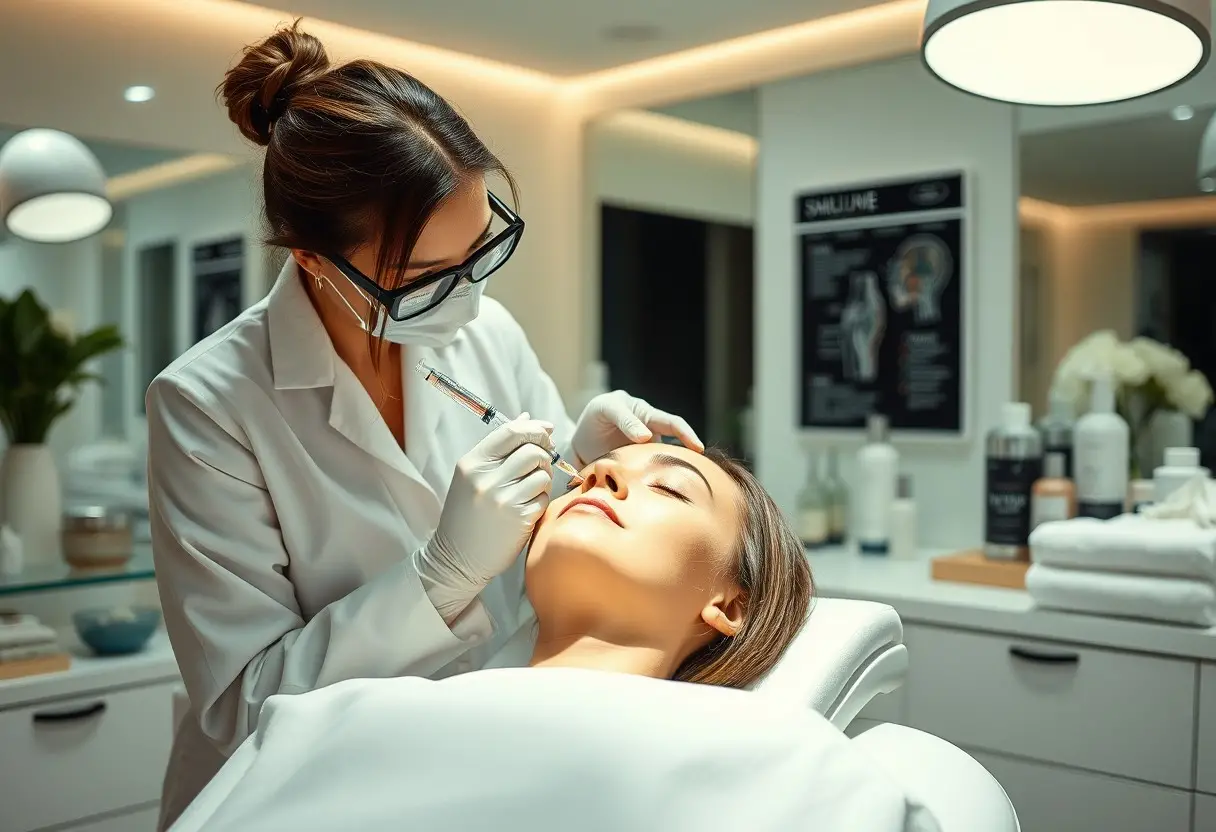
One of the most common methods of administering botulinum toxin is through intramuscular injections. During this process, a healthcare professional will use a thin needle to inject the toxin directly into the muscles that require treatment. The procedure generally takes only a few minutes and does not require anesthesia, though some practitioners may apply a local numbing agent to minimize any discomfort you might feel.
Another method involves injecting the toxin into specific areas of the skin, which can be particularly useful for treating certain dermatological conditions or enhancing cosmetic results. In both cases, precision is key; the injections must be strategically placed to achieve the desired muscle relaxation and aesthetic improvement, while minimizing any potential side effects.
Recommended Dosage Guidelines
Administration of botulinum toxin requires careful consideration of the recommended dosage guidelines. This can vary greatly depending on the area being treated, the individual’s health history, and the specific formulation of botulinum toxin used. Most practitioners rely on established dosing protocols to determine the appropriate amount for each patient.
Dosage levels are typically measured in units, with some procedures requiring anywhere from 20 to 200 units per treatment session. It’s crucial to follow a healthcare professional’s guidance on dosage to ensure both safety and optimal results.
Factors Influencing Dosage
One vital aspect that influences dosage recommendations is the muscle strength and size of the area being treated. The more robust the muscle, the higher the dosage you may require. Additionally, the frequency of previous treatments can also have an impact; if you’ve had botulinum toxin injections before, your healthcare provider may adjust the dosage based on your past response to the treatment.
- Patient’s Age
- Specific Condition Being Treated
- Desired Results
Recognizing these factors can help you work with your provider to find a dosage that is both effective and safer for your individual circumstances.
One more point to consider is that individual responses to botulinum toxin can vary widely. Therefore, your healthcare provider may take a cautious approach during your first treatment session and start with a lower dosage. This allows them to monitor your body’s response before determining if adjustments are needed for future treatments.
- Medical History
- Current Medications
- Allergies
Recognizing these variables can assist in creating a customized treatment plan that maximizes benefits while reducing any potential risks.
Role of Healthcare Professionals
Dosage can greatly differ between individuals, making the role of healthcare professionals important in determining the appropriate injection techniques and quantities. They have the expertise to evaluate your needs accurately and will often conduct a thorough consultation to assess which areas to target and how many units will be necessary for optimal results.
Recommended by most professionals is to seek treatment only from licensed practitioners trained specifically in administering botulinum toxin. This ensures that you receive safe and effective care, minimizing the chances of side effects or complications.

Regulatory Aspects
To understand the implications of botulinum toxin usage, it’s important to be aware of the regulatory framework governing this powerful neurotoxin. As it is associated with both cosmetic and medical applications, the oversight ensures that products are safe and effective for public use. The Centers for Disease Control and Prevention (CDC) has documented instances where botulinum toxin has led to adverse effects, highlighting the importance of stringent regulatory measures. You can find more information in the report titled Notes from the Field: Illnesses After Administration of …, which details cases that necessitated regulatory attention.
Approval Process for Botulinum Toxin Products
For botulinum toxin products to be approved for both medical and cosmetic use, they must undergo rigorous testing and evaluation by regulatory bodies like the U.S. Food and Drug Administration (FDA). This process includes preclinical studies and comprehensive clinical trials that assess safety, efficacy, and any potential side effects. After meeting the necessary criteria, the manufacturer submits a New Drug Application (NDA) or Biologics License Application (BLA) for review. Only after thorough evaluations can a product receive approval for public distribution.
For you to be informed, post-marketing surveillance is also a vital component of the approval process. Once a product is on the market, ongoing monitoring tracks its long-term effects and any adverse reactions that may surface. This accountability is crucial in helping to maintain safety standards and support consumer confidence in the use of botulinum toxin.
Differences in Regulation by Country
Botulinum toxin regulations vary significantly from one country to another, impacting how and where you might receive treatment. While the FDA in the U.S. has a stringent approval process, many countries may have less rigorous standards, potentially leading to variations in product safety and efficacy. In Europe, the European Medicines Agency (EMA) oversees the approval and monitoring of such products, although each nation within the EU may implement additional regulations.
Botulinum toxin use is widespread, but you should be cautious depending on where you seek treatment. Some regions may not require practitioners to have extensive training or certification, increasing the risk of complications and substandard care. Thus, understanding the regulatory environment in your specific location is vital to ensuring that any procedures you undertake are carried out safely and ethically.
Ethical Considerations in Botulinum Toxin Use
Toxin application raises several ethical questions, especially related to consent, safety, and the psychological impacts of cosmetic procedures. You should consider whether the benefits of such treatments outweigh the associated risks, particularly as a sometimes permanent decision is being made regarding your appearance. Practitioners also hold ethical responsibilities in conveying accurate information about potential outcomes and ensuring that you are making informed choices.
Process comes into play as discussions around the ethical use of botulinum toxin focus on the importance of informed consent and patient autonomy. You should always be provided with detailed information about the procedure, its potential risks, and any alternative options before proceeding. This conversation is vital to ensuring you feel comfortable and confident in your decision, highlighting the ethical responsibility that practitioners have in prioritizing your well-being and informed choice.
Myths and Misconceptions
Many people are unaware of the complexities surrounding botulinum toxin, often confusing it with mere myths or misconceptions. For example, many individuals question whether using Botox is akin to poisoning your body. To understand more about this, you can check out the article Botox: Poisoning Your Body? Safety, Use, Long-Term Effects. It provides a thorough breakdown of how botulinum toxin is utilized in various medical and cosmetic applications, addressing safety concerns and clarifying several misconceptions.
Debunking Common Myths
Common myths about botulinum toxin often stem from misinformation or lack of awareness. One prevalent belief is that all botulinum toxin products are the same, which is far from the truth. Different formulations have unique properties and uses, making it crucial to consult with qualified professionals to determine what’s best for you. Additionally, some people believe that using Botox equates to a loss of natural facial expressions. In reality, when administered properly, Botox can actually enhance your natural beauty while still allowing for a range of expressions.
Understanding the Difference Between Types
With several types of botulinum toxin available on the market, it’s crucial to understand their differences. Each type, such as Botox, Dysport, and Xeomin, has specific characteristics that may make one more suitable for your needs than another. The potency, diffusion properties, and formulation play a significant role in how they may affect your looks or medical condition. For those seeking a cosmetic treatment, understanding these differences allows you to make informed decisions that align with your aesthetic goals.
| Type | Key Features |
|---|---|
| Botox | Most widely known; ideal for frown lines |
| Dysport | Faster onset; effective for larger areas |
| Xeomin | Free of preservatives; unique formulation suitability |
| Jeuveau | Designed specifically for cosmetic use; newer product |
| Botulax | Cost-effective option; popular in some regions |
- Consult with a professional to understand the type suitable for your condition.
- Recognizing the differences can enhance your overall experience when considering treatments.
For instance, if you’re considering botulinum toxin for cosmetic enhancement, the choice of product could influence your results significantly. Botox typically offers more precision for smaller areas like crow’s feet, whereas Dysport may be better suited for wider facial zones. As you engage in discussions with your provider, being aware of these distinctions gives you a solid foundation for understanding what to expect from your treatment.
- Different products can affect the duration of results.
- Recognizing these differences can empower you to make informed choices.
The Stigma Around Cosmetic Use
Debunking the stigma surrounding cosmetic use of botulinum toxin is crucial. Many people hesitate to explore these treatments due to fear of judgment or misconceptions that Botox users are vain or insecure. In truth, using botulinum toxin for cosmetic purposes can be an empowering choice, enabling you to boost your self-confidence and enhance your natural features. Understanding and accepting that many individuals opt for these procedures can help reduce unnecessary stigma.
Difference with the cosmetic use of botulinum toxin lies in your intention and reasoning. Many individuals seek these treatments as part of a holistic approach to self-care, emphasizing personal empowerment rather than insecurity. Recognizing that self-improvement can take many forms while relieving the pressure of stigma will create a healthier conversation surrounding cosmetic enhancements.
Conclusion
Drawing together the vast array of information surrounding botulinum toxin, it’s imperative to recognize both its therapeutic potential and inherent risks. You have learned that botulinum toxin is not only a cosmetic treatment but also a powerful medical tool that can effectively address various conditions such as chronic migraines, excessive sweating, and muscle spasticity. While the allure of its cosmetic applications may often overshadow its medical benefits, it is vital to approach all uses of this potent substance with a balanced understanding. Ensuring you are well-informed about the source, methodology, and potential side effects can help you make educated decisions about treatment options.
Moreover, safety should always be your guiding principle when considering botulinum toxin treatments. You should seek qualified professionals who utilize appropriate practices to minimize risks. Understanding the science behind this neurotoxin empowers you to navigate your choices more confidently. By acknowledging both the truths and myths about botulinum toxin, you can appreciate its role in modern medicine, ensuring you make choices that align with your health goals and personal values. Do not forget, knowledge is your best ally in demystifying medical treatments, leading to better outcomes and safer practices.
FAQ
Q: What is botulinum toxin, and how does it work?
A: Botulinum toxin is a potent neurotoxin produced by the bacterium Clostridium botulinum. It works by inhibiting the release of acetylcholine, a neurotransmitter that signals muscle contraction. When injected in small, controlled doses, botulinum toxin can temporarily paralyze targeted muscles, which is why it is commonly used in both medical and cosmetic applications, such as reducing wrinkles or treating conditions like chronic migraines and excessive sweating.
Q: Is botulinum toxin safe for cosmetic use?
A: When administered by a qualified healthcare professional, botulinum toxin is considered safe for cosmetic use. The most common application is for reducing facial wrinkles, and millions of procedures are performed worldwide each year with minimal side effects. However, potential risks include allergic reactions, bruising, and temporary muscle weakness. It is crucial to consult with a certified practitioner who can assess individual medical history and discuss any potential risks before proceeding with treatment.
Q: What are the differences between medical and cosmetic uses of botulinum toxin?
A: The main difference between medical and cosmetic uses of botulinum toxin lies in the purpose of treatment. Cosmetic applications focus on improving aesthetics by reducing the appearance of wrinkles and fine lines. Conversely, medical uses aim to treat various health conditions, such as cervicogenic headaches, blepharospasm (eye muscle spasms), and overactive bladder. The dosage and injection sites may vary between medical and cosmetic uses, and they are guided by different protocols to ensure safety and effectiveness for specific conditions.