
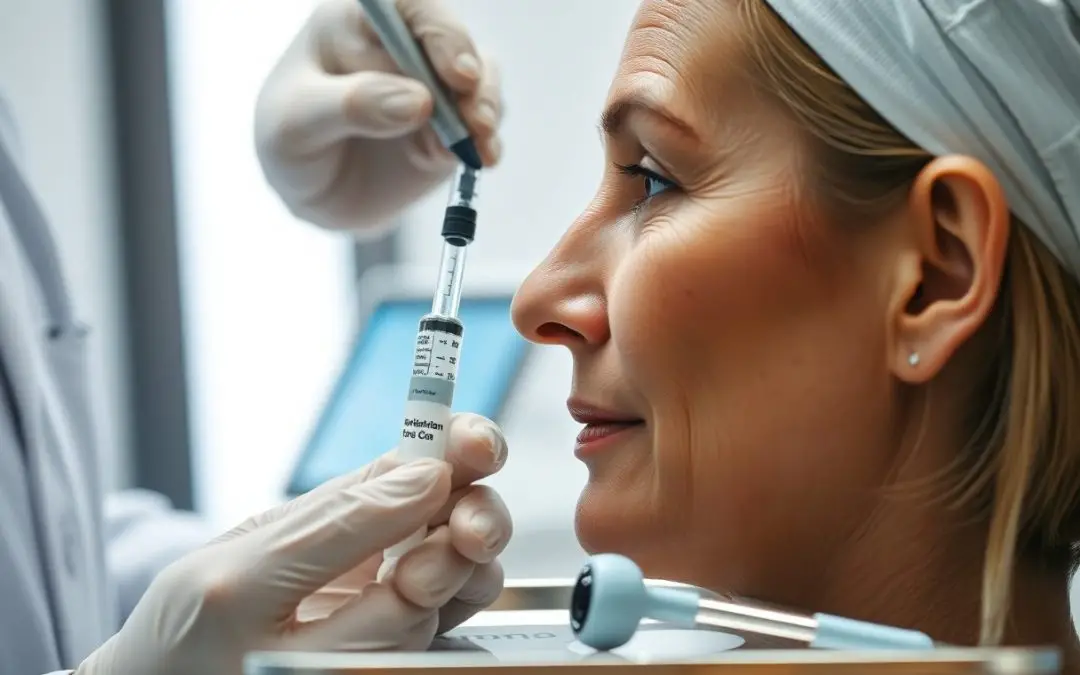
There’s a clear protocol you can follow to maximize Botox results: choose an experienced injector, schedule treatments strategically, avoid blood thinners before injections, maintain skin care, and attend follow-ups to refine doses for natural-looking, longer-lasting outcomes.
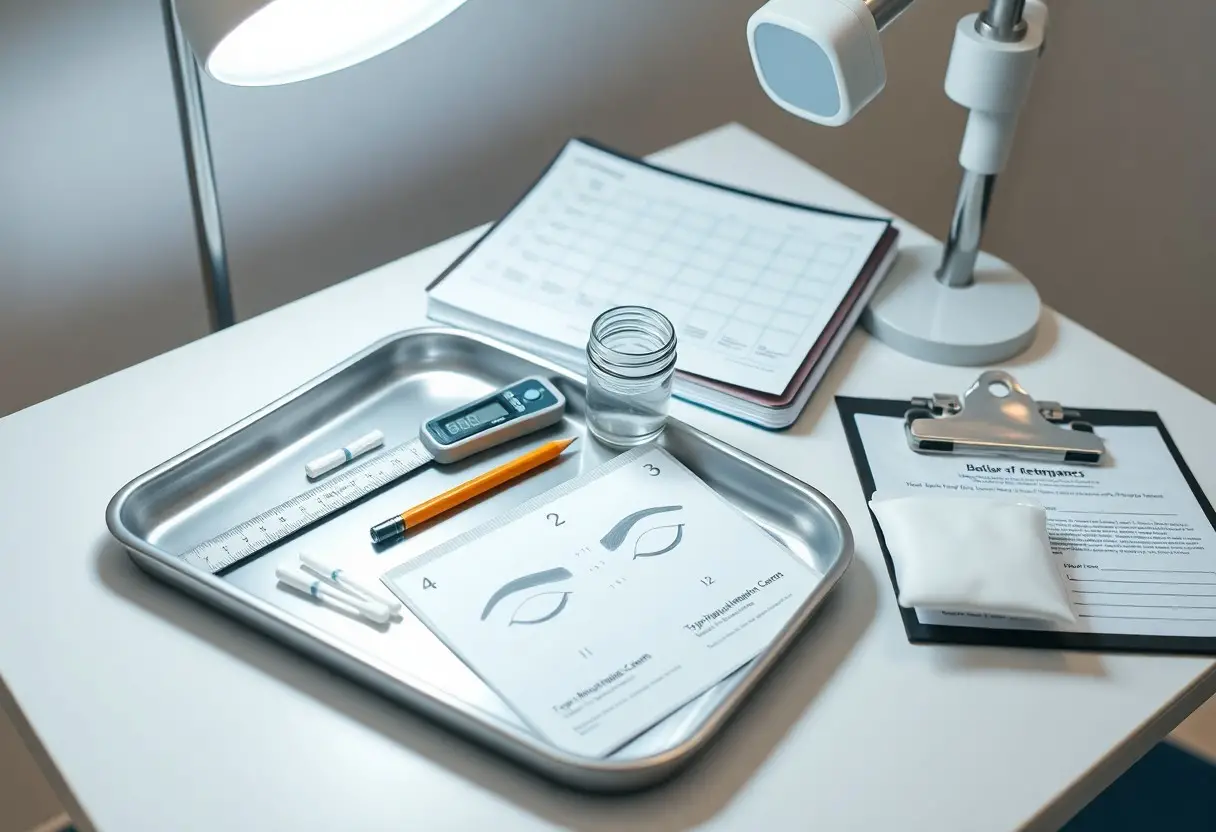
Pre-Treatment Optimization
You should stop alcohol and NSAIDs a week before your appointment, get adequate sleep, and discuss recent procedures with your clinician to optimize Botox results and reduce complications.
Identifying and Avoiding Blood-Thinning Agents
Discuss blood thinners, herbal supplements, and high-dose fish oil with your provider; they may advise pausing certain agents to lower bleeding risk before injections.
Minimizing the Risk of Bruising and Swelling
Avoid strenuous exercise and excessive heat for 24-48 hours after treatment, and keep your head elevated to help reduce swelling and bruising.
Apply cold compresses intermittently for the first 24 hours, skip blood-thinning activities like intense facial massage, and avoid NSAID use unless directed otherwise; contact your injector if bruising enlarges or swelling persists past the expected timeframe.
Selecting an Expert Practitioner
Choose a practitioner who is board-certified, experienced with Botox, and shows consistent, natural results; you should review before-and-after photos, patient testimonials, and clear safety protocols during consultation to ensure personalized, confident care.
Verifying Medical Credentials and Experience
Confirm the practitioner’s medical license, relevant board certifications, and specialized training in facial injections; you should ask how many Botox treatments they perform, request recent case examples, and check for any disciplinary history.
The Importance of Precision in Facial Anatomy
Understand how precise knowledge of muscle patterns, nerve locations, and skin thickness guides injection placement; you should expect careful mapping and conservative dosing to preserve expression while targeting specific concerns.
Precision means your injector evaluates dynamic movement, asymmetries, and tissue depth before choosing dose and needle depth; you should see marked plans, staged treatments, and clear follow-up to adjust units. This careful approach reduces risks like eyelid droop or uneven smiles and helps you achieve balanced, lasting outcomes that respect your facial proportions.
Essential Post-Injection Protocols
Post-injection, you should avoid heat, heavy exercise, and rubbing treated areas for 24 hours, follow your clinician’s cleansing and cooling instructions, and attend your scheduled follow-up to ensure optimal results.
Physical Activity and Exercise Restrictions
Limit vigorous workouts for 24-48 hours after treatment; you should choose gentle walks instead and avoid overheating that can disperse toxin or increase swelling.
Managing Facial Positioning and Pressure
Avoid sleeping face-down or applying pressure to treated areas for two nights; you should sleep propped and skip tight eyewear to prevent migration.
When protecting treated zones, you should avoid massages, facial treatments, and phone resting on your cheek for at least 48 hours; gentle expressions are fine, but firm contact can alter toxin placement and outcomes.
Lifestyle Factors for Result Longevity
Consistent sleep, hydration, and moderate activity extend Botox effects; avoid heavy alcohol and repetitive facial movements. Thou must schedule regular touch-ups and follow gentle skincare to preserve results.
Impact of UV Exposure and Sun Protection
Daily sunscreen with at least SPF 30, UPF clothing, and wide-brim hats reduce UV-driven collagen loss that shortens Botox benefits; when outdoors you should reapply every two hours and avoid peak sun.
Nutritional Support for Dermal Health
Balanced protein, vitamin C, omega-3s, and antioxidants support collagen synthesis and skin repair; you should limit high-sugar, processed foods that accelerate aging.
Include collagen-rich foods and vitamin C sources-citrus, berries, bell peppers-to aid fibroblast activity; add fatty fish or flaxseed for omega-3s to reduce inflammation. You may consider a marine or hydrolyzed collagen supplement, 2.5-15 g daily, paired with vitamin C to improve absorption. Maintain hydration, limit alcohol and high-glycemic carbs, and consult your clinician before new supplements.
Strategic Maintenance Cycles
Consistent scheduling of touch-ups helps you sustain smoother results and prevents deep wrinkle reformation by keeping muscles moderated and treatments predictable.
Establishing an Ideal Treatment Interval
Personalize your interval based on your metabolism, activity, and goals; many find 10-16 weeks works best, yet your clinician should tailor timing to preserve natural motion and prevent over- or undertreatment.
The Cumulative Benefits of Consistent Care
Regularly maintained treatments help you achieve softer lines and require lower doses over time, producing steadier skin texture and longer-lasting confidence.
Sustained adherence to a maintenance schedule lets you benefit from progressive muscle modulation, which can reduce dose needs and smooth dynamic creases. You’ll notice fewer deep lines, shorter recovery, and clearer treatment planning, allowing your clinician to fine-tune placement. Over months, consistent care enhances predictability and can lower long-term costs while preserving expressive yet relaxed features.

Complementary Aesthetic Enhancements
Pairing Botox with complementary treatments refines outcomes: you maintain muscle relaxation while addressing volume, texture, and skin laxity through tailored approaches, helping you achieve a more harmonious, long-lasting result when coordinated with your provider.
Integrating Targeted Topical Skincare
Targeted serums like retinoids, peptides, and antioxidants improve collagen and surface quality so you extend Botox’s smoothing effects by addressing texture and pigmentation alongside injections under clinician guidance.
Synergistic Non-Invasive Procedures
Combining microfocused ultrasound, radiofrequency, or gentle lasers with Botox can tighten skin and complement your relaxed muscle contours when you and your clinician align timing and intensity for optimal synergy.
Clinicians often recommend spacing these procedures to monitor response; you may schedule energy-based treatments one to two weeks before or after Botox, depending on device and healing, to reduce swelling and accurately assess improvements.

Conclusion
Summing up, you can maximize Botox results by choosing a qualified injector, following pre- and post-care, maintaining realistic expectations, scheduling touch-ups appropriately, and protecting skin with sunscreen and gentle skincare for longer-lasting, natural outcomes.