
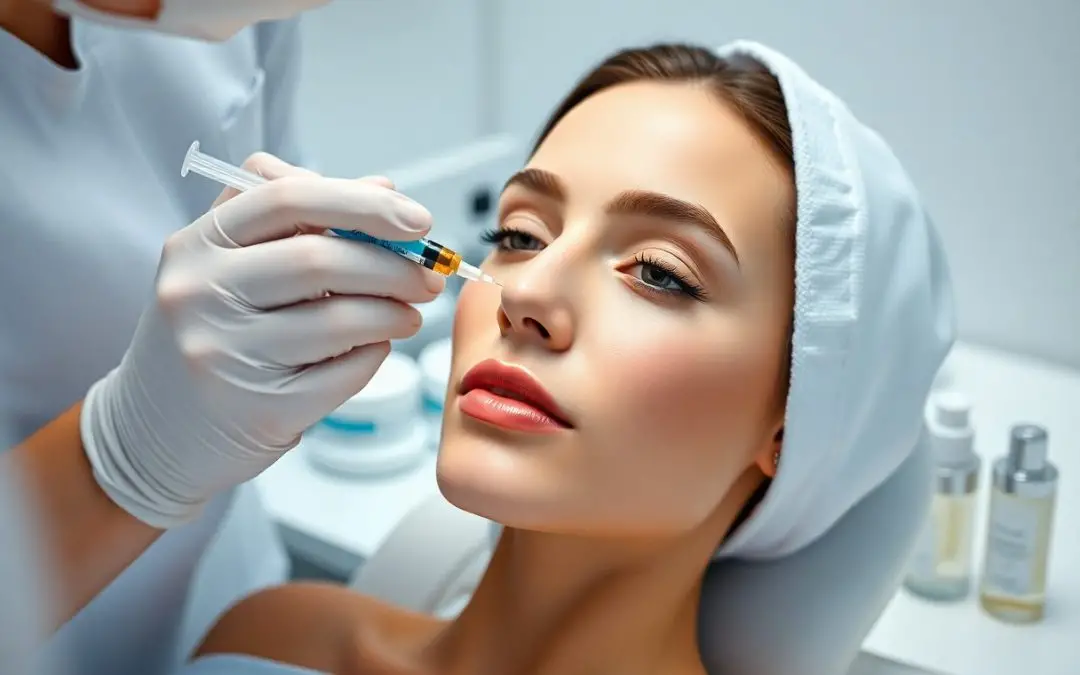
There’s a growing conversation around the benefits of Botox that extend far beyond mere wrinkle reduction. As you explore the application of this popular treatment, you’ll discover how Botox can play a significant role in enhancing your skin health. From addressing dynamic lines to offering therapeutic effects for various skin conditions, understanding these multifaceted benefits can guide you in making informed decisions about your skincare routine and overall aesthetic goals.
Beyond Aesthetic Appeal: The Mechanisms of Botox on Skin Health
Delving into the world of Botox reveals that its benefits extend far beyond mere wrinkle reduction. This neurotoxin alters skin physiology, influencing factors such as muscle tone, blood flow, and collagen production. By targeting the neuromuscular junction, Botox not only reduces the activity of specific muscles but also initiates responses within the skin that contribute to a healthier, more youthful appearance. Thus, the influence of Botox on skin health is multifaceted, producing both aesthetic and physiological improvements you may find surprising.
Neuromodulation and Its Effects on Skin Physiology
Neuromodulation via Botox can lead to significant changes in skin physiology. By temporarily blocking nerve signals, Botox reduces muscle contractions, which translates into fewer fine lines and wrinkles. The resultant relaxation of facial muscles also encourages better circulation and can stimulate cell turnover, leaving your skin looking vibrant. The improved blood flow nourishes skin cells, promoting a healthier and more radiant appearance.
Botox’s Role in Enhancing Skin Elasticity and Hydration
Research indicates that Botox treatments can enhance skin elasticity and hydration, offering more than just superficial results. When injected into specific areas, Botox causes a short-term decrease in muscle tension, leading to an uptick in collagen production in surrounding tissues. Additionally, by decreasing excessive sweating, Botox helps maintain moisture levels, enhancing hydration. This dual action contributes to a plumper, more youthful skin texture, improving not only appearance but overall skin health.
In clinical studies, patients receiving Botox injections reported not only smoother skin but also improved hydration levels and elasticity over time. For instance, after undergoing multiple sessions, some individuals noted a 30% increase in skin elasticity, attributed to the stimulated collagen synthesis around injected sites. This cumulative effect means that beyond the immediate visual benefits, you can enjoy long-term improvements in your skin’s health attributes, such as firmness and moisture retention. Ultimately, incorporating Botox into your skincare regimen can serve as a strategic tool to revitalize and rejuvenate your skin both aesthetically and physiologically.
Medical Applications and Therapeutic Benefits
Botox is not solely reserved for cosmetic purposes; its medical applications have proven invaluable in improving your overall quality of life. Used to treat conditions like chronic migraines, excessive sweating, and muscle stiffness, Botox offers therapeutic benefits that extend well beyond the beauty industry. It helps alleviate symptoms and provides effective relief, making it a multifaceted tool in the hands of healthcare professionals, with the potential to transform the lives of many patients struggling with debilitating conditions.
Treating Chronic Conditions: Migraines to Hyperhidrosis
Your struggles with chronic migraines can be significantly alleviated with Botox injections. Studies show that patients receiving Botox treatment report a decrease in the frequency of migraines, with some experiencing up to 50% reduction. Additionally, if you suffer from hyperhidrosis, the excessive sweating condition, Botox can effectively block the nerves responsible for sweat production, allowing you to regain control of your body’s functions.
The Psychological Impact: Boosting Self-Confidence and Mental Health
Addressing your skin concerns can do wonders for your mental well-being and self-esteem. Botox treatments enable you to embrace your appearance, allowing you to feel more confident in your skin. Many individuals report a boost in self-esteem after their treatment, leading to improved social interactions and a more positive outlook on life.
When you feel comfortable and confident in your appearance, it creates a ripple effect in your mental health. The connection between physical appearance and psychological well-being is well-documented, with studies indicating that people who perceive themselves positively often experience lower levels of anxiety and depression. Engaging in activities that enhance your appearance, such as Botox, can empower you to embrace social situations, improve relationships, and foster a greater sense of overall happiness. Ultimately, investing in your skin health isn’t just about aesthetics; it’s about nurturing your mental wellness, forging a happier, more fulfilled you.
The Double-Edged Sword: Risks and Considerations
Every procedure comes with its set of risks, and Botox is no exception. While the treatment may provide significant benefits, potential side effects such as bruising, swelling, or temporary weakness in adjacent muscles are important to consider. Additionally, premature or excessive use can lead to a phenomenon known as “over-treatment,” which can distort facial features. Being informed about these risks can help you make a balanced decision regarding your skin health journey.
Potential Side Effects and Long-Term Implications
Some side effects of Botox can be fleeting, like minor injection site reactions, while others may have longer-lasting consequences. For example, continuous use may lead to muscle atrophy or altered facial expressions, which can become apparent over time. Some patients have reported drooping eyelids or uneven facial features after repeated treatments, underscoring the importance of choosing a qualified practitioner and maintaining realistic expectations.
Evaluating the Cost-Benefit Ratio for Routine Use
Considering routine Botox use involves weighing the financial costs against the aesthetic benefits. Each session can range from $300 to $600, depending on the area treated and the provider. Regular treatments, often every three to six months, can add up significantly over the years. You may want to assess how these expenses align with your overall skincare budget, as innovative topical treatments and lifestyle changes may yield comparable results without the commitment and cost that comes with repeated injections.
Ultimately, evaluating the cost-benefit ratio of routine Botox treatments requires a personal assessment of your aesthetic goals and budget considerations. If you prioritize a smoother appearance and are willing to invest long-term, Botox might be worth it. However, if you are looking for more sustainable or less invasive skin health solutions, exploring alternatives such as high-quality serums, sun protection, and a well-rounded skincare routine could offer impressive results over time, often with fewer risks and lower costs. Taking a holistic approach could enhance your overall skin health while potentially minimizing your dependency on injections.
Expert Insights: Dermatologists Share Their Perspectives
Dermatologists are increasingly acknowledging Botox’s multifaceted role in skin health, extending beyond wrinkle reduction. Many experts now advocate for its preventative use, emphasizing that early intervention can significantly delay the onset of aging signs and maintain skin integrity. Insights from professionals indicate that combining Botox with other treatments, such as hyaluronic acid fillers or laser therapy, can optimize results, enhance skin texture, and promote overall facial rejuvenation.
The Evolving Landscape of Botox in Skin Health
The discussion around Botox has evolved dramatically in recent years, with dermatologists now recognizing its potential in skin health maintenance. You might be surprised to learn that Botox can help prevent moisture loss and improve skin texture by impacting oil gland activity. This understanding has prompted a shift in how and when patients utilize Botox, moving beyond traditional age-related treatments to more proactive approaches.
Future Innovations: What’s Next in Non-Surgical Treatments
Innovation in non-surgical treatments signals new possibilities for skin rejuvenation. Emerging technologies, such as micro-channeling combined with Botox, may offer enhanced absorption of skincare products and treatments, leading to even greater results. Additionally, developments in neuromodulator techniques aim to improve precision and minimize discomfort during administration.
As research progresses, you can expect more tailored Botox formulations designed to meet specific skin concerns, such as hyperpigmentation or redness, while preserving the skin’s natural texture. Collaborative treatments combining Botox with advanced skin care regimens are likely to become more common, effectively merging aesthetics with skin health management. Advances in AI technology could also streamline personalized treatment plans, making non-surgical options more accessible and customized for individual needs. The future of skin health and rejuvenation lies in this holistic, integrated approach to care.
Practical Guidance for Safe and Effective Use
Understanding how to safely utilize Botox enhances both your experience and the outcomes you achieve. Selecting the right practitioner, adhering to aftercare recommendations, and knowing what to expect are key components to optimize your Botox experience. Focus on your desired results while prioritizing safety during your treatment journey.
Choosing a Qualified Practitioner: Red Flags to Watch For
Look for licensed professionals with a strong reputation in the community. Red flags include unreasonably low prices, lack of certifications, or practitioners who rush the consultation process. Always trust your instincts if something feels off; a well-qualified injector will take time to discuss your goals and answer any concerns you have about the procedure.
Aftercare Tips: Maximizing Your Results and Safety
Proper aftercare is imperative for ensuring optimal results and minimizing side effects. Avoid strenuous exercise, sun exposure, and touching the injected areas for at least 24 hours. Keeping your head elevated and staying hydrated can also assist in the healing process. Following your injector’s specific aftercare instructions will yield the best possible outcome.
- Refrain from lying down for at least four hours post-treatment.
- Avoid alcohol consumption for 24 hours.
- Limit activities that increase body temperature, like hot baths or saunas.
- Perceiving the importance of these guidelines can lead to additional benefits.
Aftercare significantly impacts the longevity of your results. Staying away from intense physical activities or heat for 24 hours post-treatment protects the injected area from swelling or migration. Follow these aftercare specifics: verify your injectables, maintain regular follow-up appointments, and communicate openly with your practitioner. Each mouthful and movement during recovery can influence your healing, thus perceiving their importance is vital for achieving your desired look.
- Keep your skin clean and moisturized to aid recovery.
- Schedule touch-up sessions as recommended by your injector.
- Observe how the treatment settles over the next week.
- Perceiving these aftercare steps ensures a smoother recovery process.
Summing up
So, as you consider Botox for your skin health, keep in mind that its benefits extend beyond merely smoothing out wrinkles. You can achieve a refreshed appearance, enhance your skin’s overall texture, and even target specific skin conditions. By understanding these added advantages, you can make an informed decision that aligns with your skincare goals, ultimately resulting in a healthier, more radiant complexion.