

With the growing popularity of Botox as a cosmetic treatment, you may wonder how it interacts with your unique skin type. It’s crucial to understand that while Botox can be effective for many, its results may vary based on individual characteristics such as skin texture, elasticity, and the specific issues you’re addressing. In this post, we will explore how different skin types respond to Botox and whether it’s right for you, providing you with the information needed to make an informed decision about your skincare routine.
Understanding Botox
The world of cosmetic treatments can be overwhelming, and Botox is one of the most recognized options available. This non-surgical procedure, known for its ability to reduce the appearance of fine lines and wrinkles, utilizes a purified form of botulinum toxin. As you consider Botox, it’s important to understand how it interacts with your skin and what results you can expect, based on your specific skin type.
What is Botox?
After being FDA-approved in the late 1980s for medical purposes, Botox has gained immense popularity as a cosmetic treatment. It’s a neurotoxin derived from the bacterium Clostridium botulinum, which temporarily paralyzes muscles when injected. This action helps smooth out dynamic wrinkles caused by facial expressions, providing you with a youthful appearance.
How Does Botox Work?
The process of Botox involves precise injections into targeted muscles, leading them to relax. This results in a smoother skin surface that appears free of wrinkles. As you age, repeated facial movements create lines; Botox inhibits the release of acetylcholine, the neurotransmitter responsible for muscle contractions, thus preventing these lines from forming or deepening.
Does Botox affect everyone the same way? While it is generally safe for most people, your skin type and condition can influence the results. Factors such as skin elasticity, the depth of wrinkles, and your unique facial anatomy will play a role in how well the treatment works for you. To achieve optimal results, it’s important to consult with a qualified professional who will assess your individual needs before proceeding with the treatment.
1. Botox is effective for various skin types.
2. Results may vary based on individual skin conditions.
3. Consultation with a dermatologist is crucial before treatment.
4. Younger skin often responds better to Botox.
5. Individuals with certain medical conditions may not qualify.
6. Maintenance treatments are necessary for sustained results.
Different Skin Types
If you are considering Botox, it’s vital to understand how your skin type may affect your results. Each skin type responds differently to treatments, and knowing yours can help you make informed decisions. Here are the main skin types to consider:
| Skin Type | Description |
| Oily | Skin appears shiny and may have enlarged pores. |
| Dry | Skin feels tight and may exhibit flakiness. |
| Combination | Mix of oily and dry areas on the face. |
| Sensitive | Skin may react easily to products or environments. |
| Normal | Balanced skin with few issues. |
Assume that understanding your skin type is the first step toward effective Botox treatment.
Oily Skin
Above all, having oily skin means your skin produces excess sebum, which can lead to larger pores and acne. Botox can be beneficial for controlling oil production and addressing concerns like wrinkles and fine lines. However, you need to consult your dermatologist to ensure that Botox is appropriate for your specific situation.
Dry Skin
With dry skin, you often experience tightness and flaking, which may lead you to believe that Botox is unsuitable. However, when administered correctly, Botox can hydrate and smooth wrinkles without exacerbating dryness. Many patients with dry skin find that the treatment offers them a refreshed appearance, contouring their face while minimizing signs of aging.
Skin that lacks moisture can sometimes be more sensitive to injectables. It is vital to ensure your skin is adequately hydrated before and after your Botox treatment, as this can help the skin maintain its integrity and achieve optimal results. An experienced practitioner can assess your skin’s condition and recommend the best approach to care for it post-treatment.
Botox Efficacy by Skin Type
Despite its widespread popularity, Botox may not provide the same results for everyone, as the effectiveness can vary by skin type. Your skin’s texture, oiliness, and hydration levels can influence how the treatment works and the outcomes you might expect. Understanding your skin type is an important step in determining whether Botox is the right option for you.
Botox for Oily Skin
Across different skin types, oily skin often shows promising results with Botox treatments. The natural oil production can help the injected areas stay hydrated, potentially enhancing the overall outcomes. You may find that your skin retains more elasticity, which can lead to visible improvements in the treated areas.
Botox for Dry Skin
Around those with dry skin, Botox can also be effective, although you might experience unique considerations. Treatment may help smooth fine lines and wrinkles, but it’s imperative to ensure your skin is well-prepared to maximize results.
To enhance the effectiveness of Botox on dry skin, you should prioritize proper hydration before and after your treatment. Incorporating moisturizers or hydrating serums into your skincare routine will help create an ideal environment for the Botox to work. Additionally, discuss any concerns with your provider, as they can tailor the treatment to better suit your skin’s needs, ensuring you achieve the best possible results.
Considerations Before Getting Botox
To ensure that Botox is the right choice for you, it’s necessary to consider your unique circumstances and health factors. Before proceeding with treatment, you should evaluate your skin type, medical history, and any potential risk factors. Understanding these elements can help you make an informed decision and achieve the best results from Botox.
Allergies and Sensitivities
On addressing potential allergies and sensitivities is vital before you undergo Botox treatment. If you have a history of allergic reactions to any injectable treatments or specific components in the Botox formula, discussing this with your practitioner is necessary. They can help you determine if it’s safe for you to proceed or if alternative options might be better suited for your skin.
Consultation with Professionals
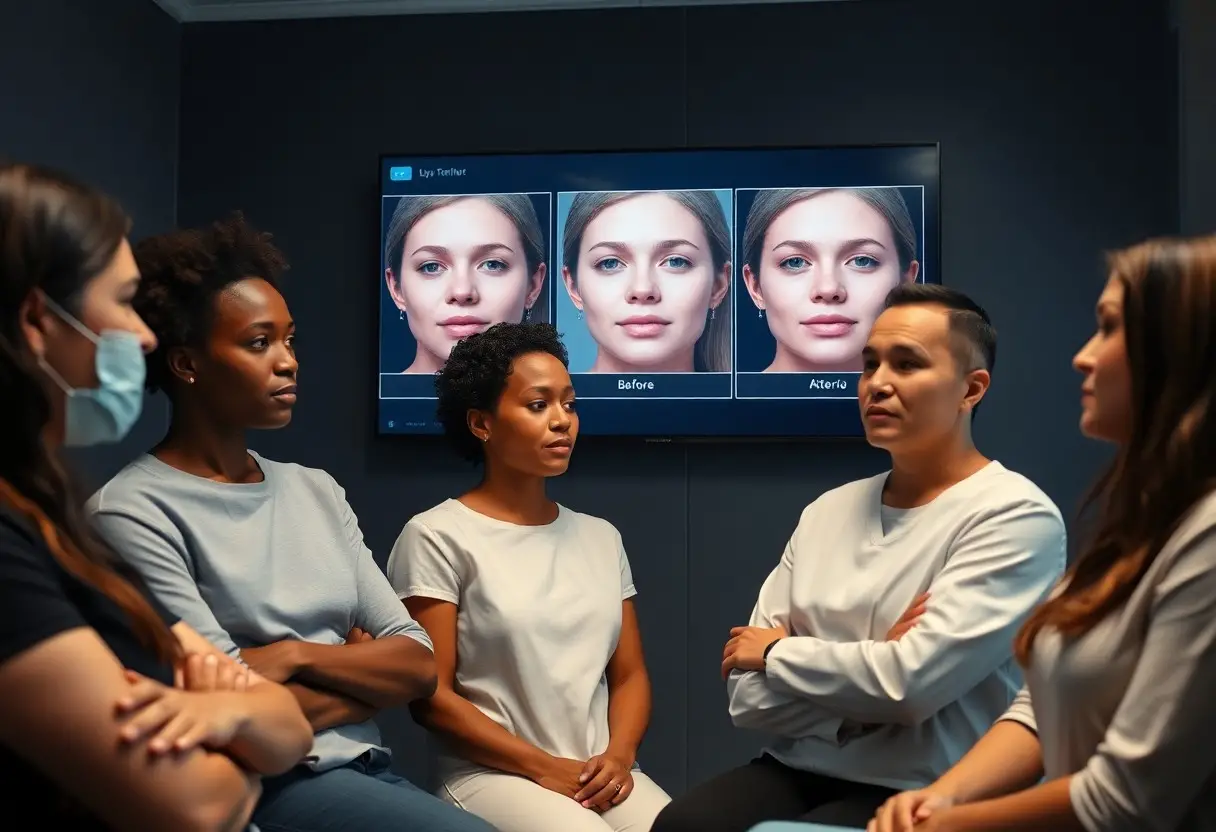
Botox consultations are an important step in the process. Botox specialists will assess your skin, discuss your goals, and evaluate your medical history to create a tailored approach to your treatment. This ensures that the injection technique and dosage are appropriate for your needs, minimizing risks and enhancing your results.
Even during the consultation, take the opportunity to voice any concerns or preferences you may have. A knowledgeable professional will explain the procedure, address your questions, and provide insights on post-treatment care. This dialogue fosters a collaborative relationship, ensuring that you leave with realistic expectations and a clear understanding of what to anticipate from your Botox experience.
Potential Side Effects
Your decision to get Botox should be informed by understanding the potential side effects. While many people experience positive results, side effects can occur, impacting your overall experience. It’s important to weigh these risks against the benefits to determine if this treatment aligns with your skincare goals.
Common Side Effects
At times, you may experience mild side effects after your Botox treatment. Common issues include redness, swelling, or bruising at the injection site. Such reactions typically resolve within a few hours to days and are generally not serious. However, consulting your provider is a good idea if you have any concerns.
Rare Complications
Along with common side effects, there are rare complications associated with Botox that you should be aware of. Although they are uncommon, serious reactions can occur, such as allergic reactions, difficulty breathing, or drooping eyelids, which may require immediate medical attention.
Effects of rare complications can be distressing, as they may also include weakness in nearby muscles or vision problems. If you experience any of these symptoms after the procedure, it’s important to contact a healthcare professional immediately. Understanding these potential risks helps you make a more informed decision about whether Botox is right for you.
Alternatives to Botox
Unlike Botox, which temporarily paralyzes muscles to reduce wrinkles, various alternatives can help enhance your skin’s appearance without injections. Options such as dermal fillers, laser treatments, and chemical peels offer different methods of achieving smoother skin. These alternatives can be tailored specifically to your skin type and desired results, allowing for a more personalized approach to skincare. It’s imperative to consult with a qualified professional to determine which alternative treatment suits you best.
Fillers and Other Treatments
An increasing number of people are exploring dermal fillers and other non-surgical treatments for facial rejuvenation. Fillers, such as hyaluronic acid, can restore volume, smooth lines, and enhance facial contours, giving you a more youthful appearance. Additionally, treatments like microneedling and laser therapy can foster collagen production and improve skin texture. These options may serve as appealing alternatives to Botox, offering various benefits based on your skin’s needs and desired outcome.
Natural Remedies
Treatments using natural ingredients can be effective alternatives to Botox for those seeking a gentler approach. Home remedies, such as aloe vera, honey, and imperative oils, can help hydrate and nourish your skin, improving its overall health and reducing the appearance of fine lines. Incorporating lifestyle changes, like regular exercise, a balanced diet, and proper hydration, can further enhance your skin’s vibrancy and elasticity. While these remedies may not produce immediate results, they can contribute to long-term skin health.
Fillers are often seen as a quick solution for wrinkles and volume loss, but many are turning to natural remedies to support their skin’s health holistically. Ingredients like coconut oil and vitamin E are known for their moisturizing properties, while antioxidants from fruits and vegetables can protect against environmental damage. By incorporating these natural approaches into your daily routine, you may find that not only does your skin look better, but it also feels healthier and rejuvenated over time.
Summing up
The effectiveness of Botox can vary based on your skin type and individual characteristics. While it offers significant benefits for smoothing fine lines and wrinkles, it’s vital to consult with a qualified professional who can tailor the treatment to your unique needs. Factors such as skin elasticity, facial structure, and overall health play an important role in determining the right approach for you. Ultimately, informed choices lead to optimal results, allowing you to achieve the youthful appearance you desire.