

Most individuals seek ways to enhance their appearance and boost their confidence, and Botox has emerged as a popular option to achieve these goals. By temporarily reducing the appearance of wrinkles, Botox can serve as a powerful tool in your personal care arsenal, enabling you to take control of how you present yourself to the world. This not only enhances your physical appearance but may also revitalize your self-esteem and self-efficacy, encouraging you to invest more time and effort into your overall self-care routine.
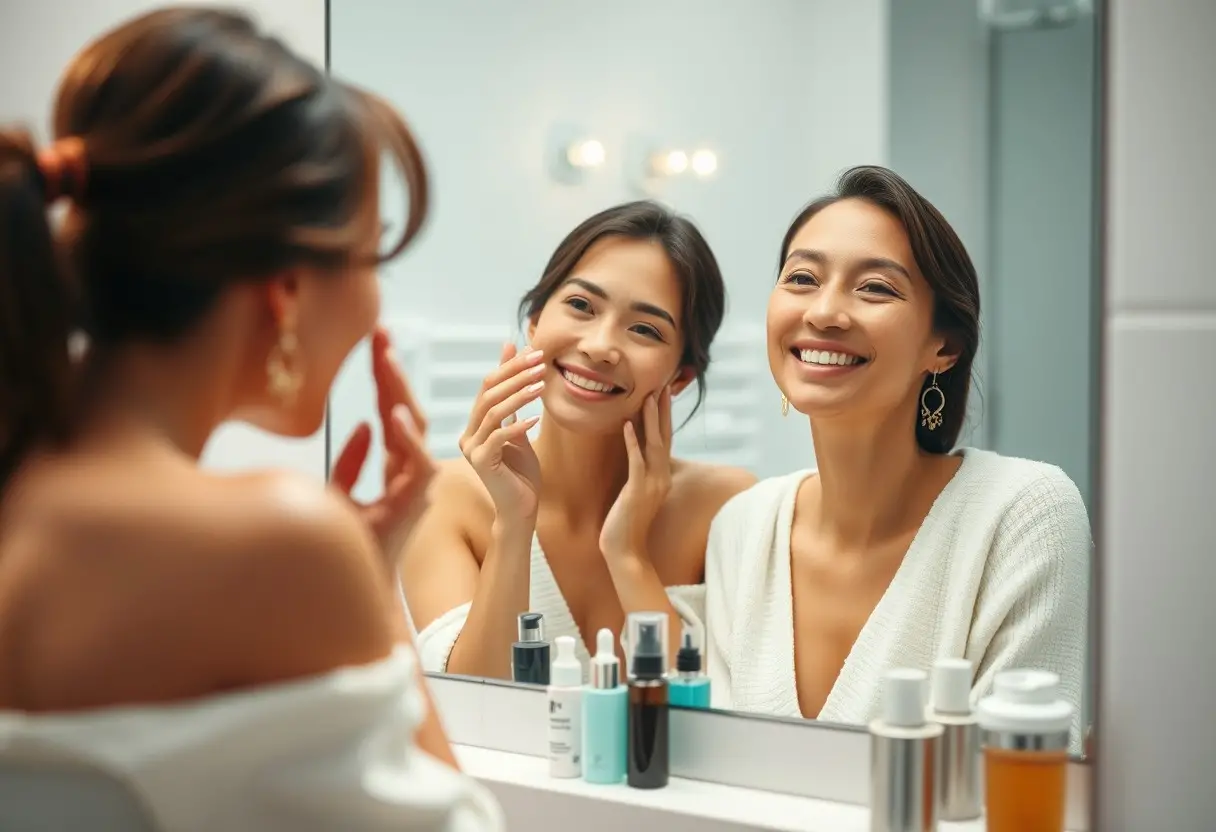
Understanding Self-Efficacy
To foster positive change in your personal care routine, it’s necessary to understand self-efficacy. This psychological concept refers to your belief in your ability to execute tasks and achieve goals, significantly influencing your motivation and actions. When you possess a strong sense of self-efficacy, you are more likely to pursue personal care practices that enhance your overall well-being.
Definition and Importance
Definition: Self-efficacy is your confidence in your ability to succeed in specific situations or accomplish a task. It plays a significant role in how you approach challenges, set goals, and persevere through obstacles. Understanding its importance can help you improve your personal care practices and overall self-esteem.
Factors Influencing Self-Efficacy
An array of factors contributes to your self-efficacy, shaping how you view your capabilities. Key influences include:
- Your past accomplishments
- Observations of others’ successes
- Social support and encouragement
- Your emotional state during tasks
The interplay of these factors can significantly affect your self-belief and motivation to engage in personal care practices.
With a deeper understanding of these influencing factors, you may discover ways to enhance your self-efficacy. By acknowledging your past experiences, you can build on your successes. Observing role models can inspire you, while seeking support from friends and family can bolster your confidence. Lastly, managing your emotional responses during challenging tasks is crucial. The more effectively you navigate these elements, the stronger your commitment to self-care becomes.
1. Botox boosts confidence through enhanced physical appearance.
2. Improved aesthetics may encourage personal care routines.
3. Increased self-efficacy leads to better overall mental health.
4. Positive results foster a proactive approach to well-being.
5. Minimizing visible signs of aging reduces self-consciousness.
6. Empowered individuals may pursue additional self-care treatments.
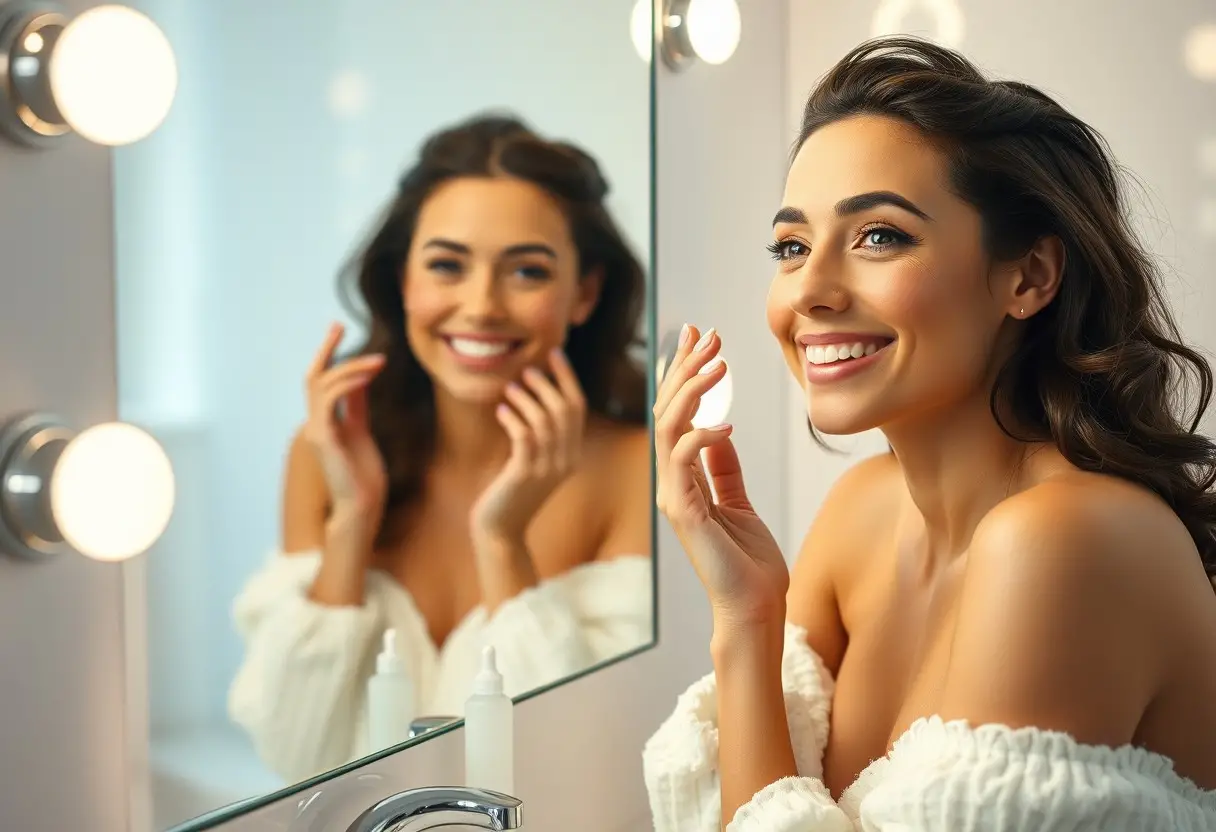
The Role of Personal Care in Self-Efficacy
Clearly, personal care plays a crucial role in enhancing your self-efficacy, as it empowers you to take control of your appearance and well-being. Engaging in regular self-care routines instills a sense of accomplishment, boosting your confidence in managing not only your looks but also your overall health. By prioritizing personal care, you cultivate a positive self-image that reinforces your belief in your capabilities, ultimately facilitating a cycle of self-improvement and empowerment.
Impact of Personal Care on Well-Being
An vital aspect of personal care is its profound impact on your overall well-being. Regular attention to your grooming and hygiene can lead to increased feelings of self-worth and satisfaction. When you take the time to care for yourself, you send a message to yourself that your needs and appearance are worth the investment, which naturally fosters a more positive mindset and lifestyle.
Psychological Effects of Appearance
An often overlooked aspect of self-care is the psychological effects that your appearance can have on your mindset. Your physical appearance can significantly influence your self-esteem and confidence levels. When you take careful steps to enhance your looks, such as engaging in a skincare routine, you may feel more assured and capable in social situations. It creates a positive feedback loop that encourages you to engage more confidently in various aspects of your life.
Effects of your appearance on your psychological state are profound and can lead to significant changes in how you interact with the world. When you feel good about how you look, you’re more likely to express yourself, build connections, and take on challenges with a renewed sense of vigor. This heightened self-assurance can foster better relationships, enhance your professional opportunities, and ultimately contribute to your overall mental health, reinforcing the importance of prioritizing personal care.
Overview of Botox
Many people are turning to Botox as a powerful tool for both aesthetic enhancement and mental well-being. This neurotoxin, known for its ability to smooth wrinkles and fine lines, can significantly impact your self-image. Research highlights the connection between appearance and mental health, as noted in The Psychology of Beauty: How Aesthetic Treatments …. Understanding this relationship may empower you to take charge of your personal care journey.
What is Botox?
For those unfamiliar, Botox is a purified form of botulinum toxin, a substance that temporarily paralyzes muscle activity. This mechanism reduces the appearance of wrinkles by blocking nerve signals to the injected muscles, allowing the skin to appear smoother and more youthful. As a widely recognized cosmetic treatment, Botox has gained popularity for its effectiveness and minimal downtime.
Common Uses in Cosmetic Procedures
Cosmetic applications of Botox extend beyond wrinkle reduction, making it a versatile option for enhancing your appearance. Primarily, you may benefit from Botox treatments for crow’s feet, forehead lines, and frown lines, but it is also effective for other concerns such as neck bands and excessive sweating. As more people recognize the psychological benefits of aesthetic improvements, the demand for Botox has surged.
Understanding the common uses of Botox in cosmetic procedures can help you make informed decisions about your beauty regimen. Beyond simply addressing wrinkles, Botox can contour the jawline, reduce the appearance of a gummy smile, and even improve the look of neck bands. By broadening your knowledge of how Botox can enhance your personal care, you may feel more empowered to take action towards your aesthetic goals and boost your self-efficacy.
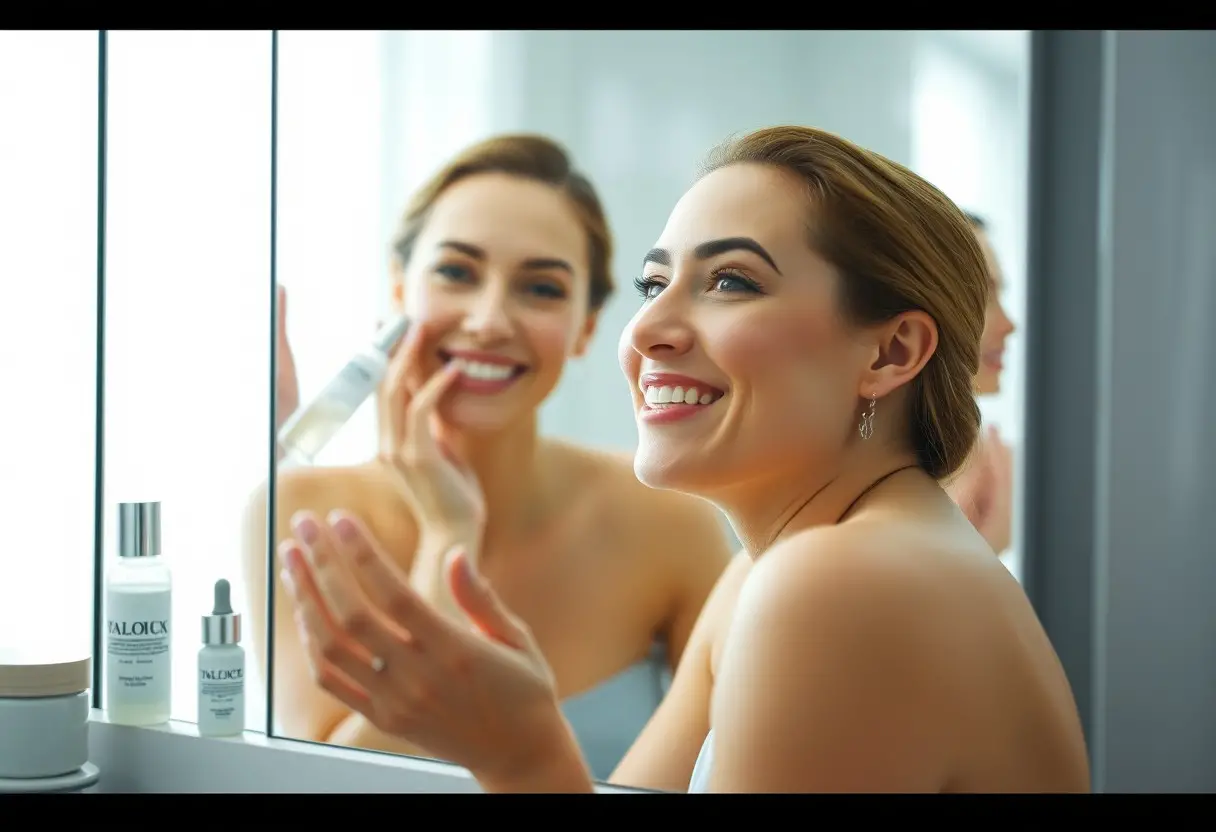
Botox and Self-Efficacy
Once again, Botox proves to be more than just a cosmetic enhancement; it can reignite your sense of self-efficacy. Many individuals discover that the boost in confidence from a smoother appearance allows them to engage more fully in their personal care routines. By addressing your concerns about aging, Botox can enable you to take charge of your self-image and well-being. For deeper insights, read The Psychological Impact of Botox: Confidence, Self-….
How Botox Enhances Self-Perception
With Botox, the subtle changes to your appearance can lead to significant improvements in how you perceive yourself. People often report not only feeling more attractive but also more competent and capable in various aspects of their lives. This newfound self-awareness can empower you to take greater control over your personal care decisions.
The Psychological Benefits of Botox
Botox serves as a catalyst for psychological well-being by enhancing your self-image. This can lead to increased engagement in social situations and a more positive outlook on life.
This positive shift in self-perception often translates to greater self-efficacy in personal care and daily interactions. When you feel good about how you look, you are likely to invest more in self-improvement and personal grooming. The psychological benefits of Botox not only impact your external self but also reinforce a sense of control and empowerment, promoting a healthier relationship with your overall self-care strategy.
Social Perceptions and Validation
All individuals seek validation through societal perceptions, especially regarding personal care and beauty. As you navigate these perceptions, understanding how they influence your self-efficacy becomes imperative. The interplay of societal norms surrounding beauty and self-image can empower or inhibit you, depending on your awareness and response to these influences.
Societal Standards of Beauty
On a daily basis, you are inundated with images and ideals that shape societal standards of beauty. These norms dictate what is considered attractive, often pushing individuals to conform to unrealistic expectations. Acknowledging these standards can help you critically assess their impact on your self-esteem and personal care decisions.
The Role of Social Media in Self-Image
Social media plays a pivotal role in framing your self-image as it allows for constant interaction with curated representations of beauty. This digital landscape often amplifies societal standards, influencing how you perceive yourself in comparison to others.
Social platforms can create a double-edged sword effect; while they provide a space for self-expression and community, they may also lead to detrimental comparisons. As you scroll through endless images of seemingly flawless individuals, you might find yourself questioning your beauty and worth. It’s crucial to remember that many of these portrayals are filtered or edited versions of reality. Cultivating your self-image involves recognizing these distortions and focusing on your unique beauty, empowering you to take control of your personal care journey.
Limitations and Considerations
After exploring the potential benefits of Botox in enhancing self-efficacy in personal care, it is crucial to acknowledge its limitations and the considerations surrounding its use. While Botox can improve physical appearance temporarily, it does not address the underlying issues of self-esteem or self-worth. Additionally, accessibility to Botox can vary widely, leaving some individuals unable to experience its potential benefits. Understanding these factors enables you to make informed decisions while prioritizing your overall well-being.
Potential Risks of Botox
Botox injections carry certain risks, including bruising, swelling, and in rare cases, allergic reactions. You should be aware that misadministration can lead to undesirable aesthetic outcomes, such as an unnatural expression or asymmetry. Always consult a qualified healthcare provider to discuss your concerns and minimize these risks before undergoing treatment.
Ethical Considerations in Personal Care
The rise of cosmetic procedures like Botox raises important ethical questions about self-image and societal beauty standards. You may feel pressured to conform to specific ideals that can influence your decisions regarding personal care. It is important to critically evaluate whether your motivations align with enhancing your self-efficacy or if they stem from external expectations.
To navigate the ethical landscape of personal care, consider the motivations behind your choices. Are you opting for Botox to boost your confidence, or are you succumbing to societal pressures? Reflecting on your values and the standards you wish to uphold is vital. Engaging in this introspection can ultimately empower you to make decisions that align more closely with your authentic self, promoting genuine self-efficacy over external validation.
Summing up
Taking this into account, Botox can play a significant role in facilitating a revival of self-efficacy in personal care by empowering you to take control of your appearance and boost your confidence. By addressing aesthetic concerns effectively, Botox helps you feel more positive about yourself, leading to improved mental well-being and a stronger sense of agency in your personal care routine. As you invest in your appearance, you may find that the effects of Botox extend beyond physical changes, encouraging you to prioritize self-care and embrace a proactive approach to your health and beauty.