
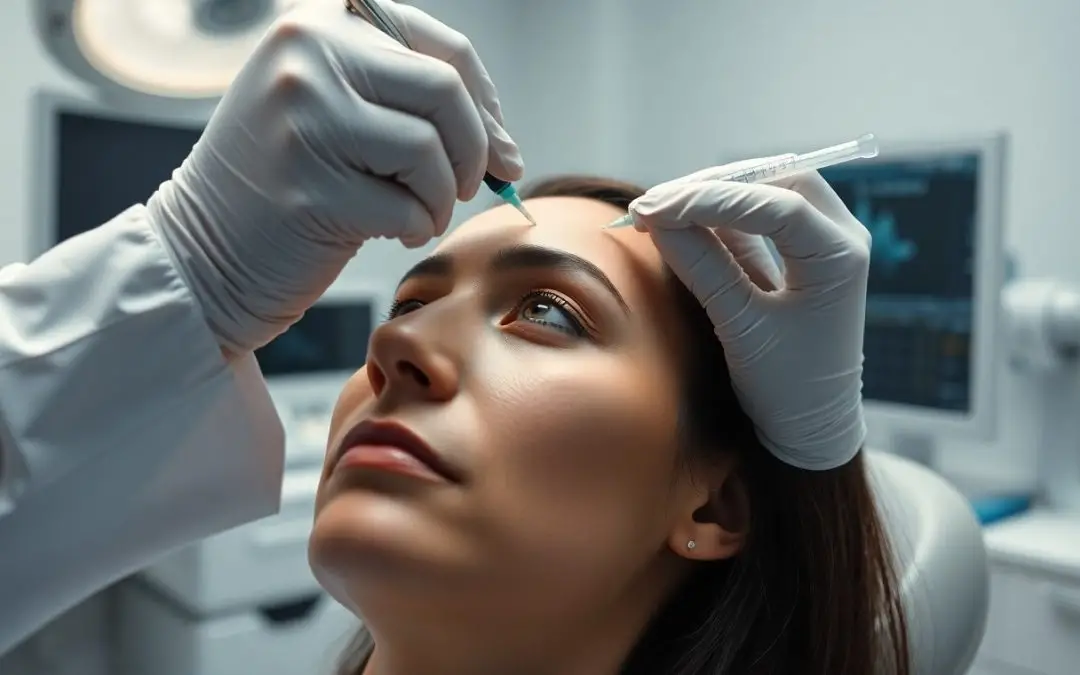
Migraines can be debilitating and often resistant to traditional treatments, leaving you searching for effective solutions. Botox, widely known for its cosmetic uses, has shown promise as a preventative treatment for chronic migraines. This blog post will guide you through how Botox works for migraine relief, the mechanisms behind its effectiveness, and who might benefit from this innovative approach. By understanding these aspects, you can make informed decisions about your migraine management options.
Understanding Migraines
Before exploring treatment options like Botox, it’s vital to understand what migraines are and how they impact you. Migraines are more than just severe headaches; they are highly debilitating neurological disorders that can disrupt your daily life. Many individuals experience a range of symptoms, such as nausea, sensitivity to light or sound, and aura, which can precede or accompany the actual headache.
What Are Migraines?
At their core, migraines are intense headaches often characterized by throbbing pain on one side of the head. This condition is usually accompanied by other symptoms such as nausea, vomiting, and extreme sensitivity to light or sound. The exact cause of migraines remains unclear, but it is believed to involve genetic, environmental, and neurological factors.
Types of Migraines
Before considering how Botox can help, it’s beneficial to know the different types of migraines you may experience. Understanding these can aid in identifying your specific triggers and tailoring your treatment plan. The primary types include:
- Migraine without aura
- Migration with aura
- Chronic migraine
- Hemiplegic migraine
- Basilar-type migraine
This classification can help inform the most effective treatment strategies for alleviating your symptoms.
| Type of Migraine | Description |
|---|---|
| Without Aura | Common migraine without neurological symptoms. |
| With Aura | Includes visual disturbances or other neurological symptoms before the headache. |
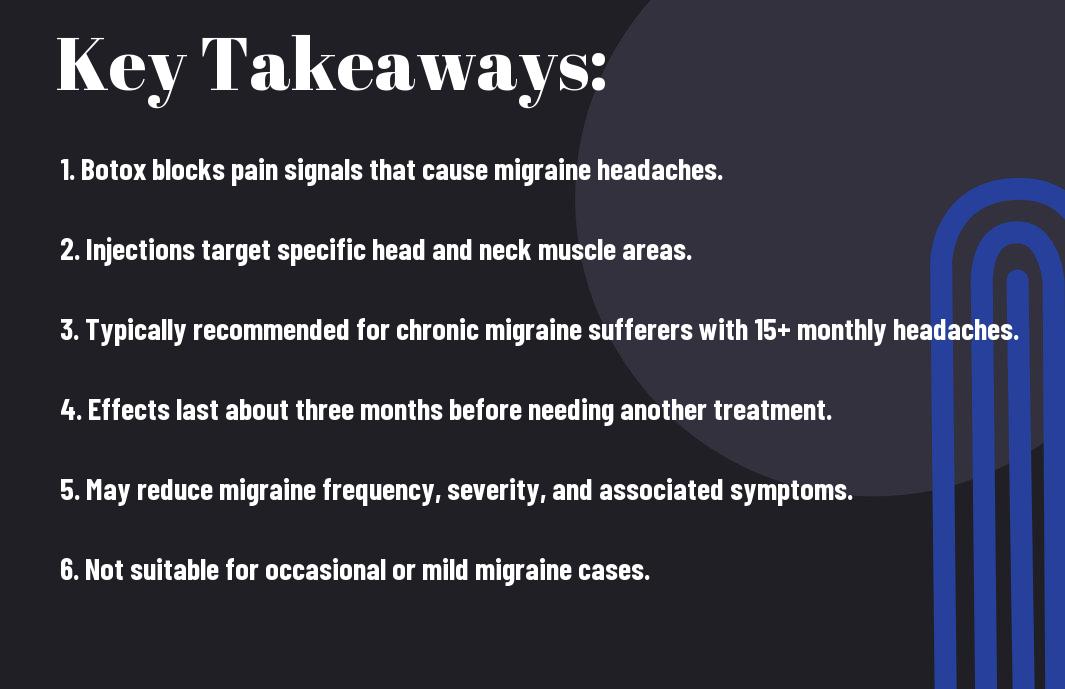
| Chronic Migraine | Occurs 15 or more days a month, lasting more than four hours. |
| Hemiplegic Migraine | Rare type causing temporary paralysis or weakness on one side of the body. |
| Basilar-Type Migraine | Accompanied by symptoms like dizziness and visual loss, affecting balance. |
Types of migraines can vary significantly in their symptoms and severity.
- Identifying your specific migraine type can help tailor your treatment.
- Symptoms can range from mild to debilitating, affecting your quality of life.
- Triggers may include stress, certain foods, hormonal changes, and lack of sleep.
- Awareness of your triggers can aid in prevention.
- Discuss with your healthcare provider for your personalized management plan.
This understanding can empower you to take control of your health and seek appropriate treatment options.
Botox and Its Mechanism
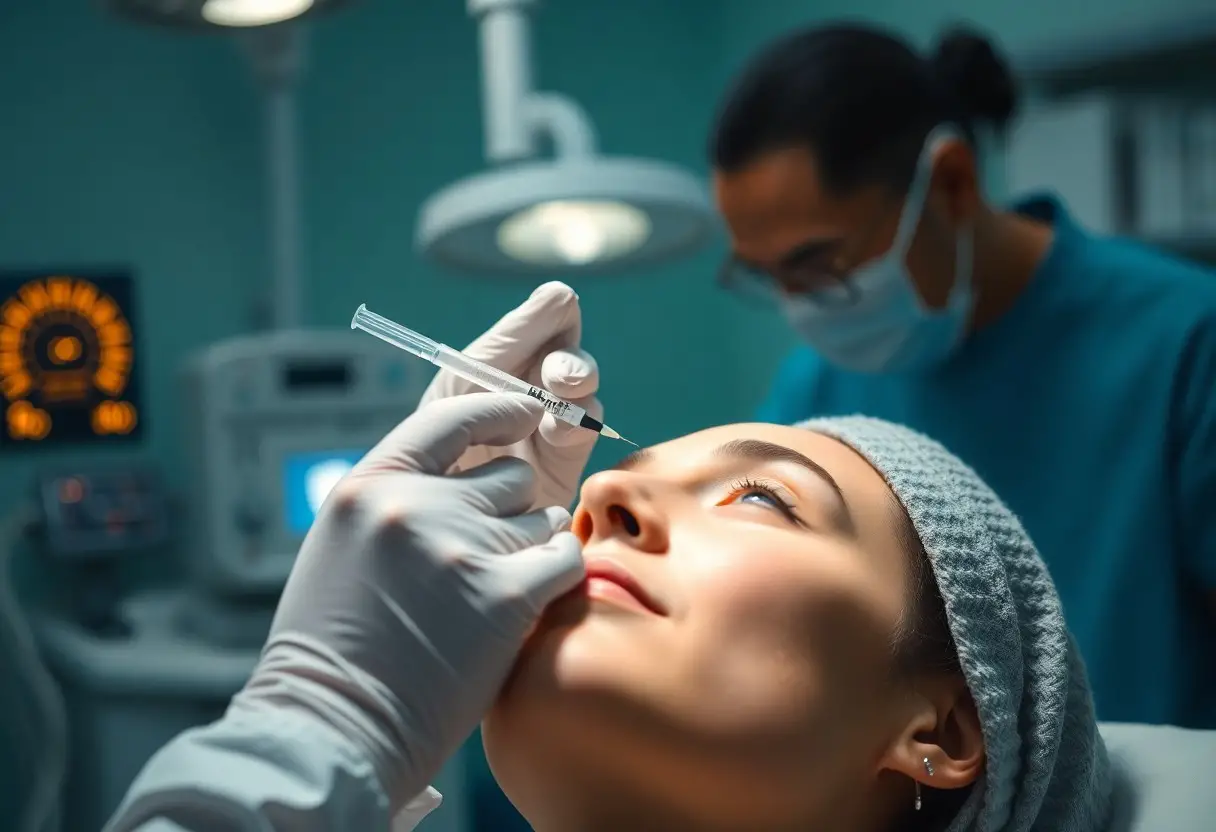
Some individuals may find relief from migraine headaches through the use of Botox, a treatment originally designed for cosmetic purposes. This neurotoxin works by inhibiting the release of certain chemicals in the nervous system that contribute to the sensation of pain. By targeting specific muscles, Botox can interrupt the cycle of chronic migraines, potentially reducing both the intensity and frequency of your episodes.
How Botox Works
Among the methods Botox employs, it primarily acts on nerve endings by blocking the transmission of pain signals. By injecting Botox into areas around the head and neck, the treatment can provide significant relief, allowing you to experience fewer migraines and improved quality of life. Typically administered in a series of injections, the results can last for several months.
The Science Behind Botox for Migraines
Between the release of neurotransmitters and the activation of pain pathways, Botox intervenes effectively. It temporarily paralyzes targeted muscles and alters pain signaling. Patients often report a notable decrease in migraine frequency post-treatment.
Plus, research has shown that through its action on two key proteins—CGRP and substance P—Botox not only reduces pain but also stabilizes the migraine triggers. This dual approach means that your body is less responsive to the factors that can lead to a migraine attack. With an increasing number of studies validating its effectiveness, understanding Botox’s role in migraine management can empower you to explore this therapeutic option confidently.
Who is a Candidate for Botox?
Keep in mind that Botox is primarily recommended for adults who suffer from chronic migraines, defined as experiencing headaches on 15 or more days each month. It’s important to consult with your healthcare provider to determine if Botox is the right option for you based on your individual medical history and migraine patterns.
Eligibility Criteria
With Botox’s increasing popularity as a migraine treatment, specific eligibility criteria have emerged. You may be a candidate for Botox if you meet these conditions: chronic migraines, previous unsuccessful treatments, and a thorough evaluation by your healthcare provider. This ensures the treatment aligns with your unique migraine profile.
Factors to Consider
Below are several factors to consider when evaluating Botox for migraines:
- Your age and overall health
- Frequency and intensity of your migraines
- Past treatments and their effectiveness
- Your comfort with injections and any fear or anxiety about the procedure
Recognizing these factors will help guide your decision-making process and discussions with your healthcare provider.
Factors such as your migraine history and response to previous therapies play a significant role in determining your suitability for Botox treatment. Each individual’s experience with migraines can greatly vary, necessitating a tailored approach to treatment. Taking into account the following may help in assessing your candidacy:
- Your lifestyle and how it may impact migraine occurrences
- Potential side effects of Botox in relation to your health
- Your expectations and goals for migraine management
- Any contraindications or allergies to Botox or similar products
Recognizing these factors will ensure that you make an informed choice about seeking Botox for your migraines.
The Treatment Process
Not all migraine treatments work the same way for everyone, and the Botox treatment process is no exception. Initially, a thorough evaluation by your healthcare provider will determine if Botox is suitable for your migraine condition. This may include discussing your medical history, frequency, and intensity of your migraines, ensuring a tailored approach that caters to your specific needs.
Administration of Botox
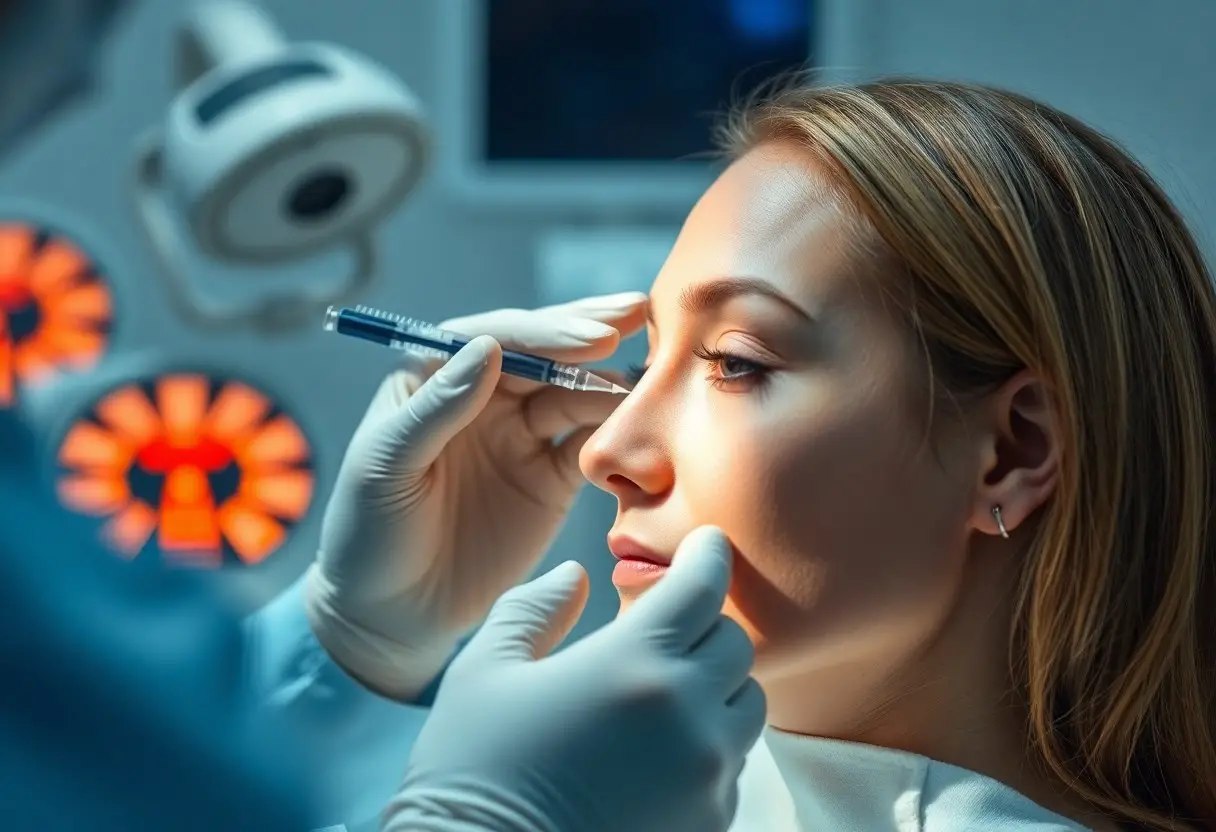
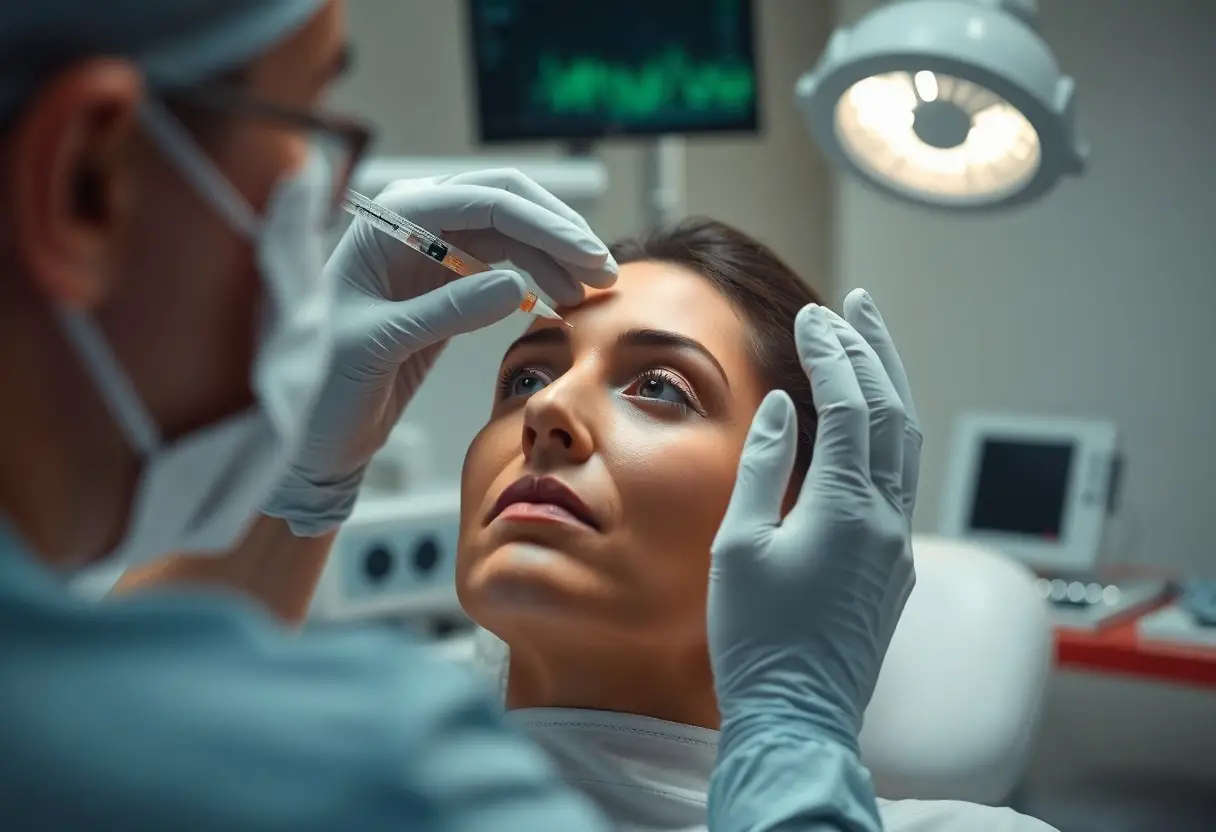
The administration of Botox involves a series of small injections primarily around the forehead, temples, and the back of your head and neck. A trained healthcare professional will perform this procedure, typically taking less than 30 minutes. Most patients report minimal discomfort, and there is usually no downtime required, allowing you to resume your daily activities quickly.
Frequency and Duration of Treatment
For optimal results, Botox treatments for migraines are generally recommended every 12 weeks. After your initial treatment, you can expect to notice a reduction in the frequency and intensity of your migraines over several weeks. Your healthcare professional will monitor your progress and adjust the treatment schedule as needed to ensure you achieve the best outcome.
A commitment to consistent treatment is imperative for managing your migraines effectively with Botox. Many patients find that their migraine episodes lessen or become more manageable after a few sessions. It’s important to have open communication with your healthcare provider, who may suggest adjustments based on how well you respond to the initial treatments. By adhering to the recommended schedule, you can experience significant relief and improve your quality of life.
Potential Benefits of Botox for Migraines
Despite its primary reputation for cosmetic use, Botox offers significant benefits for those suffering from chronic migraines. Patients often report a marked reduction in the frequency and severity of migraine attacks, allowing them to reclaim their daily activities without the debilitating interruptions of pain. By targeting specific muscle groups associated with migraines, Botox provides a new avenue for relief when traditional medications fail.
Pain Reduction
An effective treatment, Botox can lead to substantial pain reduction for many migraine sufferers. By administering Botox to key areas in and around the head and neck, you may experience fewer migraine days, allowing you to enjoy a more manageable and predictable lifestyle.
Improvement in Quality of Life
Improvement in your overall quality of life can be a remarkable benefit of Botox treatment. As the severity and frequency of your migraines decrease, you may find that your energy levels increase and your ability to engage in daily activities improves significantly.
Indeed, once you begin to experience fewer migraines, you’ll likely notice positive changes beyond just pain management. Activities you once avoided due to fear of an impending migraine can become more accessible, leading to enhanced productivity at work and increased enjoyment in social settings. Over time, you may discover that your mental health improves as well, reducing anxiety and promoting a greater sense of well-being as you liberate yourself from the constraints of chronic migraine pain.
Risks and Side Effects
Now that you’ve learned about how Botox can help with migraines, it’s important to understand the potential risks and side effects associated with the treatment. While many patients experience significant relief, individual reactions to Botox may vary. Being informed can help you weigh the benefits against any potential downsides before making a decision.
Common Side Effects
Common side effects of Botox for migraines may include mild symptoms such as bruising, swelling, or redness at the injection sites. You might also experience headaches or flu-like symptoms shortly after the treatment. These effects are generally temporary and should resolve within a few days without the need for intervention.
Serious Risks
Any medical procedure comes with inherent risks, and Botox is no exception. Serious risks can occur, though they are rare. You should be aware of warning signs and reach out to your healthcare provider if you experience anything unusual post-treatment.
Side effects that indicate serious risks include difficulty breathing or swallowing, muscle weakness, or vision changes. If you notice persistent or worsening symptoms following your Botox injection, it’s important to contact your healthcare professional immediately. These serious reactions, while uncommon, can have significant implications, so staying vigilant is crucial for your safety after receiving treatment.
To wrap up
Conclusively, Botox can be an effective treatment for migraines, providing relief for those who suffer from chronic headaches. By blocking the release of certain neurotransmitters, Botox helps ease the frequency and severity of your migraine attacks. It is designed for individuals who experience migraines 15 days or more per month and may offer a welcome alternative if traditional treatments haven’t worked for you. Always consult with your healthcare provider to determine if Botox is a suitable option for your unique situation.