
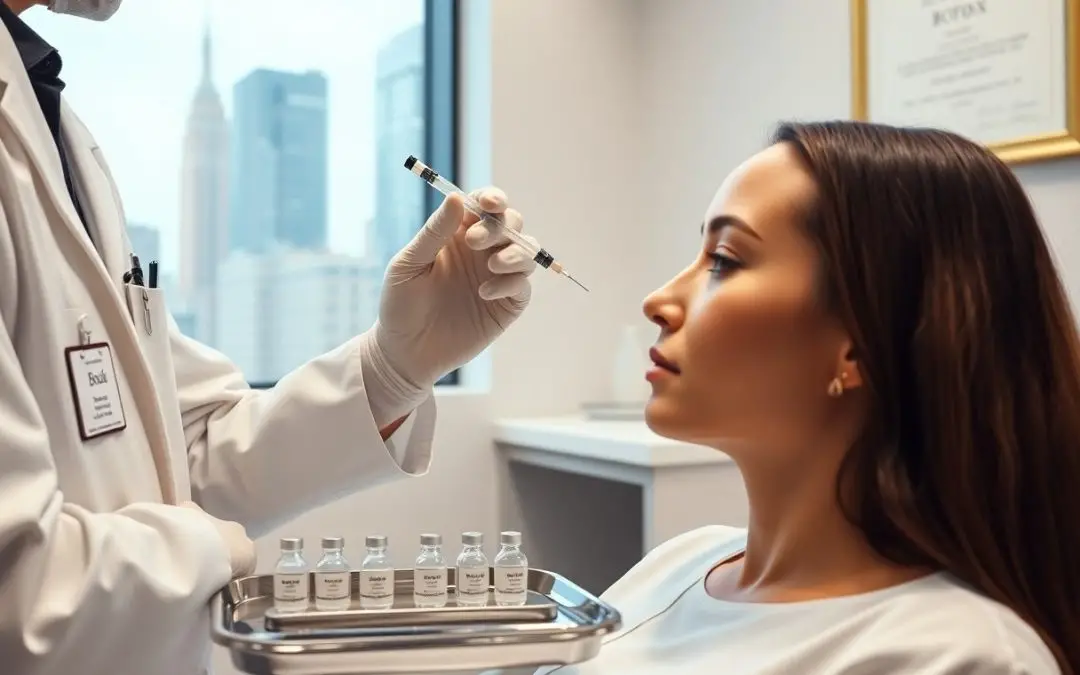
Botox treatments in New York require an experienced injector to achieve natural results and reduce complications, so you should check credentials, patient reviews, consultation thoroughness, and tailored dosing before committing.
The New York Aesthetic Landscape
Today you face a dense field of clinics and injectors across the city, so selecting an experienced provider affects both safety and aesthetic outcome; prioritize verified credentials, documented results, and consultation depth before booking.
Navigating a Saturated Cosmetic Market
Many practices advertise Botox; you should evaluate patient reviews, before-and-after photos, and whether the injector conducts the consultation and injection personally.
State Regulations and Licensing Requirements
Local law defines who may legally administer Botox, so you must confirm the clinician’s license type and scope of practice before treatment.
Check state licensing records for MD, DO, NP, PA, or RN credentials and ask how supervision or delegation is handled; New York permits nonphysician injectors under defined scope, so you should verify training in facial anatomy, emergency protocols, product sourcing, and malpractice coverage. Also ask to see consent forms, complication policies, and whether the injector performs the procedure personally rather than assigning it to unqualified staff.
The Science of Precision: Why Expertise Counts
You benefit from an injector who pairs detailed anatomical knowledge with precise technique to reduce complications and preserve natural movement.
Understanding Complex Facial Anatomy
Anatomy varies widely, so you need an injector who identifies muscle vectors, vascular paths, and nerve locations to avoid asymmetry and maintain expression.
Neuromodulator Dosages and Placement Accuracy
Dosage and microplacement directly affect your results; tailored units and exact targeting prevent unwanted spread, droop, or a frozen look.
When planning treatment, your injector evaluates muscle strength, prior responses, and facial dynamics to set unit counts, dilution, depth, and spacing; you should receive a conservative initial dose with clear follow-up, allowing targeted touch-ups and rapid management of any side effects for safer, more natural outcomes.
Risks Associated with Unqualified Injectors
Unqualified injectors increase your risk of poor results, asymmetry, infection, and prolonged recovery, leaving you to pursue corrective procedures.
Identifying Potential Complications and Side Effects
You may notice uneven contours, drooping eyelids, vision changes, or persistent pain after poor injections; these signs signal immediate attention is needed.
The Physical and Financial Cost of Corrective Work
Corrective procedures can involve repeated injections, surgical revisions, scarring, and unexpected expenses that force you to pay beyond initial treatment costs.
Repairing complications can require surgical revision, dissolving agents, specialist consultations, and prolonged follow-up; you may endure extended downtime, higher medical bills, and emotional distress while insurers typically exclude cosmetic corrections, making the overall burden both physical and financial.
Defining the Elite NYC Injector
Your elite NYC injector combines medical expertise, aesthetic judgment, and meticulous technique to deliver safe, natural Botox results tailored to your face.
Essential Board Certifications and Credentials
Board-certified credentials and fellowship training show that your injector has advanced medical knowledge, procedural experience, and adherence to safety standards.
The Role of Artistic Vision in Natural Results
Artistic judgment guides how your injector balances expression and symmetry, producing subtle Botox outcomes that still look like you.
Aesthetic sensibility means your injector evaluates facial vectors, muscle movement, and proportions before administering Botox, selecting doses and injection points that preserve natural expression; you benefit when they test subtle units, reassess, and adjust plans across follow-up visits so results stay balanced with your features and lifestyle.
The Consultation Process
During your consultation, you and the injector review medical history, discuss aesthetic goals, and assess facial anatomy so they can recommend precise dosing, injection sites, and aftercare expectations.
Developing a Custom Treatment Strategy
Your injector outlines a personalized plan considering muscle strength, symmetry, lifestyle, and timeline, explaining session frequency and expected results so you can make an informed decision.
Recognizing Red Flags in a Clinical Setting
Watch for pressure to purchase add-ons, vague consent forms, unclear credentials, or a cluttered, non-sterile workspace-these signs should prompt you to pause and reassess the provider.
If you notice inconsistent answers about complications, visible lapses in sterile technique, or staff dismissing your concerns, leave and consult a board-certified injector to protect your safety and outcome.
Prioritizing Patient Safety and Product Integrity
Before your appointment, you should confirm your injector is licensed, that Botox is stored per manufacturer guidelines, and that vial tracking is available to protect safety and efficacy.
Verifying the Authenticity of Botox Cosmetic
Ask to see batch numbers, manufacturer labels, and procurement records; you should expect providers to source Botox directly from authorized distributors to guarantee authenticity.
Standards for Sterile Environments and Aftercare
Ensure you receive treatment in a clean, private room with sterile single-use needles and written aftercare instructions outlining infection signs and follow-up steps.
You should be guided through post-treatment care, including gentle cleansing, avoiding strenuous exercise and facial massage for 24-48 hours, and clear criteria for contacting the clinic; protocols also cover instrument sterilization, staff vaccination, and documented cleaning logs to reduce risk and speed recovery.
To wrap up
As a reminder you should select a licensed, experienced injector in New York for Botox to achieve safe, natural results; verify certifications, discuss medical history and dosing, and view before-and-after photos so you can make an informed choice and reduce complication risk.