
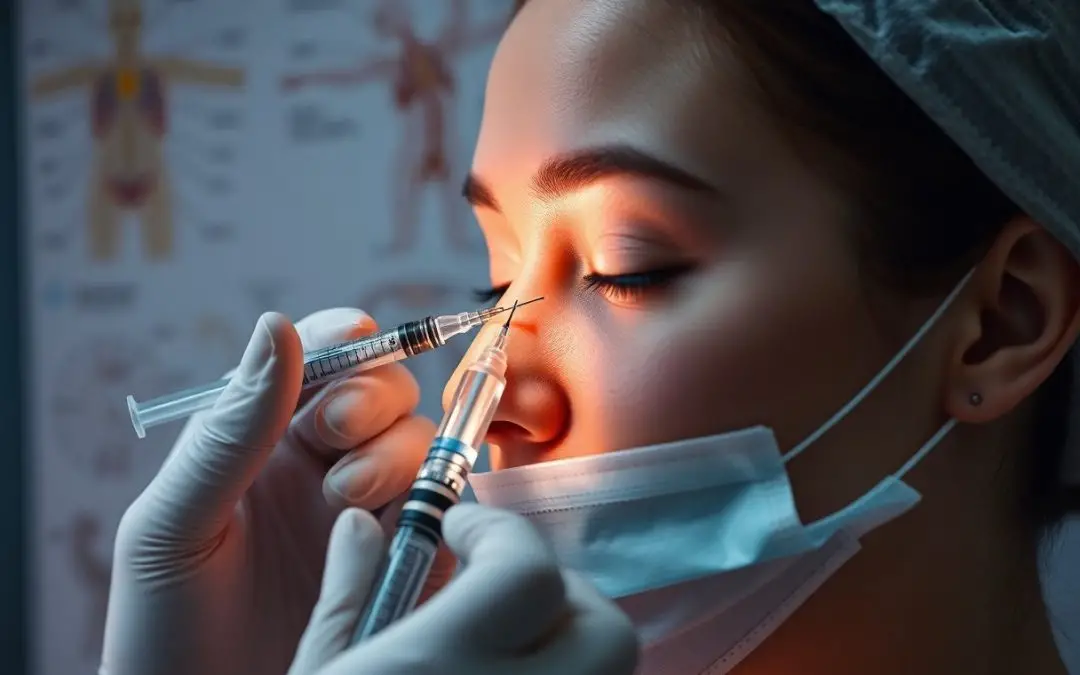
With the rising popularity of Botox, you may be curious about its mechanisms and therapeutic potential. This blog post unveils how Botox works by blocking nerve signals, providing both cosmetic enhancements and various medical benefits. By understanding its interaction with your nerve pathways, you can better appreciate the versatility of this treatment and its applications beyond just aesthetics. Join us as we explore the science behind Botox and its role in promoting wellness.
Understanding Botox
A Botox treatment involves a purified protein derived from the bacterium Clostridium botulinum. Commonly known for its cosmetic enhancements, Botox effectively diminishes the appearance of wrinkles by temporarily paralyzing the muscles responsible for facial expressions. Furthermore, its medical applications address various conditions, ranging from chronic migraines to excessive sweating, showcasing its versatility. Understanding how Botox functions can enhance your knowledge of both its cosmetic and therapeutic benefits.
History and Development
Around the 1970s, researchers began exploring the neurotoxic properties of botulinum toxin, originally used to treat eye disorders. In the 1980s, it transitioned into cosmetic treatments, gaining FDA approval in the mid-2000s. Over the years, its applications expanded into various medical fields, making Botox a prominent fixture in both aesthetic and therapeutic practices.
Mechanism of Action
Beside its well-known cosmetic effects, Botox operates by disrupting the communication between nerves and muscles. When injected, it blocks the release of acetylcholine, a neurotransmitter responsible for muscle contraction. This leads to temporarily reduced muscle activity, alleviating wrinkles and other conditions.
In addition to cosmetic uses, the mechanism of action provides insights into how Botox can alleviate chronic conditions. By inhibiting nerve signals, it reduces muscle contractions associated with migraines and spastic movements. This interaction with nerve signals highlights its therapeutic potential, allowing you to consider Botox as a multifaceted solution for various ailments, extending beyond merely aesthetic improvements.
The Science of Nerve Signals
One of the fundamental elements of human physiology is the system of nerve signals, which orchestrate communication between neurons and muscles. These signals are responsible for a wide range of bodily functions, from muscle movement to sensory perception. Understanding how these signals operate can provide insight into how treatments like Botox affect your neuromuscular interactions, ultimately resulting in therapeutic benefits.
Neuromuscular Junctions
Science shows that neuromuscular junctions are the sites where nerve cells connect with muscle fibers, enabling muscle contraction. When a nerve signal reaches the junction, it triggers the release of neurotransmitters, like acetylcholine, which bind to receptors on the muscle cells, initiating muscle contraction. This precise communication is vital for voluntary muscle movement, making it a focal point for therapeutic interventions such as Botox.
Signal Transmission and Modulation
Between the generation of a nerve signal and its execution lies the intricate process of signal transmission and modulation. This involves various neurotransmitters and receptors that fine-tune the message sent from nerves to muscles. Factors like the strength of the signal and the presence of inhibitory or excitatory influences can alter how effectively a muscle responds to nerve impulses.
Understanding how signal transmission and modulation occur is vital for comprehending the full potential of Botox therapy. By blocking the release of certain neurotransmitters at neuromuscular junctions, Botox effectively reduces muscle contractions, leading to a smoothing out of wrinkles or relief from conditions such as chronic migraines. This modulation of nerve signals showcases the interplay between biology and therapeutic applications, allowing you to grasp both the benefits and mechanisms behind treatments that may enhance your quality of life.
Therapeutic Uses of Botox
Assuming you’re curious about the diverse applications of Botox, it’s crucial to recognize its therapeutic benefits beyond cosmetic enhancement. This powerful neurotoxin is utilized in various medical treatments, addressing conditions ranging from chronic migraines to muscle spasms, ultimately improving your quality of life.
Medical Applications
Among the notable medical applications of Botox are the management of chronic migraines, cervical dystonia, and excessive sweating, also known as hyperhidrosis. By blocking nerve signals, Botox disrupts the transmission of pain, providing relief for those who suffer from these debilitating conditions.
Aesthetic Applications
Among the aesthetic applications of Botox, its ability to reduce the appearance of wrinkles is perhaps the most well-known. By temporarily paralyzing specific facial muscles, Botox smoothens the skin, creating a youthful and refreshed look that many individuals seek.
Due to its ability to inhibit muscle contraction, Botox is frequently used in cosmetic procedures to treat frown lines, crow’s feet, and forehead lines. This quick and minimally invasive treatment provides you with immediate results, with effects lasting several months. Many people find that regular Botox treatments help maintain a more youthful appearance and contribute to their overall self-esteem, making it a popular choice in aesthetic medicine.
Safety and Side Effects
Keep in mind that while Botox is widely considered safe for therapeutic and cosmetic use, you should always discuss your individual health history with your provider. Understanding the potential for side effects is crucial to making an informed decision.
Common Reactions
Side effects of Botox treatment can include mild swelling, bruising, or redness at the injection site. These reactions are generally temporary and should subside within a few days.
Risks and Considerations
Along with common reactions, you should be aware of more serious risks, including allergic reactions or unintended effects if the Botox spreads beyond the intended area.
Further considerations include the importance of choosing an experienced injector to minimize risks. You should also disclose any medications you are taking, as some can interact negatively with Botox. Conditions such as neuromuscular disorders may amplify risks, so it’s vital to approach this treatment with a thorough understanding and careful preparation.
Comparing Botox with Other Treatments
Despite the popularity of Botox, it’s important to compare its effectiveness and applications with other treatments available for similar conditions. Each option has distinct mechanisms, benefits, and drawbacks. The following table outlines key differences between Botox and these alternatives:
| Treatment | Description |
|---|---|
| Botox | Neurotoxin that relaxes muscles to reduce wrinkles and manage pain |
| Dermal Fillers | Add volume to facial areas for a fuller appearance |
| Facial Peels | Exfoliate skin to improve texture and tone |
| Laser Treatments | Utilize light energy to rejuvenate skin |
Alternatives to Botulinum Toxin
With various alternatives to Botox available, it’s important to explore options that may suit your needs better. Treatments like dermal fillers, facial peels, and laser therapies offer different approaches to aesthetic and therapeutic concerns. Each method comes with its benefits; so understanding what they offer can help you make informed decisions regarding your treatment plan.
Effectiveness and Outcomes
Around the world, Botox is renowned for its effectiveness, yet its outcomes may vary based on individual needs and conditions. While some people see immediate results, others may find alternatives like laser treatments deliver more impactful benefits depending on skin type and specific goals.
At your consultation, you will have the opportunity to discuss tailored treatment options. Evaluating your skin type, desired outcomes, and medical history will help determine the most effective choice. Although Botox often stands out for immediate wrinkle reduction, alternative treatments may provide longer-lasting rejuvenation, making them favorable for certain individuals depending on their unique circumstances and desires.
Patient Experience and Expectations
After your Botox treatment, you can expect a journey that combines both excitement and curiosity. Many patients report feeling anxious yet hopeful as they anticipate the results. Understanding the treatment process and what to expect can help alleviate any concerns and enhance your overall experience, ensuring you feel confident in your decision to seek the therapeutic benefits of Botox.
Treatment Process
Below, the treatment process typically begins with a consultation where your provider discusses your goals and evaluates your medical history. During the procedure, you will receive small injections in targeted areas. The session is usually quick, lasting no more than 30 minutes, and you can return to your daily activities shortly after.
Anticipated Results
Along with the immediate results, many patients notice gradual improvements in their condition within a few days. The effects of Botox can last several months, allowing you to enjoy smoother skin or reduced muscle spasms over time. Keeping realistic expectations will enhance your overall satisfaction with the treatment.
Another key point to note is that individual results vary. Factors such as your specific condition, the area treated, and personal body response all contribute to how well Botox works for you. Many patients find that discussing their goals and experiences with their provider helps set realistic timelines for when to expect optimal results, ensuring a more satisfying treatment experience.
Conclusion
Considering all points, you can now appreciate how Botox interacts with nerve signals to provide therapeutic benefits beyond cosmetic enhancements. By blocking specific nerve impulses, it effectively alleviates muscle tension and associated discomfort. This understanding empowers you to make informed decisions about using Botox for therapeutic purposes, whether for chronic migraines, muscle stiffness, or other conditions. Embracing this knowledge allows you to explore the full potential of Botox as a viable option for improving your quality of life.